
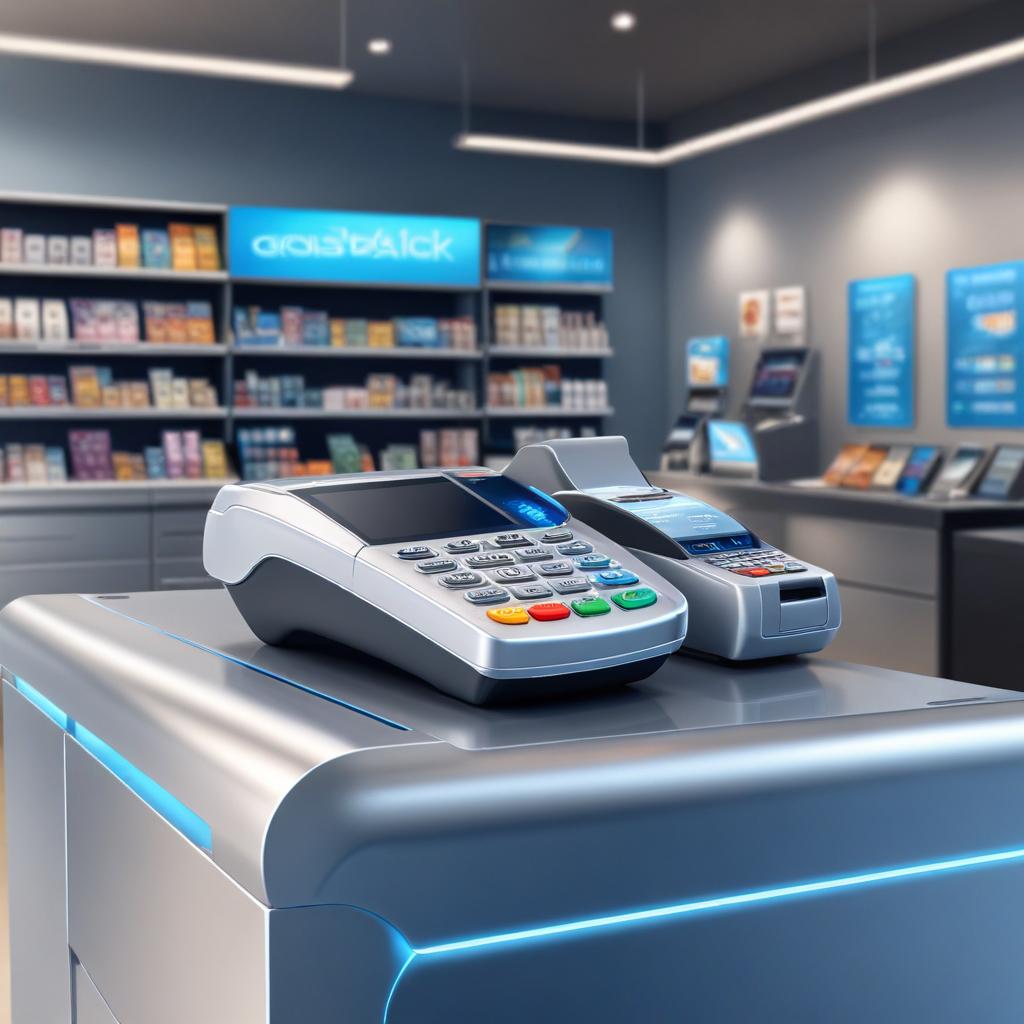
Cashback bonuses create a psychological nudge; consumers feel incentivized to continue shopping with a brand to maximize their rewards, often spending beyond their initial intent. This method effectively converts casual buyers into loyal customers, as the ongoing possibility of earning cashback establishes a connection between spending and gain. The approach aligns perfectly with consumer incentives, making customers more likely to choose businesses offering these bonuses over competitors.
From a marketing perspective, cashback is an efficient way to differentiate products and services, fostering customer engagement and satisfaction. It enables companies to collect valuable data about consumer behavior, which can further refine bonus strategies and target promotions tailored to specific audiences. Overall, cashback bonuses serve as powerful tools in the marketing arsenal, blending financial perks with strategic behavioral insights to boost sales and brand loyalty.
Tips for Maximizing Genuine Cashback Value
To maximize cashback effectively, consumers need to be vigilant and discerning. First, scrutinize the terms and conditions of cashback offers. Genuine cashback deals clearly outline the qualifying purchases, payout schedules, and any caps on rewards. Be wary of offers that sound too good to be true, as these often serve as marketing gimmicks designed to attract initial attention without delivering substantial value.
Next, focus on smart cashback use by targeting offers from reputable sources and businesses with transparent policies. Avoid stacking multiple cashback incentives that might have conflicting restrictions, reducing the actual benefit. Utilize cashback programs on regular spending rather than impulse buying, ensuring the rewards add real value to your usual expenses.
Another consumer tip is to check reviews and feedback from other customers regarding the cashback process. Genuine programs often have a track record of timely payments and straightforward redemption options. Stay alert to any hidden fees or requirements that might eat into your returns.
Finally, regularly monitor your cashback balances and deadlines to redeem rewards before they expire. By adopting these practical strategies, you can maximize cashback benefits while steering clear of marketing traps that promise more than they deliver, ensuring a smarter and more rewarding cashback experience.
Moreover, cashback bonuses can encourage smarter spending habits. Knowing that a certain percentage of money spent will come back incentivizes consumers to make purchases through cashback-earning platforms or credit cards. This not only maximizes financial gains but also introduces a level of consciousness about spending choices. For many, this promotes a balanced approach to expenses where indulgences are offset by the financial advantages of cashback earnings.
From a broader perspective, cashback bonuses support a financial safety net through their compounding effect. As rewards accumulate over time, they create a reserve that can be used for future purchases or emergencies. This reserve acts similarly to a small savings fund that grows passively without extra effort, serving as an emergency buffer that strengthens personal financial stability. Thus, cashback programs are useful not just for immediate gratification but also for long-term financial wellness.
In conclusion, cashback bonuses offer tangible financial advantages that transform ordinary spending into an opportunity for savings and financial security. By acting as a safety net, these bonuses help consumers reclaim part of their spending, improve money management, and nurture smarter purchasing decisions. This blend of benefits positions cashback not just as a marketing gimmick but as a valuable financial resource for consumers seeking both immediate and future rewards.
Financial Benefits of Cashback Bonuses
Cashback bonuses offer significant financial benefits by allowing consumers to save money on their everyday purchases. By earning a percentage of money back on transactions, users can accumulate cashback savings over time that effectively reduce their overall spending. This advantage can turn routine expenses into opportunities for accumulating extra funds, making cashback programs a valuable tool for savvy shoppers.
Moreover, cashback bonuses contribute to better budgeting by providing a clearer picture of actual spending. When consumers receive money back from purchases, it becomes easier to track the net cost of goods and services. This not only helps in managing household or personal budgets more effectively but also encourages mindful spending habits as people become more aware of the potential financial advantages tied to their purchasing decisions.
Another financial benefit of cashback bonuses is their role as a safety net for unexpected expenses. The money earned through cashback can be reserved or allocated to cover emergency costs, providing a backup fund that eases financial stress during unforeseen situations. Thus, cashback programs do more than just offer money-saving perks; they also offer a strategic way to build a financial cushion that enhances overall financial security and stability.
Potential Limits as a Safety Net
While cashback bonuses are often marketed as a smart safety net for players, there are notable cashback limits and bonus restrictions that can reduce their overall effectiveness. Many cashback offers are subject to caps on the amount you can receive back, meaning even if you experience significant losses, you may only recover a fraction of that through cashback. These limits serve as a financial safeguard for the operators, but they also restrict the potential benefits for users.
Additionally, fine print details frequently outline conditions under which cashback can be claimed or used. For example, some bonuses might require players to meet wagering requirements before withdrawing cashback funds, effectively delaying or limiting access. Others may exclude certain games from contributing to these requirements, which can further diminish the perceived value. Such bonus restrictions ensure that cashback is not an unconditional refund but rather a marketing tool with strings attached.
Furthermore, the timing and frequency of cashback payments can be limited, only available at specific intervals or after certain periods, which might not align with a user’s actual playing patterns. These drawbacks make it important for players to carefully review the terms and conditions to understand the real extent of the safety net cashback provides. Ultimately, while cashback can soften financial blows, these common limits and restrictions mean it may not always be the reliable safety net it appears to be at first glance.
Cashback Bonuses: Marketing Trick or Genuine Value?
Cashback bonuses have become a common feature in the landscape of promotional strategies, sparking debate about whether they deliver genuine value or serve primarily as marketing tactics. At their core, cashback offers appear attractive—they promise consumers a fraction of their spending back, which seemingly motivates continued engagement with a brand or service. However, the true measure of their worth depends on the underlying intent and practical benefits realized by the consumer.
From a marketing perspective, cashback bonuses function as powerful tools to attract and retain customers. They create a sense of reward and immediate gratification that influences purchasing behavior. By incorporating cashback motivation into their promotional strategies, companies effectively increase sales volume and foster brand loyalty. These incentives also help businesses stand out in crowded markets where consumers weigh multiple options before committing their budget.
Nevertheless, not all cashback bonuses are created equal. Some are structured with stringent terms, high minimum spending requirements, or delayed payouts, which can dilute their value. When viewed this way, cashback offers may seem more like clever marketing tricks designed to mask the reality of limited financial benefit. Consumers may be enticed by the promise but end up with marginal returns that do little to offset their expenses.
On the flip side, genuine cashback bonuses can act as a smart financial safety net. For savvy users who understand the fine print and use offers strategically, cashback can meaningfully reduce costs over time. For these consumers, cashback rewards provide a real incentive that complements broader savings strategies, turning promotional tactics into tangible value. The key lies in transparency and fairness—promotions that clearly outline benefits and realistic conditions help build trust and ensure cashback bonuses meet consumer expectations.
In sum, cashback bonuses straddle the line between marketing tactics and genuine consumer value. While they are undeniably deployed as tools to drive customer behavior, their effectiveness as a real benefit depends on how well companies balance motivation with fairness. Consumers who critically assess the terms and align their spending with suitable offers can transform cashback promotions into meaningful savings, turning what might appear as marketing gimmicks into a smart financial decision.
Marketing Strategies Behind Cashback Bonuses
Companies use cashback bonuses as clever marketing tricks to attract and retain customers by appealing to behavioral incentives. These bonus strategies not only lure consumers with the promise of financial returns but also encourage increased spending by providing a perceived value that feels like a reward for purchases made. This tactic plays on consumers’ natural desire to get something back, which in turn drives more frequent and higher-value transactions.
Cashback bonuses create a psychological nudge; consumers feel incentivized to continue shopping with a brand to maximize their rewards, often spending beyond their initial intent. This method effectively converts casual buyers into loyal customers, as the ongoing possibility of earning cashback establishes a connection between spending and gain. The approach aligns perfectly with consumer incentives, making customers more likely to choose businesses offering these bonuses over competitors.
From a marketing perspective, cashback is an efficient way to differentiate products and services, fostering customer engagement and satisfaction. It enables companies to collect valuable data about consumer behavior, which can further refine bonus strategies and target promotions tailored to specific audiences. Overall, cashback bonuses serve as powerful tools in the marketing arsenal, blending financial perks with strategic behavioral insights to boost sales and brand loyalty.
Tips for Maximizing Genuine Cashback Value
To maximize cashback effectively, consumers need to be vigilant and discerning. First, scrutinize the terms and conditions of cashback offers. Genuine cashback deals clearly outline the qualifying purchases, payout schedules, and any caps on rewards. Be wary of offers that sound too good to be true, as these often serve as marketing gimmicks designed to attract initial attention without delivering substantial value.
Next, focus on smart cashback use by targeting offers from reputable sources and businesses with transparent policies. Avoid stacking multiple cashback incentives that might have conflicting restrictions, reducing the actual benefit. Utilize cashback programs on regular spending rather than impulse buying, ensuring the rewards add real value to your usual expenses.
Another consumer tip is to check reviews and feedback from other customers regarding the cashback process. Genuine programs often have a track record of timely payments and straightforward redemption options. Stay alert to any hidden fees or requirements that might eat into your returns.
Finally, regularly monitor your cashback balances and deadlines to redeem rewards before they expire. By adopting these practical strategies, you can maximize cashback benefits while steering clear of marketing traps that promise more than they deliver, ensuring a smarter and more rewarding cashback experience.
Moreover, cashback bonuses can encourage smarter spending habits. Knowing that a certain percentage of money spent will come back incentivizes consumers to make purchases through cashback-earning platforms or credit cards. This not only maximizes financial gains but also introduces a level of consciousness about spending choices. For many, this promotes a balanced approach to expenses where indulgences are offset by the financial advantages of cashback earnings.
From a broader perspective, cashback bonuses support a financial safety net through their compounding effect. As rewards accumulate over time, they create a reserve that can be used for future purchases or emergencies. This reserve acts similarly to a small savings fund that grows passively without extra effort, serving as an emergency buffer that strengthens personal financial stability. Thus, cashback programs are useful not just for immediate gratification but also for long-term financial wellness.
In conclusion, cashback bonuses offer tangible financial advantages that transform ordinary spending into an opportunity for savings and financial security. By acting as a safety net, these bonuses help consumers reclaim part of their spending, improve money management, and nurture smarter purchasing decisions. This blend of benefits positions cashback not just as a marketing gimmick but as a valuable financial resource for consumers seeking both immediate and future rewards.
Financial Benefits of Cashback Bonuses
Cashback bonuses offer significant financial benefits by allowing consumers to save money on their everyday purchases. By earning a percentage of money back on transactions, users can accumulate cashback savings over time that effectively reduce their overall spending. This advantage can turn routine expenses into opportunities for accumulating extra funds, making cashback programs a valuable tool for savvy shoppers.
Moreover, cashback bonuses contribute to better budgeting by providing a clearer picture of actual spending. When consumers receive money back from purchases, it becomes easier to track the net cost of goods and services. This not only helps in managing household or personal budgets more effectively but also encourages mindful spending habits as people become more aware of the potential financial advantages tied to their purchasing decisions.
Another financial benefit of cashback bonuses is their role as a safety net for unexpected expenses. The money earned through cashback can be reserved or allocated to cover emergency costs, providing a backup fund that eases financial stress during unforeseen situations. Thus, cashback programs do more than just offer money-saving perks; they also offer a strategic way to build a financial cushion that enhances overall financial security and stability.
Potential Limits as a Safety Net
While cashback bonuses are often marketed as a smart safety net for players, there are notable cashback limits and bonus restrictions that can reduce their overall effectiveness. Many cashback offers are subject to caps on the amount you can receive back, meaning even if you experience significant losses, you may only recover a fraction of that through cashback. These limits serve as a financial safeguard for the operators, but they also restrict the potential benefits for users.
Additionally, fine print details frequently outline conditions under which cashback can be claimed or used. For example, some bonuses might require players to meet wagering requirements before withdrawing cashback funds, effectively delaying or limiting access. Others may exclude certain games from contributing to these requirements, which can further diminish the perceived value. Such bonus restrictions ensure that cashback is not an unconditional refund but rather a marketing tool with strings attached.
Furthermore, the timing and frequency of cashback payments can be limited, only available at specific intervals or after certain periods, which might not align with a user’s actual playing patterns. These drawbacks make it important for players to carefully review the terms and conditions to understand the real extent of the safety net cashback provides. Ultimately, while cashback can soften financial blows, these common limits and restrictions mean it may not always be the reliable safety net it appears to be at first glance.
Cashback Bonuses: Marketing Trick or Genuine Value?
Cashback bonuses have become a common feature in the landscape of promotional strategies, sparking debate about whether they deliver genuine value or serve primarily as marketing tactics. At their core, cashback offers appear attractive—they promise consumers a fraction of their spending back, which seemingly motivates continued engagement with a brand or service. However, the true measure of their worth depends on the underlying intent and practical benefits realized by the consumer.
From a marketing perspective, cashback bonuses function as powerful tools to attract and retain customers. They create a sense of reward and immediate gratification that influences purchasing behavior. By incorporating cashback motivation into their promotional strategies, companies effectively increase sales volume and foster brand loyalty. These incentives also help businesses stand out in crowded markets where consumers weigh multiple options before committing their budget.
Nevertheless, not all cashback bonuses are created equal. Some are structured with stringent terms, high minimum spending requirements, or delayed payouts, which can dilute their value. When viewed this way, cashback offers may seem more like clever marketing tricks designed to mask the reality of limited financial benefit. Consumers may be enticed by the promise but end up with marginal returns that do little to offset their expenses.
On the flip side, genuine cashback bonuses can act as a smart financial safety net. For savvy users who understand the fine print and use offers strategically, cashback can meaningfully reduce costs over time. For these consumers, cashback rewards provide a real incentive that complements broader savings strategies, turning promotional tactics into tangible value. The key lies in transparency and fairness—promotions that clearly outline benefits and realistic conditions help build trust and ensure cashback bonuses meet consumer expectations.
In sum, cashback bonuses straddle the line between marketing tactics and genuine consumer value. While they are undeniably deployed as tools to drive customer behavior, their effectiveness as a real benefit depends on how well companies balance motivation with fairness. Consumers who critically assess the terms and align their spending with suitable offers can transform cashback promotions into meaningful savings, turning what might appear as marketing gimmicks into a smart financial decision.
Marketing Strategies Behind Cashback Bonuses
Companies use cashback bonuses as clever marketing tricks to attract and retain customers by appealing to behavioral incentives. These bonus strategies not only lure consumers with the promise of financial returns but also encourage increased spending by providing a perceived value that feels like a reward for purchases made. This tactic plays on consumers’ natural desire to get something back, which in turn drives more frequent and higher-value transactions.
Cashback bonuses create a psychological nudge; consumers feel incentivized to continue shopping with a brand to maximize their rewards, often spending beyond their initial intent. This method effectively converts casual buyers into loyal customers, as the ongoing possibility of earning cashback establishes a connection between spending and gain. The approach aligns perfectly with consumer incentives, making customers more likely to choose businesses offering these bonuses over competitors.
From a marketing perspective, cashback is an efficient way to differentiate products and services, fostering customer engagement and satisfaction. It enables companies to collect valuable data about consumer behavior, which can further refine bonus strategies and target promotions tailored to specific audiences. Overall, cashback bonuses serve as powerful tools in the marketing arsenal, blending financial perks with strategic behavioral insights to boost sales and brand loyalty.
Tips for Maximizing Genuine Cashback Value
To maximize cashback effectively, consumers need to be vigilant and discerning. First, scrutinize the terms and conditions of cashback offers. Genuine cashback deals clearly outline the qualifying purchases, payout schedules, and any caps on rewards. Be wary of offers that sound too good to be true, as these often serve as marketing gimmicks designed to attract initial attention without delivering substantial value.
Next, focus on smart cashback use by targeting offers from reputable sources and businesses with transparent policies. Avoid stacking multiple cashback incentives that might have conflicting restrictions, reducing the actual benefit. Utilize cashback programs on regular spending rather than impulse buying, ensuring the rewards add real value to your usual expenses.
Another consumer tip is to check reviews and feedback from other customers regarding the cashback process. Genuine programs often have a track record of timely payments and straightforward redemption options. Stay alert to any hidden fees or requirements that might eat into your returns.
Finally, regularly monitor your cashback balances and deadlines to redeem rewards before they expire. By adopting these practical strategies, you can maximize cashback benefits while steering clear of marketing traps that promise more than they deliver, ensuring a smarter and more rewarding cashback experience.
Understanding Cashback Bonuses
Cashback bonuses are a popular incentive offered by many businesses, especially in the retail and online casino sectors. At its core, the concept of cashback bonuses is simple: consumers receive a percentage of the money they spend back as a reward. This money can usually be used for future purchases or withdrawn, depending on the terms set by the provider. Understanding the cashback meaning helps consumers make informed decisions about where and how to shop or play.
So, how cashback works is essentially a rebate system. When you make a purchase or play games qualifying for cashback, a specific percentage of your spending is credited back to your account. This percentage can vary widely, often ranging from 1% to as high as 20%, depending on the promotion or the company’s terms. The appeal lies in receiving something back for money already spent, effectively reducing the overall cost of purchases or losses.
Typically, cashback bonuses come with terms that users should carefully consider. Common conditions include minimum spending requirements before cashback can be redeemed, a cap on the maximum amount that can be earned, and expiration dates by which the cashback must be used. Additionally, some cashback programs specify that the cashback can only be used within the platform offering it and not withdrawn as cash. Being aware of these terms ensures that users fully benefit from cashback bonuses without surprises.
In the context of online casinos, cashback bonuses often work as a safety net, returning a percentage of net losses over a period, thus softening the blow of an unlucky streak. This unique aspect of cashback bonuses not only enhances player retention but also adds an element of security for casual players. However, it is important for players to read the specific conditions attached to each cashback offer to avoid misunderstanding.
Ultimately, cashback bonuses offer a blend of marketing appeal and practical rewards. By understanding the cashback meaning, how cashback works, and the typical terms involved, consumers can maximize their benefits and make smarter spending choices in various markets.
Types of Cashback Bonuses
Cashback bonuses come in a variety of forms, tailored to meet the needs of different industries and consumer behaviors. Understanding these types of cashback offers can help consumers make the most of their spending and optimize savings. In retail, cashback categories often revolve around specific purchase types or seasonal promotions. For example, shoppers might receive a fixed percentage back on groceries, clothing, or electronics, making certain shopping trips more rewarding.
Credit cards frequently offer bonus variations of cashback that are either flat-rate or tiered based on spending levels or categories. A common type is the flat cashback where cardholders earn a consistent percentage on all purchases. Alternatively, tiered cashback rewards provide higher percentages within select categories such as dining, travel, or fuel, encouraging users to channel their expenses strategically.
Online services and platforms have introduced digital cashback options that integrate seamlessly with users’ accounts. These may include instant cashback credited directly to digital wallets or accounts after transactions are completed. Some online retailers also offer cashback bonuses during special campaigns, enhancing the appeal of e-commerce purchases. Across all these platforms, recognizing the types of cashback and understanding cashback categories empowers consumers to utilize bonus variations in ways that best suit their spending habits.
How Cashback is Calculated
Cashback calculation typically involves applying a specific cashback percentage to the amount spent by the customer. This percentage varies depending on the provider or store, ranging from as low as 1% to as high as 10% or more in some promotional cases. The earning cashback is usually a fraction of the total purchase, allowing customers to get a portion of their money back as a reward for their spending.
However, it’s important to note that most cashback programs implement caps on the maximum cashback amount that can be earned within a certain period, such as daily, monthly, or annually. For example, even if the cashback percentage is appealing, a cap might limit the total cashback to $50 per month, preventing excessive payouts.
Exclusions also play a key role in cashback calculation. Certain categories, products, or services may be excluded from earning cashback. This includes gift cards, bill payments, or specific merchant categories. Some programs exclude promotional purchases or returns and exchanges, which could impact the final cashback amount received.
In summary, the cashback calculation is a function of the cashback percentage applied to a qualifying purchase amount, subject to caps and exclusions. Understanding these factors helps users maximize their earning cashback potential while avoiding disappointments related to overlooked rules or limits.
Are Cashback Bonuses a Smart Safety Net?
Cashback bonuses offer a unique financial advantage for consumers, serving as a built-in safety net that can soften the blow of spending. Unlike traditional discounts, cashback rewards return a portion of your expenditure, effectively reducing the overall cost of purchases. This refund mechanism is particularly beneficial in everyday spending, allowing consumers to regain a bit of their money with every transaction. It’s this recurring benefit that sets cashback bonuses apart as a strategic financial tool.
One key cashback benefit lies in its ability to provide consumers with an added layer of financial security. When spending money, the knowledge that a percentage will be returned helps mitigate feelings of loss, turning expenses into a form of saving. This effect can help consumers better manage their budgets, as the cashback functions much like a small reward for habitual spending, making it easier to handle unforeseen expenses. Over time, these incremental returns accumulate, potentially providing a substantial cushion that can be tapped in times of financial need.
Moreover, cashback bonuses can encourage smarter spending habits. Knowing that a certain percentage of money spent will come back incentivizes consumers to make purchases through cashback-earning platforms or credit cards. This not only maximizes financial gains but also introduces a level of consciousness about spending choices. For many, this promotes a balanced approach to expenses where indulgences are offset by the financial advantages of cashback earnings.
From a broader perspective, cashback bonuses support a financial safety net through their compounding effect. As rewards accumulate over time, they create a reserve that can be used for future purchases or emergencies. This reserve acts similarly to a small savings fund that grows passively without extra effort, serving as an emergency buffer that strengthens personal financial stability. Thus, cashback programs are useful not just for immediate gratification but also for long-term financial wellness.
In conclusion, cashback bonuses offer tangible financial advantages that transform ordinary spending into an opportunity for savings and financial security. By acting as a safety net, these bonuses help consumers reclaim part of their spending, improve money management, and nurture smarter purchasing decisions. This blend of benefits positions cashback not just as a marketing gimmick but as a valuable financial resource for consumers seeking both immediate and future rewards.
Financial Benefits of Cashback Bonuses
Cashback bonuses offer significant financial benefits by allowing consumers to save money on their everyday purchases. By earning a percentage of money back on transactions, users can accumulate cashback savings over time that effectively reduce their overall spending. This advantage can turn routine expenses into opportunities for accumulating extra funds, making cashback programs a valuable tool for savvy shoppers.
Moreover, cashback bonuses contribute to better budgeting by providing a clearer picture of actual spending. When consumers receive money back from purchases, it becomes easier to track the net cost of goods and services. This not only helps in managing household or personal budgets more effectively but also encourages mindful spending habits as people become more aware of the potential financial advantages tied to their purchasing decisions.
Another financial benefit of cashback bonuses is their role as a safety net for unexpected expenses. The money earned through cashback can be reserved or allocated to cover emergency costs, providing a backup fund that eases financial stress during unforeseen situations. Thus, cashback programs do more than just offer money-saving perks; they also offer a strategic way to build a financial cushion that enhances overall financial security and stability.
Potential Limits as a Safety Net
While cashback bonuses are often marketed as a smart safety net for players, there are notable cashback limits and bonus restrictions that can reduce their overall effectiveness. Many cashback offers are subject to caps on the amount you can receive back, meaning even if you experience significant losses, you may only recover a fraction of that through cashback. These limits serve as a financial safeguard for the operators, but they also restrict the potential benefits for users.
Additionally, fine print details frequently outline conditions under which cashback can be claimed or used. For example, some bonuses might require players to meet wagering requirements before withdrawing cashback funds, effectively delaying or limiting access. Others may exclude certain games from contributing to these requirements, which can further diminish the perceived value. Such bonus restrictions ensure that cashback is not an unconditional refund but rather a marketing tool with strings attached.
Furthermore, the timing and frequency of cashback payments can be limited, only available at specific intervals or after certain periods, which might not align with a user’s actual playing patterns. These drawbacks make it important for players to carefully review the terms and conditions to understand the real extent of the safety net cashback provides. Ultimately, while cashback can soften financial blows, these common limits and restrictions mean it may not always be the reliable safety net it appears to be at first glance.
Cashback Bonuses: Marketing Trick or Genuine Value?
Cashback bonuses have become a common feature in the landscape of promotional strategies, sparking debate about whether they deliver genuine value or serve primarily as marketing tactics. At their core, cashback offers appear attractive—they promise consumers a fraction of their spending back, which seemingly motivates continued engagement with a brand or service. However, the true measure of their worth depends on the underlying intent and practical benefits realized by the consumer.
From a marketing perspective, cashback bonuses function as powerful tools to attract and retain customers. They create a sense of reward and immediate gratification that influences purchasing behavior. By incorporating cashback motivation into their promotional strategies, companies effectively increase sales volume and foster brand loyalty. These incentives also help businesses stand out in crowded markets where consumers weigh multiple options before committing their budget.
Nevertheless, not all cashback bonuses are created equal. Some are structured with stringent terms, high minimum spending requirements, or delayed payouts, which can dilute their value. When viewed this way, cashback offers may seem more like clever marketing tricks designed to mask the reality of limited financial benefit. Consumers may be enticed by the promise but end up with marginal returns that do little to offset their expenses.
On the flip side, genuine cashback bonuses can act as a smart financial safety net. For savvy users who understand the fine print and use offers strategically, cashback can meaningfully reduce costs over time. For these consumers, cashback rewards provide a real incentive that complements broader savings strategies, turning promotional tactics into tangible value. The key lies in transparency and fairness—promotions that clearly outline benefits and realistic conditions help build trust and ensure cashback bonuses meet consumer expectations.
In sum, cashback bonuses straddle the line between marketing tactics and genuine consumer value. While they are undeniably deployed as tools to drive customer behavior, their effectiveness as a real benefit depends on how well companies balance motivation with fairness. Consumers who critically assess the terms and align their spending with suitable offers can transform cashback promotions into meaningful savings, turning what might appear as marketing gimmicks into a smart financial decision.
Marketing Strategies Behind Cashback Bonuses
Companies use cashback bonuses as clever marketing tricks to attract and retain customers by appealing to behavioral incentives. These bonus strategies not only lure consumers with the promise of financial returns but also encourage increased spending by providing a perceived value that feels like a reward for purchases made. This tactic plays on consumers’ natural desire to get something back, which in turn drives more frequent and higher-value transactions.
Cashback bonuses create a psychological nudge; consumers feel incentivized to continue shopping with a brand to maximize their rewards, often spending beyond their initial intent. This method effectively converts casual buyers into loyal customers, as the ongoing possibility of earning cashback establishes a connection between spending and gain. The approach aligns perfectly with consumer incentives, making customers more likely to choose businesses offering these bonuses over competitors.
From a marketing perspective, cashback is an efficient way to differentiate products and services, fostering customer engagement and satisfaction. It enables companies to collect valuable data about consumer behavior, which can further refine bonus strategies and target promotions tailored to specific audiences. Overall, cashback bonuses serve as powerful tools in the marketing arsenal, blending financial perks with strategic behavioral insights to boost sales and brand loyalty.
Tips for Maximizing Genuine Cashback Value
To maximize cashback effectively, consumers need to be vigilant and discerning. First, scrutinize the terms and conditions of cashback offers. Genuine cashback deals clearly outline the qualifying purchases, payout schedules, and any caps on rewards. Be wary of offers that sound too good to be true, as these often serve as marketing gimmicks designed to attract initial attention without delivering substantial value.
Next, focus on smart cashback use by targeting offers from reputable sources and businesses with transparent policies. Avoid stacking multiple cashback incentives that might have conflicting restrictions, reducing the actual benefit. Utilize cashback programs on regular spending rather than impulse buying, ensuring the rewards add real value to your usual expenses.
Another consumer tip is to check reviews and feedback from other customers regarding the cashback process. Genuine programs often have a track record of timely payments and straightforward redemption options. Stay alert to any hidden fees or requirements that might eat into your returns.
Finally, regularly monitor your cashback balances and deadlines to redeem rewards before they expire. By adopting these practical strategies, you can maximize cashback benefits while steering clear of marketing traps that promise more than they deliver, ensuring a smarter and more rewarding cashback experience.
Moreover, cashback bonuses can encourage smarter spending habits. Knowing that a certain percentage of money spent will come back incentivizes consumers to make purchases through cashback-earning platforms or credit cards. This not only maximizes financial gains but also introduces a level of consciousness about spending choices. For many, this promotes a balanced approach to expenses where indulgences are offset by the financial advantages of cashback earnings.
From a broader perspective, cashback bonuses support a financial safety net through their compounding effect. As rewards accumulate over time, they create a reserve that can be used for future purchases or emergencies. This reserve acts similarly to a small savings fund that grows passively without extra effort, serving as an emergency buffer that strengthens personal financial stability. Thus, cashback programs are useful not just for immediate gratification but also for long-term financial wellness.
In conclusion, cashback bonuses offer tangible financial advantages that transform ordinary spending into an opportunity for savings and financial security. By acting as a safety net, these bonuses help consumers reclaim part of their spending, improve money management, and nurture smarter purchasing decisions. This blend of benefits positions cashback not just as a marketing gimmick but as a valuable financial resource for consumers seeking both immediate and future rewards.
Financial Benefits of Cashback Bonuses
Cashback bonuses offer significant financial benefits by allowing consumers to save money on their everyday purchases. By earning a percentage of money back on transactions, users can accumulate cashback savings over time that effectively reduce their overall spending. This advantage can turn routine expenses into opportunities for accumulating extra funds, making cashback programs a valuable tool for savvy shoppers.
Moreover, cashback bonuses contribute to better budgeting by providing a clearer picture of actual spending. When consumers receive money back from purchases, it becomes easier to track the net cost of goods and services. This not only helps in managing household or personal budgets more effectively but also encourages mindful spending habits as people become more aware of the potential financial advantages tied to their purchasing decisions.
Another financial benefit of cashback bonuses is their role as a safety net for unexpected expenses. The money earned through cashback can be reserved or allocated to cover emergency costs, providing a backup fund that eases financial stress during unforeseen situations. Thus, cashback programs do more than just offer money-saving perks; they also offer a strategic way to build a financial cushion that enhances overall financial security and stability.
Potential Limits as a Safety Net
While cashback bonuses are often marketed as a smart safety net for players, there are notable cashback limits and bonus restrictions that can reduce their overall effectiveness. Many cashback offers are subject to caps on the amount you can receive back, meaning even if you experience significant losses, you may only recover a fraction of that through cashback. These limits serve as a financial safeguard for the operators, but they also restrict the potential benefits for users.
Additionally, fine print details frequently outline conditions under which cashback can be claimed or used. For example, some bonuses might require players to meet wagering requirements before withdrawing cashback funds, effectively delaying or limiting access. Others may exclude certain games from contributing to these requirements, which can further diminish the perceived value. Such bonus restrictions ensure that cashback is not an unconditional refund but rather a marketing tool with strings attached.
Furthermore, the timing and frequency of cashback payments can be limited, only available at specific intervals or after certain periods, which might not align with a user’s actual playing patterns. These drawbacks make it important for players to carefully review the terms and conditions to understand the real extent of the safety net cashback provides. Ultimately, while cashback can soften financial blows, these common limits and restrictions mean it may not always be the reliable safety net it appears to be at first glance.
Cashback Bonuses: Marketing Trick or Genuine Value?
Cashback bonuses have become a common feature in the landscape of promotional strategies, sparking debate about whether they deliver genuine value or serve primarily as marketing tactics. At their core, cashback offers appear attractive—they promise consumers a fraction of their spending back, which seemingly motivates continued engagement with a brand or service. However, the true measure of their worth depends on the underlying intent and practical benefits realized by the consumer.
From a marketing perspective, cashback bonuses function as powerful tools to attract and retain customers. They create a sense of reward and immediate gratification that influences purchasing behavior. By incorporating cashback motivation into their promotional strategies, companies effectively increase sales volume and foster brand loyalty. These incentives also help businesses stand out in crowded markets where consumers weigh multiple options before committing their budget.
Nevertheless, not all cashback bonuses are created equal. Some are structured with stringent terms, high minimum spending requirements, or delayed payouts, which can dilute their value. When viewed this way, cashback offers may seem more like clever marketing tricks designed to mask the reality of limited financial benefit. Consumers may be enticed by the promise but end up with marginal returns that do little to offset their expenses.
On the flip side, genuine cashback bonuses can act as a smart financial safety net. For savvy users who understand the fine print and use offers strategically, cashback can meaningfully reduce costs over time. For these consumers, cashback rewards provide a real incentive that complements broader savings strategies, turning promotional tactics into tangible value. The key lies in transparency and fairness—promotions that clearly outline benefits and realistic conditions help build trust and ensure cashback bonuses meet consumer expectations.
In sum, cashback bonuses straddle the line between marketing tactics and genuine consumer value. While they are undeniably deployed as tools to drive customer behavior, their effectiveness as a real benefit depends on how well companies balance motivation with fairness. Consumers who critically assess the terms and align their spending with suitable offers can transform cashback promotions into meaningful savings, turning what might appear as marketing gimmicks into a smart financial decision.
Marketing Strategies Behind Cashback Bonuses
Companies use cashback bonuses as clever marketing tricks to attract and retain customers by appealing to behavioral incentives. These bonus strategies not only lure consumers with the promise of financial returns but also encourage increased spending by providing a perceived value that feels like a reward for purchases made. This tactic plays on consumers’ natural desire to get something back, which in turn drives more frequent and higher-value transactions.
Cashback bonuses create a psychological nudge; consumers feel incentivized to continue shopping with a brand to maximize their rewards, often spending beyond their initial intent. This method effectively converts casual buyers into loyal customers, as the ongoing possibility of earning cashback establishes a connection between spending and gain. The approach aligns perfectly with consumer incentives, making customers more likely to choose businesses offering these bonuses over competitors.
From a marketing perspective, cashback is an efficient way to differentiate products and services, fostering customer engagement and satisfaction. It enables companies to collect valuable data about consumer behavior, which can further refine bonus strategies and target promotions tailored to specific audiences. Overall, cashback bonuses serve as powerful tools in the marketing arsenal, blending financial perks with strategic behavioral insights to boost sales and brand loyalty.
Tips for Maximizing Genuine Cashback Value
To maximize cashback effectively, consumers need to be vigilant and discerning. First, scrutinize the terms and conditions of cashback offers. Genuine cashback deals clearly outline the qualifying purchases, payout schedules, and any caps on rewards. Be wary of offers that sound too good to be true, as these often serve as marketing gimmicks designed to attract initial attention without delivering substantial value.
Next, focus on smart cashback use by targeting offers from reputable sources and businesses with transparent policies. Avoid stacking multiple cashback incentives that might have conflicting restrictions, reducing the actual benefit. Utilize cashback programs on regular spending rather than impulse buying, ensuring the rewards add real value to your usual expenses.
Another consumer tip is to check reviews and feedback from other customers regarding the cashback process. Genuine programs often have a track record of timely payments and straightforward redemption options. Stay alert to any hidden fees or requirements that might eat into your returns.
Finally, regularly monitor your cashback balances and deadlines to redeem rewards before they expire. By adopting these practical strategies, you can maximize cashback benefits while steering clear of marketing traps that promise more than they deliver, ensuring a smarter and more rewarding cashback experience.
Understanding Cashback Bonuses
Cashback bonuses are a popular incentive offered by many businesses, especially in the retail and online casino sectors. At its core, the concept of cashback bonuses is simple: consumers receive a percentage of the money they spend back as a reward. This money can usually be used for future purchases or withdrawn, depending on the terms set by the provider. Understanding the cashback meaning helps consumers make informed decisions about where and how to shop or play.
So, how cashback works is essentially a rebate system. When you make a purchase or play games qualifying for cashback, a specific percentage of your spending is credited back to your account. This percentage can vary widely, often ranging from 1% to as high as 20%, depending on the promotion or the company’s terms. The appeal lies in receiving something back for money already spent, effectively reducing the overall cost of purchases or losses.
Typically, cashback bonuses come with terms that users should carefully consider. Common conditions include minimum spending requirements before cashback can be redeemed, a cap on the maximum amount that can be earned, and expiration dates by which the cashback must be used. Additionally, some cashback programs specify that the cashback can only be used within the platform offering it and not withdrawn as cash. Being aware of these terms ensures that users fully benefit from cashback bonuses without surprises.
In the context of online casinos, cashback bonuses often work as a safety net, returning a percentage of net losses over a period, thus softening the blow of an unlucky streak. This unique aspect of cashback bonuses not only enhances player retention but also adds an element of security for casual players. However, it is important for players to read the specific conditions attached to each cashback offer to avoid misunderstanding.
Ultimately, cashback bonuses offer a blend of marketing appeal and practical rewards. By understanding the cashback meaning, how cashback works, and the typical terms involved, consumers can maximize their benefits and make smarter spending choices in various markets.
Types of Cashback Bonuses
Cashback bonuses come in a variety of forms, tailored to meet the needs of different industries and consumer behaviors. Understanding these types of cashback offers can help consumers make the most of their spending and optimize savings. In retail, cashback categories often revolve around specific purchase types or seasonal promotions. For example, shoppers might receive a fixed percentage back on groceries, clothing, or electronics, making certain shopping trips more rewarding.
Credit cards frequently offer bonus variations of cashback that are either flat-rate or tiered based on spending levels or categories. A common type is the flat cashback where cardholders earn a consistent percentage on all purchases. Alternatively, tiered cashback rewards provide higher percentages within select categories such as dining, travel, or fuel, encouraging users to channel their expenses strategically.
Online services and platforms have introduced digital cashback options that integrate seamlessly with users’ accounts. These may include instant cashback credited directly to digital wallets or accounts after transactions are completed. Some online retailers also offer cashback bonuses during special campaigns, enhancing the appeal of e-commerce purchases. Across all these platforms, recognizing the types of cashback and understanding cashback categories empowers consumers to utilize bonus variations in ways that best suit their spending habits.
How Cashback is Calculated
Cashback calculation typically involves applying a specific cashback percentage to the amount spent by the customer. This percentage varies depending on the provider or store, ranging from as low as 1% to as high as 10% or more in some promotional cases. The earning cashback is usually a fraction of the total purchase, allowing customers to get a portion of their money back as a reward for their spending.
However, it’s important to note that most cashback programs implement caps on the maximum cashback amount that can be earned within a certain period, such as daily, monthly, or annually. For example, even if the cashback percentage is appealing, a cap might limit the total cashback to $50 per month, preventing excessive payouts.
Exclusions also play a key role in cashback calculation. Certain categories, products, or services may be excluded from earning cashback. This includes gift cards, bill payments, or specific merchant categories. Some programs exclude promotional purchases or returns and exchanges, which could impact the final cashback amount received.
In summary, the cashback calculation is a function of the cashback percentage applied to a qualifying purchase amount, subject to caps and exclusions. Understanding these factors helps users maximize their earning cashback potential while avoiding disappointments related to overlooked rules or limits.
Are Cashback Bonuses a Smart Safety Net?
Cashback bonuses offer a unique financial advantage for consumers, serving as a built-in safety net that can soften the blow of spending. Unlike traditional discounts, cashback rewards return a portion of your expenditure, effectively reducing the overall cost of purchases. This refund mechanism is particularly beneficial in everyday spending, allowing consumers to regain a bit of their money with every transaction. It’s this recurring benefit that sets cashback bonuses apart as a strategic financial tool.
One key cashback benefit lies in its ability to provide consumers with an added layer of financial security. When spending money, the knowledge that a percentage will be returned helps mitigate feelings of loss, turning expenses into a form of saving. This effect can help consumers better manage their budgets, as the cashback functions much like a small reward for habitual spending, making it easier to handle unforeseen expenses. Over time, these incremental returns accumulate, potentially providing a substantial cushion that can be tapped in times of financial need.
Moreover, cashback bonuses can encourage smarter spending habits. Knowing that a certain percentage of money spent will come back incentivizes consumers to make purchases through cashback-earning platforms or credit cards. This not only maximizes financial gains but also introduces a level of consciousness about spending choices. For many, this promotes a balanced approach to expenses where indulgences are offset by the financial advantages of cashback earnings.
From a broader perspective, cashback bonuses support a financial safety net through their compounding effect. As rewards accumulate over time, they create a reserve that can be used for future purchases or emergencies. This reserve acts similarly to a small savings fund that grows passively without extra effort, serving as an emergency buffer that strengthens personal financial stability. Thus, cashback programs are useful not just for immediate gratification but also for long-term financial wellness.
In conclusion, cashback bonuses offer tangible financial advantages that transform ordinary spending into an opportunity for savings and financial security. By acting as a safety net, these bonuses help consumers reclaim part of their spending, improve money management, and nurture smarter purchasing decisions. This blend of benefits positions cashback not just as a marketing gimmick but as a valuable financial resource for consumers seeking both immediate and future rewards.
Financial Benefits of Cashback Bonuses
Cashback bonuses offer significant financial benefits by allowing consumers to save money on their everyday purchases. By earning a percentage of money back on transactions, users can accumulate cashback savings over time that effectively reduce their overall spending. This advantage can turn routine expenses into opportunities for accumulating extra funds, making cashback programs a valuable tool for savvy shoppers.
Moreover, cashback bonuses contribute to better budgeting by providing a clearer picture of actual spending. When consumers receive money back from purchases, it becomes easier to track the net cost of goods and services. This not only helps in managing household or personal budgets more effectively but also encourages mindful spending habits as people become more aware of the potential financial advantages tied to their purchasing decisions.
Another financial benefit of cashback bonuses is their role as a safety net for unexpected expenses. The money earned through cashback can be reserved or allocated to cover emergency costs, providing a backup fund that eases financial stress during unforeseen situations. Thus, cashback programs do more than just offer money-saving perks; they also offer a strategic way to build a financial cushion that enhances overall financial security and stability.
Potential Limits as a Safety Net
While cashback bonuses are often marketed as a smart safety net for players, there are notable cashback limits and bonus restrictions that can reduce their overall effectiveness. Many cashback offers are subject to caps on the amount you can receive back, meaning even if you experience significant losses, you may only recover a fraction of that through cashback. These limits serve as a financial safeguard for the operators, but they also restrict the potential benefits for users.
Additionally, fine print details frequently outline conditions under which cashback can be claimed or used. For example, some bonuses might require players to meet wagering requirements before withdrawing cashback funds, effectively delaying or limiting access. Others may exclude certain games from contributing to these requirements, which can further diminish the perceived value. Such bonus restrictions ensure that cashback is not an unconditional refund but rather a marketing tool with strings attached.
Furthermore, the timing and frequency of cashback payments can be limited, only available at specific intervals or after certain periods, which might not align with a user’s actual playing patterns. These drawbacks make it important for players to carefully review the terms and conditions to understand the real extent of the safety net cashback provides. Ultimately, while cashback can soften financial blows, these common limits and restrictions mean it may not always be the reliable safety net it appears to be at first glance.
Cashback Bonuses: Marketing Trick or Genuine Value?
Cashback bonuses have become a common feature in the landscape of promotional strategies, sparking debate about whether they deliver genuine value or serve primarily as marketing tactics. At their core, cashback offers appear attractive—they promise consumers a fraction of their spending back, which seemingly motivates continued engagement with a brand or service. However, the true measure of their worth depends on the underlying intent and practical benefits realized by the consumer.
From a marketing perspective, cashback bonuses function as powerful tools to attract and retain customers. They create a sense of reward and immediate gratification that influences purchasing behavior. By incorporating cashback motivation into their promotional strategies, companies effectively increase sales volume and foster brand loyalty. These incentives also help businesses stand out in crowded markets where consumers weigh multiple options before committing their budget.
Nevertheless, not all cashback bonuses are created equal. Some are structured with stringent terms, high minimum spending requirements, or delayed payouts, which can dilute their value. When viewed this way, cashback offers may seem more like clever marketing tricks designed to mask the reality of limited financial benefit. Consumers may be enticed by the promise but end up with marginal returns that do little to offset their expenses.
On the flip side, genuine cashback bonuses can act as a smart financial safety net. For savvy users who understand the fine print and use offers strategically, cashback can meaningfully reduce costs over time. For these consumers, cashback rewards provide a real incentive that complements broader savings strategies, turning promotional tactics into tangible value. The key lies in transparency and fairness—promotions that clearly outline benefits and realistic conditions help build trust and ensure cashback bonuses meet consumer expectations.
In sum, cashback bonuses straddle the line between marketing tactics and genuine consumer value. While they are undeniably deployed as tools to drive customer behavior, their effectiveness as a real benefit depends on how well companies balance motivation with fairness. Consumers who critically assess the terms and align their spending with suitable offers can transform cashback promotions into meaningful savings, turning what might appear as marketing gimmicks into a smart financial decision.
Marketing Strategies Behind Cashback Bonuses
Companies use cashback bonuses as clever marketing tricks to attract and retain customers by appealing to behavioral incentives. These bonus strategies not only lure consumers with the promise of financial returns but also encourage increased spending by providing a perceived value that feels like a reward for purchases made. This tactic plays on consumers’ natural desire to get something back, which in turn drives more frequent and higher-value transactions.
Cashback bonuses create a psychological nudge; consumers feel incentivized to continue shopping with a brand to maximize their rewards, often spending beyond their initial intent. This method effectively converts casual buyers into loyal customers, as the ongoing possibility of earning cashback establishes a connection between spending and gain. The approach aligns perfectly with consumer incentives, making customers more likely to choose businesses offering these bonuses over competitors.
From a marketing perspective, cashback is an efficient way to differentiate products and services, fostering customer engagement and satisfaction. It enables companies to collect valuable data about consumer behavior, which can further refine bonus strategies and target promotions tailored to specific audiences. Overall, cashback bonuses serve as powerful tools in the marketing arsenal, blending financial perks with strategic behavioral insights to boost sales and brand loyalty.
Tips for Maximizing Genuine Cashback Value
To maximize cashback effectively, consumers need to be vigilant and discerning. First, scrutinize the terms and conditions of cashback offers. Genuine cashback deals clearly outline the qualifying purchases, payout schedules, and any caps on rewards. Be wary of offers that sound too good to be true, as these often serve as marketing gimmicks designed to attract initial attention without delivering substantial value.
Next, focus on smart cashback use by targeting offers from reputable sources and businesses with transparent policies. Avoid stacking multiple cashback incentives that might have conflicting restrictions, reducing the actual benefit. Utilize cashback programs on regular spending rather than impulse buying, ensuring the rewards add real value to your usual expenses.
Another consumer tip is to check reviews and feedback from other customers regarding the cashback process. Genuine programs often have a track record of timely payments and straightforward redemption options. Stay alert to any hidden fees or requirements that might eat into your returns.
Finally, regularly monitor your cashback balances and deadlines to redeem rewards before they expire. By adopting these practical strategies, you can maximize cashback benefits while steering clear of marketing traps that promise more than they deliver, ensuring a smarter and more rewarding cashback experience.
Moreover, cashback bonuses can encourage smarter spending habits. Knowing that a certain percentage of money spent will come back incentivizes consumers to make purchases through cashback-earning platforms or credit cards. This not only maximizes financial gains but also introduces a level of consciousness about spending choices. For many, this promotes a balanced approach to expenses where indulgences are offset by the financial advantages of cashback earnings.
From a broader perspective, cashback bonuses support a financial safety net through their compounding effect. As rewards accumulate over time, they create a reserve that can be used for future purchases or emergencies. This reserve acts similarly to a small savings fund that grows passively without extra effort, serving as an emergency buffer that strengthens personal financial stability. Thus, cashback programs are useful not just for immediate gratification but also for long-term financial wellness.
In conclusion, cashback bonuses offer tangible financial advantages that transform ordinary spending into an opportunity for savings and financial security. By acting as a safety net, these bonuses help consumers reclaim part of their spending, improve money management, and nurture smarter purchasing decisions. This blend of benefits positions cashback not just as a marketing gimmick but as a valuable financial resource for consumers seeking both immediate and future rewards.
Financial Benefits of Cashback Bonuses
Cashback bonuses offer significant financial benefits by allowing consumers to save money on their everyday purchases. By earning a percentage of money back on transactions, users can accumulate cashback savings over time that effectively reduce their overall spending. This advantage can turn routine expenses into opportunities for accumulating extra funds, making cashback programs a valuable tool for savvy shoppers.
Moreover, cashback bonuses contribute to better budgeting by providing a clearer picture of actual spending. When consumers receive money back from purchases, it becomes easier to track the net cost of goods and services. This not only helps in managing household or personal budgets more effectively but also encourages mindful spending habits as people become more aware of the potential financial advantages tied to their purchasing decisions.
Another financial benefit of cashback bonuses is their role as a safety net for unexpected expenses. The money earned through cashback can be reserved or allocated to cover emergency costs, providing a backup fund that eases financial stress during unforeseen situations. Thus, cashback programs do more than just offer money-saving perks; they also offer a strategic way to build a financial cushion that enhances overall financial security and stability.
Potential Limits as a Safety Net
While cashback bonuses are often marketed as a smart safety net for players, there are notable cashback limits and bonus restrictions that can reduce their overall effectiveness. Many cashback offers are subject to caps on the amount you can receive back, meaning even if you experience significant losses, you may only recover a fraction of that through cashback. These limits serve as a financial safeguard for the operators, but they also restrict the potential benefits for users.
Additionally, fine print details frequently outline conditions under which cashback can be claimed or used. For example, some bonuses might require players to meet wagering requirements before withdrawing cashback funds, effectively delaying or limiting access. Others may exclude certain games from contributing to these requirements, which can further diminish the perceived value. Such bonus restrictions ensure that cashback is not an unconditional refund but rather a marketing tool with strings attached.
Furthermore, the timing and frequency of cashback payments can be limited, only available at specific intervals or after certain periods, which might not align with a user’s actual playing patterns. These drawbacks make it important for players to carefully review the terms and conditions to understand the real extent of the safety net cashback provides. Ultimately, while cashback can soften financial blows, these common limits and restrictions mean it may not always be the reliable safety net it appears to be at first glance.
Cashback Bonuses: Marketing Trick or Genuine Value?
Cashback bonuses have become a common feature in the landscape of promotional strategies, sparking debate about whether they deliver genuine value or serve primarily as marketing tactics. At their core, cashback offers appear attractive—they promise consumers a fraction of their spending back, which seemingly motivates continued engagement with a brand or service. However, the true measure of their worth depends on the underlying intent and practical benefits realized by the consumer.
From a marketing perspective, cashback bonuses function as powerful tools to attract and retain customers. They create a sense of reward and immediate gratification that influences purchasing behavior. By incorporating cashback motivation into their promotional strategies, companies effectively increase sales volume and foster brand loyalty. These incentives also help businesses stand out in crowded markets where consumers weigh multiple options before committing their budget.
Nevertheless, not all cashback bonuses are created equal. Some are structured with stringent terms, high minimum spending requirements, or delayed payouts, which can dilute their value. When viewed this way, cashback offers may seem more like clever marketing tricks designed to mask the reality of limited financial benefit. Consumers may be enticed by the promise but end up with marginal returns that do little to offset their expenses.
On the flip side, genuine cashback bonuses can act as a smart financial safety net. For savvy users who understand the fine print and use offers strategically, cashback can meaningfully reduce costs over time. For these consumers, cashback rewards provide a real incentive that complements broader savings strategies, turning promotional tactics into tangible value. The key lies in transparency and fairness—promotions that clearly outline benefits and realistic conditions help build trust and ensure cashback bonuses meet consumer expectations.
In sum, cashback bonuses straddle the line between marketing tactics and genuine consumer value. While they are undeniably deployed as tools to drive customer behavior, their effectiveness as a real benefit depends on how well companies balance motivation with fairness. Consumers who critically assess the terms and align their spending with suitable offers can transform cashback promotions into meaningful savings, turning what might appear as marketing gimmicks into a smart financial decision.
Marketing Strategies Behind Cashback Bonuses
Companies use cashback bonuses as clever marketing tricks to attract and retain customers by appealing to behavioral incentives. These bonus strategies not only lure consumers with the promise of financial returns but also encourage increased spending by providing a perceived value that feels like a reward for purchases made. This tactic plays on consumers’ natural desire to get something back, which in turn drives more frequent and higher-value transactions.
Cashback bonuses create a psychological nudge; consumers feel incentivized to continue shopping with a brand to maximize their rewards, often spending beyond their initial intent. This method effectively converts casual buyers into loyal customers, as the ongoing possibility of earning cashback establishes a connection between spending and gain. The approach aligns perfectly with consumer incentives, making customers more likely to choose businesses offering these bonuses over competitors.
From a marketing perspective, cashback is an efficient way to differentiate products and services, fostering customer engagement and satisfaction. It enables companies to collect valuable data about consumer behavior, which can further refine bonus strategies and target promotions tailored to specific audiences. Overall, cashback bonuses serve as powerful tools in the marketing arsenal, blending financial perks with strategic behavioral insights to boost sales and brand loyalty.
Tips for Maximizing Genuine Cashback Value
To maximize cashback effectively, consumers need to be vigilant and discerning. First, scrutinize the terms and conditions of cashback offers. Genuine cashback deals clearly outline the qualifying purchases, payout schedules, and any caps on rewards. Be wary of offers that sound too good to be true, as these often serve as marketing gimmicks designed to attract initial attention without delivering substantial value.
Next, focus on smart cashback use by targeting offers from reputable sources and businesses with transparent policies. Avoid stacking multiple cashback incentives that might have conflicting restrictions, reducing the actual benefit. Utilize cashback programs on regular spending rather than impulse buying, ensuring the rewards add real value to your usual expenses.
Another consumer tip is to check reviews and feedback from other customers regarding the cashback process. Genuine programs often have a track record of timely payments and straightforward redemption options. Stay alert to any hidden fees or requirements that might eat into your returns.
Finally, regularly monitor your cashback balances and deadlines to redeem rewards before they expire. By adopting these practical strategies, you can maximize cashback benefits while steering clear of marketing traps that promise more than they deliver, ensuring a smarter and more rewarding cashback experience.
Understanding Cashback Bonuses
Cashback bonuses are a popular incentive offered by many businesses, especially in the retail and online casino sectors. At its core, the concept of cashback bonuses is simple: consumers receive a percentage of the money they spend back as a reward. This money can usually be used for future purchases or withdrawn, depending on the terms set by the provider. Understanding the cashback meaning helps consumers make informed decisions about where and how to shop or play.
So, how cashback works is essentially a rebate system. When you make a purchase or play games qualifying for cashback, a specific percentage of your spending is credited back to your account. This percentage can vary widely, often ranging from 1% to as high as 20%, depending on the promotion or the company’s terms. The appeal lies in receiving something back for money already spent, effectively reducing the overall cost of purchases or losses.
Typically, cashback bonuses come with terms that users should carefully consider. Common conditions include minimum spending requirements before cashback can be redeemed, a cap on the maximum amount that can be earned, and expiration dates by which the cashback must be used. Additionally, some cashback programs specify that the cashback can only be used within the platform offering it and not withdrawn as cash. Being aware of these terms ensures that users fully benefit from cashback bonuses without surprises.
In the context of online casinos, cashback bonuses often work as a safety net, returning a percentage of net losses over a period, thus softening the blow of an unlucky streak. This unique aspect of cashback bonuses not only enhances player retention but also adds an element of security for casual players. However, it is important for players to read the specific conditions attached to each cashback offer to avoid misunderstanding.
Ultimately, cashback bonuses offer a blend of marketing appeal and practical rewards. By understanding the cashback meaning, how cashback works, and the typical terms involved, consumers can maximize their benefits and make smarter spending choices in various markets.
Types of Cashback Bonuses
Cashback bonuses come in a variety of forms, tailored to meet the needs of different industries and consumer behaviors. Understanding these types of cashback offers can help consumers make the most of their spending and optimize savings. In retail, cashback categories often revolve around specific purchase types or seasonal promotions. For example, shoppers might receive a fixed percentage back on groceries, clothing, or electronics, making certain shopping trips more rewarding.
Credit cards frequently offer bonus variations of cashback that are either flat-rate or tiered based on spending levels or categories. A common type is the flat cashback where cardholders earn a consistent percentage on all purchases. Alternatively, tiered cashback rewards provide higher percentages within select categories such as dining, travel, or fuel, encouraging users to channel their expenses strategically.
Online services and platforms have introduced digital cashback options that integrate seamlessly with users’ accounts. These may include instant cashback credited directly to digital wallets or accounts after transactions are completed. Some online retailers also offer cashback bonuses during special campaigns, enhancing the appeal of e-commerce purchases. Across all these platforms, recognizing the types of cashback and understanding cashback categories empowers consumers to utilize bonus variations in ways that best suit their spending habits.
How Cashback is Calculated
Cashback calculation typically involves applying a specific cashback percentage to the amount spent by the customer. This percentage varies depending on the provider or store, ranging from as low as 1% to as high as 10% or more in some promotional cases. The earning cashback is usually a fraction of the total purchase, allowing customers to get a portion of their money back as a reward for their spending.
However, it’s important to note that most cashback programs implement caps on the maximum cashback amount that can be earned within a certain period, such as daily, monthly, or annually. For example, even if the cashback percentage is appealing, a cap might limit the total cashback to $50 per month, preventing excessive payouts.
Exclusions also play a key role in cashback calculation. Certain categories, products, or services may be excluded from earning cashback. This includes gift cards, bill payments, or specific merchant categories. Some programs exclude promotional purchases or returns and exchanges, which could impact the final cashback amount received.
In summary, the cashback calculation is a function of the cashback percentage applied to a qualifying purchase amount, subject to caps and exclusions. Understanding these factors helps users maximize their earning cashback potential while avoiding disappointments related to overlooked rules or limits.
Are Cashback Bonuses a Smart Safety Net?
Cashback bonuses offer a unique financial advantage for consumers, serving as a built-in safety net that can soften the blow of spending. Unlike traditional discounts, cashback rewards return a portion of your expenditure, effectively reducing the overall cost of purchases. This refund mechanism is particularly beneficial in everyday spending, allowing consumers to regain a bit of their money with every transaction. It’s this recurring benefit that sets cashback bonuses apart as a strategic financial tool.
One key cashback benefit lies in its ability to provide consumers with an added layer of financial security. When spending money, the knowledge that a percentage will be returned helps mitigate feelings of loss, turning expenses into a form of saving. This effect can help consumers better manage their budgets, as the cashback functions much like a small reward for habitual spending, making it easier to handle unforeseen expenses. Over time, these incremental returns accumulate, potentially providing a substantial cushion that can be tapped in times of financial need.
Moreover, cashback bonuses can encourage smarter spending habits. Knowing that a certain percentage of money spent will come back incentivizes consumers to make purchases through cashback-earning platforms or credit cards. This not only maximizes financial gains but also introduces a level of consciousness about spending choices. For many, this promotes a balanced approach to expenses where indulgences are offset by the financial advantages of cashback earnings.
From a broader perspective, cashback bonuses support a financial safety net through their compounding effect. As rewards accumulate over time, they create a reserve that can be used for future purchases or emergencies. This reserve acts similarly to a small savings fund that grows passively without extra effort, serving as an emergency buffer that strengthens personal financial stability. Thus, cashback programs are useful not just for immediate gratification but also for long-term financial wellness.
In conclusion, cashback bonuses offer tangible financial advantages that transform ordinary spending into an opportunity for savings and financial security. By acting as a safety net, these bonuses help consumers reclaim part of their spending, improve money management, and nurture smarter purchasing decisions. This blend of benefits positions cashback not just as a marketing gimmick but as a valuable financial resource for consumers seeking both immediate and future rewards.
Financial Benefits of Cashback Bonuses
Cashback bonuses offer significant financial benefits by allowing consumers to save money on their everyday purchases. By earning a percentage of money back on transactions, users can accumulate cashback savings over time that effectively reduce their overall spending. This advantage can turn routine expenses into opportunities for accumulating extra funds, making cashback programs a valuable tool for savvy shoppers.
Moreover, cashback bonuses contribute to better budgeting by providing a clearer picture of actual spending. When consumers receive money back from purchases, it becomes easier to track the net cost of goods and services. This not only helps in managing household or personal budgets more effectively but also encourages mindful spending habits as people become more aware of the potential financial advantages tied to their purchasing decisions.
Another financial benefit of cashback bonuses is their role as a safety net for unexpected expenses. The money earned through cashback can be reserved or allocated to cover emergency costs, providing a backup fund that eases financial stress during unforeseen situations. Thus, cashback programs do more than just offer money-saving perks; they also offer a strategic way to build a financial cushion that enhances overall financial security and stability.
Potential Limits as a Safety Net
While cashback bonuses are often marketed as a smart safety net for players, there are notable cashback limits and bonus restrictions that can reduce their overall effectiveness. Many cashback offers are subject to caps on the amount you can receive back, meaning even if you experience significant losses, you may only recover a fraction of that through cashback. These limits serve as a financial safeguard for the operators, but they also restrict the potential benefits for users.
Additionally, fine print details frequently outline conditions under which cashback can be claimed or used. For example, some bonuses might require players to meet wagering requirements before withdrawing cashback funds, effectively delaying or limiting access. Others may exclude certain games from contributing to these requirements, which can further diminish the perceived value. Such bonus restrictions ensure that cashback is not an unconditional refund but rather a marketing tool with strings attached.
Furthermore, the timing and frequency of cashback payments can be limited, only available at specific intervals or after certain periods, which might not align with a user’s actual playing patterns. These drawbacks make it important for players to carefully review the terms and conditions to understand the real extent of the safety net cashback provides. Ultimately, while cashback can soften financial blows, these common limits and restrictions mean it may not always be the reliable safety net it appears to be at first glance.
Cashback Bonuses: Marketing Trick or Genuine Value?
Cashback bonuses have become a common feature in the landscape of promotional strategies, sparking debate about whether they deliver genuine value or serve primarily as marketing tactics. At their core, cashback offers appear attractive—they promise consumers a fraction of their spending back, which seemingly motivates continued engagement with a brand or service. However, the true measure of their worth depends on the underlying intent and practical benefits realized by the consumer.
From a marketing perspective, cashback bonuses function as powerful tools to attract and retain customers. They create a sense of reward and immediate gratification that influences purchasing behavior. By incorporating cashback motivation into their promotional strategies, companies effectively increase sales volume and foster brand loyalty. These incentives also help businesses stand out in crowded markets where consumers weigh multiple options before committing their budget.
Nevertheless, not all cashback bonuses are created equal. Some are structured with stringent terms, high minimum spending requirements, or delayed payouts, which can dilute their value. When viewed this way, cashback offers may seem more like clever marketing tricks designed to mask the reality of limited financial benefit. Consumers may be enticed by the promise but end up with marginal returns that do little to offset their expenses.
On the flip side, genuine cashback bonuses can act as a smart financial safety net. For savvy users who understand the fine print and use offers strategically, cashback can meaningfully reduce costs over time. For these consumers, cashback rewards provide a real incentive that complements broader savings strategies, turning promotional tactics into tangible value. The key lies in transparency and fairness—promotions that clearly outline benefits and realistic conditions help build trust and ensure cashback bonuses meet consumer expectations.
In sum, cashback bonuses straddle the line between marketing tactics and genuine consumer value. While they are undeniably deployed as tools to drive customer behavior, their effectiveness as a real benefit depends on how well companies balance motivation with fairness. Consumers who critically assess the terms and align their spending with suitable offers can transform cashback promotions into meaningful savings, turning what might appear as marketing gimmicks into a smart financial decision.
Marketing Strategies Behind Cashback Bonuses
Companies use cashback bonuses as clever marketing tricks to attract and retain customers by appealing to behavioral incentives. These bonus strategies not only lure consumers with the promise of financial returns but also encourage increased spending by providing a perceived value that feels like a reward for purchases made. This tactic plays on consumers’ natural desire to get something back, which in turn drives more frequent and higher-value transactions.
Cashback bonuses create a psychological nudge; consumers feel incentivized to continue shopping with a brand to maximize their rewards, often spending beyond their initial intent. This method effectively converts casual buyers into loyal customers, as the ongoing possibility of earning cashback establishes a connection between spending and gain. The approach aligns perfectly with consumer incentives, making customers more likely to choose businesses offering these bonuses over competitors.
From a marketing perspective, cashback is an efficient way to differentiate products and services, fostering customer engagement and satisfaction. It enables companies to collect valuable data about consumer behavior, which can further refine bonus strategies and target promotions tailored to specific audiences. Overall, cashback bonuses serve as powerful tools in the marketing arsenal, blending financial perks with strategic behavioral insights to boost sales and brand loyalty.
Tips for Maximizing Genuine Cashback Value
To maximize cashback effectively, consumers need to be vigilant and discerning. First, scrutinize the terms and conditions of cashback offers. Genuine cashback deals clearly outline the qualifying purchases, payout schedules, and any caps on rewards. Be wary of offers that sound too good to be true, as these often serve as marketing gimmicks designed to attract initial attention without delivering substantial value.
Next, focus on smart cashback use by targeting offers from reputable sources and businesses with transparent policies. Avoid stacking multiple cashback incentives that might have conflicting restrictions, reducing the actual benefit. Utilize cashback programs on regular spending rather than impulse buying, ensuring the rewards add real value to your usual expenses.
Another consumer tip is to check reviews and feedback from other customers regarding the cashback process. Genuine programs often have a track record of timely payments and straightforward redemption options. Stay alert to any hidden fees or requirements that might eat into your returns.
Finally, regularly monitor your cashback balances and deadlines to redeem rewards before they expire. By adopting these practical strategies, you can maximize cashback benefits while steering clear of marketing traps that promise more than they deliver, ensuring a smarter and more rewarding cashback experience.
Moreover, cashback bonuses can encourage smarter spending habits. Knowing that a certain percentage of money spent will come back incentivizes consumers to make purchases through cashback-earning platforms or credit cards. This not only maximizes financial gains but also introduces a level of consciousness about spending choices. For many, this promotes a balanced approach to expenses where indulgences are offset by the financial advantages of cashback earnings.
From a broader perspective, cashback bonuses support a financial safety net through their compounding effect. As rewards accumulate over time, they create a reserve that can be used for future purchases or emergencies. This reserve acts similarly to a small savings fund that grows passively without extra effort, serving as an emergency buffer that strengthens personal financial stability. Thus, cashback programs are useful not just for immediate gratification but also for long-term financial wellness.
In conclusion, cashback bonuses offer tangible financial advantages that transform ordinary spending into an opportunity for savings and financial security. By acting as a safety net, these bonuses help consumers reclaim part of their spending, improve money management, and nurture smarter purchasing decisions. This blend of benefits positions cashback not just as a marketing gimmick but as a valuable financial resource for consumers seeking both immediate and future rewards.
Financial Benefits of Cashback Bonuses
Cashback bonuses offer significant financial benefits by allowing consumers to save money on their everyday purchases. By earning a percentage of money back on transactions, users can accumulate cashback savings over time that effectively reduce their overall spending. This advantage can turn routine expenses into opportunities for accumulating extra funds, making cashback programs a valuable tool for savvy shoppers.
Moreover, cashback bonuses contribute to better budgeting by providing a clearer picture of actual spending. When consumers receive money back from purchases, it becomes easier to track the net cost of goods and services. This not only helps in managing household or personal budgets more effectively but also encourages mindful spending habits as people become more aware of the potential financial advantages tied to their purchasing decisions.
Another financial benefit of cashback bonuses is their role as a safety net for unexpected expenses. The money earned through cashback can be reserved or allocated to cover emergency costs, providing a backup fund that eases financial stress during unforeseen situations. Thus, cashback programs do more than just offer money-saving perks; they also offer a strategic way to build a financial cushion that enhances overall financial security and stability.
Potential Limits as a Safety Net
While cashback bonuses are often marketed as a smart safety net for players, there are notable cashback limits and bonus restrictions that can reduce their overall effectiveness. Many cashback offers are subject to caps on the amount you can receive back, meaning even if you experience significant losses, you may only recover a fraction of that through cashback. These limits serve as a financial safeguard for the operators, but they also restrict the potential benefits for users.
Additionally, fine print details frequently outline conditions under which cashback can be claimed or used. For example, some bonuses might require players to meet wagering requirements before withdrawing cashback funds, effectively delaying or limiting access. Others may exclude certain games from contributing to these requirements, which can further diminish the perceived value. Such bonus restrictions ensure that cashback is not an unconditional refund but rather a marketing tool with strings attached.
Furthermore, the timing and frequency of cashback payments can be limited, only available at specific intervals or after certain periods, which might not align with a user’s actual playing patterns. These drawbacks make it important for players to carefully review the terms and conditions to understand the real extent of the safety net cashback provides. Ultimately, while cashback can soften financial blows, these common limits and restrictions mean it may not always be the reliable safety net it appears to be at first glance.
Cashback Bonuses: Marketing Trick or Genuine Value?
Cashback bonuses have become a common feature in the landscape of promotional strategies, sparking debate about whether they deliver genuine value or serve primarily as marketing tactics. At their core, cashback offers appear attractive—they promise consumers a fraction of their spending back, which seemingly motivates continued engagement with a brand or service. However, the true measure of their worth depends on the underlying intent and practical benefits realized by the consumer.
From a marketing perspective, cashback bonuses function as powerful tools to attract and retain customers. They create a sense of reward and immediate gratification that influences purchasing behavior. By incorporating cashback motivation into their promotional strategies, companies effectively increase sales volume and foster brand loyalty. These incentives also help businesses stand out in crowded markets where consumers weigh multiple options before committing their budget.
Nevertheless, not all cashback bonuses are created equal. Some are structured with stringent terms, high minimum spending requirements, or delayed payouts, which can dilute their value. When viewed this way, cashback offers may seem more like clever marketing tricks designed to mask the reality of limited financial benefit. Consumers may be enticed by the promise but end up with marginal returns that do little to offset their expenses.
On the flip side, genuine cashback bonuses can act as a smart financial safety net. For savvy users who understand the fine print and use offers strategically, cashback can meaningfully reduce costs over time. For these consumers, cashback rewards provide a real incentive that complements broader savings strategies, turning promotional tactics into tangible value. The key lies in transparency and fairness—promotions that clearly outline benefits and realistic conditions help build trust and ensure cashback bonuses meet consumer expectations.
In sum, cashback bonuses straddle the line between marketing tactics and genuine consumer value. While they are undeniably deployed as tools to drive customer behavior, their effectiveness as a real benefit depends on how well companies balance motivation with fairness. Consumers who critically assess the terms and align their spending with suitable offers can transform cashback promotions into meaningful savings, turning what might appear as marketing gimmicks into a smart financial decision.
Marketing Strategies Behind Cashback Bonuses
Companies use cashback bonuses as clever marketing tricks to attract and retain customers by appealing to behavioral incentives. These bonus strategies not only lure consumers with the promise of financial returns but also encourage increased spending by providing a perceived value that feels like a reward for purchases made. This tactic plays on consumers’ natural desire to get something back, which in turn drives more frequent and higher-value transactions.
Cashback bonuses create a psychological nudge; consumers feel incentivized to continue shopping with a brand to maximize their rewards, often spending beyond their initial intent. This method effectively converts casual buyers into loyal customers, as the ongoing possibility of earning cashback establishes a connection between spending and gain. The approach aligns perfectly with consumer incentives, making customers more likely to choose businesses offering these bonuses over competitors.
From a marketing perspective, cashback is an efficient way to differentiate products and services, fostering customer engagement and satisfaction. It enables companies to collect valuable data about consumer behavior, which can further refine bonus strategies and target promotions tailored to specific audiences. Overall, cashback bonuses serve as powerful tools in the marketing arsenal, blending financial perks with strategic behavioral insights to boost sales and brand loyalty.
Tips for Maximizing Genuine Cashback Value
To maximize cashback effectively, consumers need to be vigilant and discerning. First, scrutinize the terms and conditions of cashback offers. Genuine cashback deals clearly outline the qualifying purchases, payout schedules, and any caps on rewards. Be wary of offers that sound too good to be true, as these often serve as marketing gimmicks designed to attract initial attention without delivering substantial value.
Next, focus on smart cashback use by targeting offers from reputable sources and businesses with transparent policies. Avoid stacking multiple cashback incentives that might have conflicting restrictions, reducing the actual benefit. Utilize cashback programs on regular spending rather than impulse buying, ensuring the rewards add real value to your usual expenses.
Another consumer tip is to check reviews and feedback from other customers regarding the cashback process. Genuine programs often have a track record of timely payments and straightforward redemption options. Stay alert to any hidden fees or requirements that might eat into your returns.
Finally, regularly monitor your cashback balances and deadlines to redeem rewards before they expire. By adopting these practical strategies, you can maximize cashback benefits while steering clear of marketing traps that promise more than they deliver, ensuring a smarter and more rewarding cashback experience.
Moreover, cashback bonuses can encourage smarter spending habits. Knowing that a certain percentage of money spent will come back incentivizes consumers to make purchases through cashback-earning platforms or credit cards. This not only maximizes financial gains but also introduces a level of consciousness about spending choices. For many, this promotes a balanced approach to expenses where indulgences are offset by the financial advantages of cashback earnings.
From a broader perspective, cashback bonuses support a financial safety net through their compounding effect. As rewards accumulate over time, they create a reserve that can be used for future purchases or emergencies. This reserve acts similarly to a small savings fund that grows passively without extra effort, serving as an emergency buffer that strengthens personal financial stability. Thus, cashback programs are useful not just for immediate gratification but also for long-term financial wellness.
In conclusion, cashback bonuses offer tangible financial advantages that transform ordinary spending into an opportunity for savings and financial security. By acting as a safety net, these bonuses help consumers reclaim part of their spending, improve money management, and nurture smarter purchasing decisions. This blend of benefits positions cashback not just as a marketing gimmick but as a valuable financial resource for consumers seeking both immediate and future rewards.
Financial Benefits of Cashback Bonuses
Cashback bonuses offer significant financial benefits by allowing consumers to save money on their everyday purchases. By earning a percentage of money back on transactions, users can accumulate cashback savings over time that effectively reduce their overall spending. This advantage can turn routine expenses into opportunities for accumulating extra funds, making cashback programs a valuable tool for savvy shoppers.
Moreover, cashback bonuses contribute to better budgeting by providing a clearer picture of actual spending. When consumers receive money back from purchases, it becomes easier to track the net cost of goods and services. This not only helps in managing household or personal budgets more effectively but also encourages mindful spending habits as people become more aware of the potential financial advantages tied to their purchasing decisions.
Another financial benefit of cashback bonuses is their role as a safety net for unexpected expenses. The money earned through cashback can be reserved or allocated to cover emergency costs, providing a backup fund that eases financial stress during unforeseen situations. Thus, cashback programs do more than just offer money-saving perks; they also offer a strategic way to build a financial cushion that enhances overall financial security and stability.
Potential Limits as a Safety Net
While cashback bonuses are often marketed as a smart safety net for players, there are notable cashback limits and bonus restrictions that can reduce their overall effectiveness. Many cashback offers are subject to caps on the amount you can receive back, meaning even if you experience significant losses, you may only recover a fraction of that through cashback. These limits serve as a financial safeguard for the operators, but they also restrict the potential benefits for users.
Additionally, fine print details frequently outline conditions under which cashback can be claimed or used. For example, some bonuses might require players to meet wagering requirements before withdrawing cashback funds, effectively delaying or limiting access. Others may exclude certain games from contributing to these requirements, which can further diminish the perceived value. Such bonus restrictions ensure that cashback is not an unconditional refund but rather a marketing tool with strings attached.
Furthermore, the timing and frequency of cashback payments can be limited, only available at specific intervals or after certain periods, which might not align with a user’s actual playing patterns. These drawbacks make it important for players to carefully review the terms and conditions to understand the real extent of the safety net cashback provides. Ultimately, while cashback can soften financial blows, these common limits and restrictions mean it may not always be the reliable safety net it appears to be at first glance.
Cashback Bonuses: Marketing Trick or Genuine Value?
Cashback bonuses have become a common feature in the landscape of promotional strategies, sparking debate about whether they deliver genuine value or serve primarily as marketing tactics. At their core, cashback offers appear attractive—they promise consumers a fraction of their spending back, which seemingly motivates continued engagement with a brand or service. However, the true measure of their worth depends on the underlying intent and practical benefits realized by the consumer.
From a marketing perspective, cashback bonuses function as powerful tools to attract and retain customers. They create a sense of reward and immediate gratification that influences purchasing behavior. By incorporating cashback motivation into their promotional strategies, companies effectively increase sales volume and foster brand loyalty. These incentives also help businesses stand out in crowded markets where consumers weigh multiple options before committing their budget.
Nevertheless, not all cashback bonuses are created equal. Some are structured with stringent terms, high minimum spending requirements, or delayed payouts, which can dilute their value. When viewed this way, cashback offers may seem more like clever marketing tricks designed to mask the reality of limited financial benefit. Consumers may be enticed by the promise but end up with marginal returns that do little to offset their expenses.
On the flip side, genuine cashback bonuses can act as a smart financial safety net. For savvy users who understand the fine print and use offers strategically, cashback can meaningfully reduce costs over time. For these consumers, cashback rewards provide a real incentive that complements broader savings strategies, turning promotional tactics into tangible value. The key lies in transparency and fairness—promotions that clearly outline benefits and realistic conditions help build trust and ensure cashback bonuses meet consumer expectations.
In sum, cashback bonuses straddle the line between marketing tactics and genuine consumer value. While they are undeniably deployed as tools to drive customer behavior, their effectiveness as a real benefit depends on how well companies balance motivation with fairness. Consumers who critically assess the terms and align their spending with suitable offers can transform cashback promotions into meaningful savings, turning what might appear as marketing gimmicks into a smart financial decision.
Marketing Strategies Behind Cashback Bonuses
Companies use cashback bonuses as clever marketing tricks to attract and retain customers by appealing to behavioral incentives. These bonus strategies not only lure consumers with the promise of financial returns but also encourage increased spending by providing a perceived value that feels like a reward for purchases made. This tactic plays on consumers’ natural desire to get something back, which in turn drives more frequent and higher-value transactions.
Cashback bonuses create a psychological nudge; consumers feel incentivized to continue shopping with a brand to maximize their rewards, often spending beyond their initial intent. This method effectively converts casual buyers into loyal customers, as the ongoing possibility of earning cashback establishes a connection between spending and gain. The approach aligns perfectly with consumer incentives, making customers more likely to choose businesses offering these bonuses over competitors.
From a marketing perspective, cashback is an efficient way to differentiate products and services, fostering customer engagement and satisfaction. It enables companies to collect valuable data about consumer behavior, which can further refine bonus strategies and target promotions tailored to specific audiences. Overall, cashback bonuses serve as powerful tools in the marketing arsenal, blending financial perks with strategic behavioral insights to boost sales and brand loyalty.
Tips for Maximizing Genuine Cashback Value
To maximize cashback effectively, consumers need to be vigilant and discerning. First, scrutinize the terms and conditions of cashback offers. Genuine cashback deals clearly outline the qualifying purchases, payout schedules, and any caps on rewards. Be wary of offers that sound too good to be true, as these often serve as marketing gimmicks designed to attract initial attention without delivering substantial value.
Next, focus on smart cashback use by targeting offers from reputable sources and businesses with transparent policies. Avoid stacking multiple cashback incentives that might have conflicting restrictions, reducing the actual benefit. Utilize cashback programs on regular spending rather than impulse buying, ensuring the rewards add real value to your usual expenses.
Another consumer tip is to check reviews and feedback from other customers regarding the cashback process. Genuine programs often have a track record of timely payments and straightforward redemption options. Stay alert to any hidden fees or requirements that might eat into your returns.
Finally, regularly monitor your cashback balances and deadlines to redeem rewards before they expire. By adopting these practical strategies, you can maximize cashback benefits while steering clear of marketing traps that promise more than they deliver, ensuring a smarter and more rewarding cashback experience.
Understanding Cashback Bonuses
Cashback bonuses are a popular incentive offered by many businesses, especially in the retail and online casino sectors. At its core, the concept of cashback bonuses is simple: consumers receive a percentage of the money they spend back as a reward. This money can usually be used for future purchases or withdrawn, depending on the terms set by the provider. Understanding the cashback meaning helps consumers make informed decisions about where and how to shop or play.
So, how cashback works is essentially a rebate system. When you make a purchase or play games qualifying for cashback, a specific percentage of your spending is credited back to your account. This percentage can vary widely, often ranging from 1% to as high as 20%, depending on the promotion or the company’s terms. The appeal lies in receiving something back for money already spent, effectively reducing the overall cost of purchases or losses.
Typically, cashback bonuses come with terms that users should carefully consider. Common conditions include minimum spending requirements before cashback can be redeemed, a cap on the maximum amount that can be earned, and expiration dates by which the cashback must be used. Additionally, some cashback programs specify that the cashback can only be used within the platform offering it and not withdrawn as cash. Being aware of these terms ensures that users fully benefit from cashback bonuses without surprises.
In the context of online casinos, cashback bonuses often work as a safety net, returning a percentage of net losses over a period, thus softening the blow of an unlucky streak. This unique aspect of cashback bonuses not only enhances player retention but also adds an element of security for casual players. However, it is important for players to read the specific conditions attached to each cashback offer to avoid misunderstanding.
Ultimately, cashback bonuses offer a blend of marketing appeal and practical rewards. By understanding the cashback meaning, how cashback works, and the typical terms involved, consumers can maximize their benefits and make smarter spending choices in various markets.
Types of Cashback Bonuses
Cashback bonuses come in a variety of forms, tailored to meet the needs of different industries and consumer behaviors. Understanding these types of cashback offers can help consumers make the most of their spending and optimize savings. In retail, cashback categories often revolve around specific purchase types or seasonal promotions. For example, shoppers might receive a fixed percentage back on groceries, clothing, or electronics, making certain shopping trips more rewarding.
Credit cards frequently offer bonus variations of cashback that are either flat-rate or tiered based on spending levels or categories. A common type is the flat cashback where cardholders earn a consistent percentage on all purchases. Alternatively, tiered cashback rewards provide higher percentages within select categories such as dining, travel, or fuel, encouraging users to channel their expenses strategically.
Online services and platforms have introduced digital cashback options that integrate seamlessly with users’ accounts. These may include instant cashback credited directly to digital wallets or accounts after transactions are completed. Some online retailers also offer cashback bonuses during special campaigns, enhancing the appeal of e-commerce purchases. Across all these platforms, recognizing the types of cashback and understanding cashback categories empowers consumers to utilize bonus variations in ways that best suit their spending habits.
How Cashback is Calculated
Cashback calculation typically involves applying a specific cashback percentage to the amount spent by the customer. This percentage varies depending on the provider or store, ranging from as low as 1% to as high as 10% or more in some promotional cases. The earning cashback is usually a fraction of the total purchase, allowing customers to get a portion of their money back as a reward for their spending.
However, it’s important to note that most cashback programs implement caps on the maximum cashback amount that can be earned within a certain period, such as daily, monthly, or annually. For example, even if the cashback percentage is appealing, a cap might limit the total cashback to $50 per month, preventing excessive payouts.
Exclusions also play a key role in cashback calculation. Certain categories, products, or services may be excluded from earning cashback. This includes gift cards, bill payments, or specific merchant categories. Some programs exclude promotional purchases or returns and exchanges, which could impact the final cashback amount received.
In summary, the cashback calculation is a function of the cashback percentage applied to a qualifying purchase amount, subject to caps and exclusions. Understanding these factors helps users maximize their earning cashback potential while avoiding disappointments related to overlooked rules or limits.
Are Cashback Bonuses a Smart Safety Net?
Cashback bonuses offer a unique financial advantage for consumers, serving as a built-in safety net that can soften the blow of spending. Unlike traditional discounts, cashback rewards return a portion of your expenditure, effectively reducing the overall cost of purchases. This refund mechanism is particularly beneficial in everyday spending, allowing consumers to regain a bit of their money with every transaction. It’s this recurring benefit that sets cashback bonuses apart as a strategic financial tool.
One key cashback benefit lies in its ability to provide consumers with an added layer of financial security. When spending money, the knowledge that a percentage will be returned helps mitigate feelings of loss, turning expenses into a form of saving. This effect can help consumers better manage their budgets, as the cashback functions much like a small reward for habitual spending, making it easier to handle unforeseen expenses. Over time, these incremental returns accumulate, potentially providing a substantial cushion that can be tapped in times of financial need.
Moreover, cashback bonuses can encourage smarter spending habits. Knowing that a certain percentage of money spent will come back incentivizes consumers to make purchases through cashback-earning platforms or credit cards. This not only maximizes financial gains but also introduces a level of consciousness about spending choices. For many, this promotes a balanced approach to expenses where indulgences are offset by the financial advantages of cashback earnings.
From a broader perspective, cashback bonuses support a financial safety net through their compounding effect. As rewards accumulate over time, they create a reserve that can be used for future purchases or emergencies. This reserve acts similarly to a small savings fund that grows passively without extra effort, serving as an emergency buffer that strengthens personal financial stability. Thus, cashback programs are useful not just for immediate gratification but also for long-term financial wellness.
In conclusion, cashback bonuses offer tangible financial advantages that transform ordinary spending into an opportunity for savings and financial security. By acting as a safety net, these bonuses help consumers reclaim part of their spending, improve money management, and nurture smarter purchasing decisions. This blend of benefits positions cashback not just as a marketing gimmick but as a valuable financial resource for consumers seeking both immediate and future rewards.
Financial Benefits of Cashback Bonuses
Cashback bonuses offer significant financial benefits by allowing consumers to save money on their everyday purchases. By earning a percentage of money back on transactions, users can accumulate cashback savings over time that effectively reduce their overall spending. This advantage can turn routine expenses into opportunities for accumulating extra funds, making cashback programs a valuable tool for savvy shoppers.
Moreover, cashback bonuses contribute to better budgeting by providing a clearer picture of actual spending. When consumers receive money back from purchases, it becomes easier to track the net cost of goods and services. This not only helps in managing household or personal budgets more effectively but also encourages mindful spending habits as people become more aware of the potential financial advantages tied to their purchasing decisions.
Another financial benefit of cashback bonuses is their role as a safety net for unexpected expenses. The money earned through cashback can be reserved or allocated to cover emergency costs, providing a backup fund that eases financial stress during unforeseen situations. Thus, cashback programs do more than just offer money-saving perks; they also offer a strategic way to build a financial cushion that enhances overall financial security and stability.
Potential Limits as a Safety Net
While cashback bonuses are often marketed as a smart safety net for players, there are notable cashback limits and bonus restrictions that can reduce their overall effectiveness. Many cashback offers are subject to caps on the amount you can receive back, meaning even if you experience significant losses, you may only recover a fraction of that through cashback. These limits serve as a financial safeguard for the operators, but they also restrict the potential benefits for users.
Additionally, fine print details frequently outline conditions under which cashback can be claimed or used. For example, some bonuses might require players to meet wagering requirements before withdrawing cashback funds, effectively delaying or limiting access. Others may exclude certain games from contributing to these requirements, which can further diminish the perceived value. Such bonus restrictions ensure that cashback is not an unconditional refund but rather a marketing tool with strings attached.
Furthermore, the timing and frequency of cashback payments can be limited, only available at specific intervals or after certain periods, which might not align with a user’s actual playing patterns. These drawbacks make it important for players to carefully review the terms and conditions to understand the real extent of the safety net cashback provides. Ultimately, while cashback can soften financial blows, these common limits and restrictions mean it may not always be the reliable safety net it appears to be at first glance.
Cashback Bonuses: Marketing Trick or Genuine Value?
Cashback bonuses have become a common feature in the landscape of promotional strategies, sparking debate about whether they deliver genuine value or serve primarily as marketing tactics. At their core, cashback offers appear attractive—they promise consumers a fraction of their spending back, which seemingly motivates continued engagement with a brand or service. However, the true measure of their worth depends on the underlying intent and practical benefits realized by the consumer.
From a marketing perspective, cashback bonuses function as powerful tools to attract and retain customers. They create a sense of reward and immediate gratification that influences purchasing behavior. By incorporating cashback motivation into their promotional strategies, companies effectively increase sales volume and foster brand loyalty. These incentives also help businesses stand out in crowded markets where consumers weigh multiple options before committing their budget.
Nevertheless, not all cashback bonuses are created equal. Some are structured with stringent terms, high minimum spending requirements, or delayed payouts, which can dilute their value. When viewed this way, cashback offers may seem more like clever marketing tricks designed to mask the reality of limited financial benefit. Consumers may be enticed by the promise but end up with marginal returns that do little to offset their expenses.
On the flip side, genuine cashback bonuses can act as a smart financial safety net. For savvy users who understand the fine print and use offers strategically, cashback can meaningfully reduce costs over time. For these consumers, cashback rewards provide a real incentive that complements broader savings strategies, turning promotional tactics into tangible value. The key lies in transparency and fairness—promotions that clearly outline benefits and realistic conditions help build trust and ensure cashback bonuses meet consumer expectations.
In sum, cashback bonuses straddle the line between marketing tactics and genuine consumer value. While they are undeniably deployed as tools to drive customer behavior, their effectiveness as a real benefit depends on how well companies balance motivation with fairness. Consumers who critically assess the terms and align their spending with suitable offers can transform cashback promotions into meaningful savings, turning what might appear as marketing gimmicks into a smart financial decision.
Marketing Strategies Behind Cashback Bonuses
Companies use cashback bonuses as clever marketing tricks to attract and retain customers by appealing to behavioral incentives. These bonus strategies not only lure consumers with the promise of financial returns but also encourage increased spending by providing a perceived value that feels like a reward for purchases made. This tactic plays on consumers’ natural desire to get something back, which in turn drives more frequent and higher-value transactions.
Cashback bonuses create a psychological nudge; consumers feel incentivized to continue shopping with a brand to maximize their rewards, often spending beyond their initial intent. This method effectively converts casual buyers into loyal customers, as the ongoing possibility of earning cashback establishes a connection between spending and gain. The approach aligns perfectly with consumer incentives, making customers more likely to choose businesses offering these bonuses over competitors.
From a marketing perspective, cashback is an efficient way to differentiate products and services, fostering customer engagement and satisfaction. It enables companies to collect valuable data about consumer behavior, which can further refine bonus strategies and target promotions tailored to specific audiences. Overall, cashback bonuses serve as powerful tools in the marketing arsenal, blending financial perks with strategic behavioral insights to boost sales and brand loyalty.
Tips for Maximizing Genuine Cashback Value
To maximize cashback effectively, consumers need to be vigilant and discerning. First, scrutinize the terms and conditions of cashback offers. Genuine cashback deals clearly outline the qualifying purchases, payout schedules, and any caps on rewards. Be wary of offers that sound too good to be true, as these often serve as marketing gimmicks designed to attract initial attention without delivering substantial value.
Next, focus on smart cashback use by targeting offers from reputable sources and businesses with transparent policies. Avoid stacking multiple cashback incentives that might have conflicting restrictions, reducing the actual benefit. Utilize cashback programs on regular spending rather than impulse buying, ensuring the rewards add real value to your usual expenses.
Another consumer tip is to check reviews and feedback from other customers regarding the cashback process. Genuine programs often have a track record of timely payments and straightforward redemption options. Stay alert to any hidden fees or requirements that might eat into your returns.
Finally, regularly monitor your cashback balances and deadlines to redeem rewards before they expire. By adopting these practical strategies, you can maximize cashback benefits while steering clear of marketing traps that promise more than they deliver, ensuring a smarter and more rewarding cashback experience.