
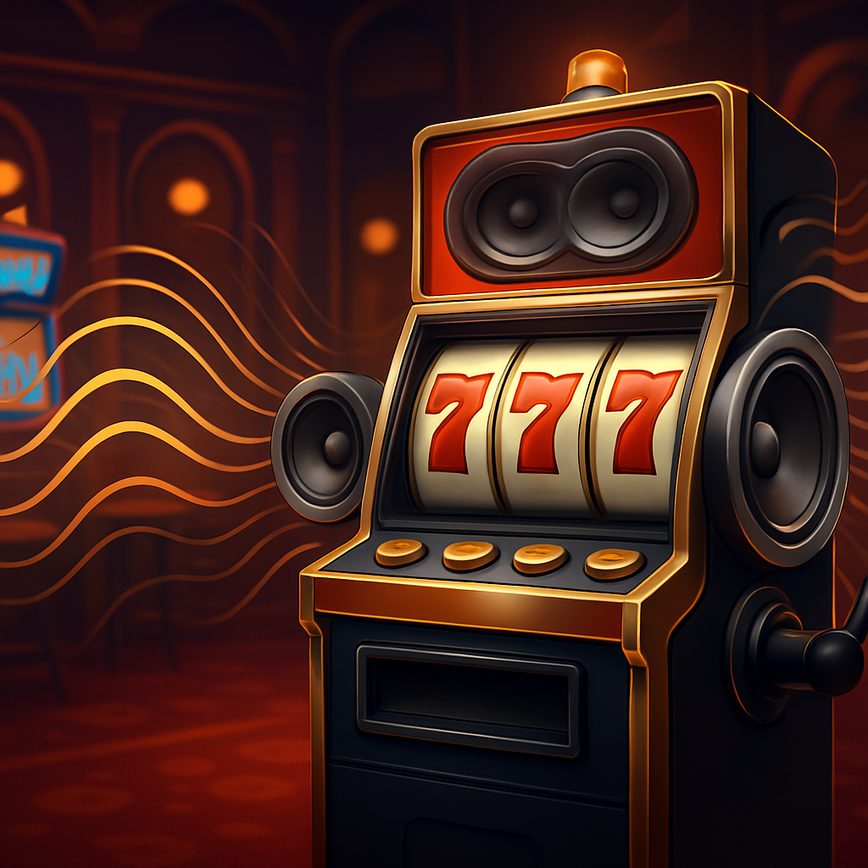
The Role of Sound Design in Slot Games
Sound design plays a crucial role in shaping the overall atmosphere and excitement of slot games. It goes far beyond merely adding background noise; it crafts an immersive audio environment that deeply engages the player. The strategic use of audio effects in slot games enhances the visual experience, making the gameplay more dynamic and captivating. As players spin the reels, carefully designed soundscapes guide emotions, signal key moments, and heighten anticipation, all of which contribute directly to player engagement.
Audio effects in slot games serve multiple purposes. They provide immediate feedback for player actions, such as the satisfying clink of coins or the thrilling crescendo when a big win occurs, keeping the player motivated and excited. This feedback loop encourages continued play by rewarding the senses, making the experience feel more tangible and rewarding. Furthermore, sound design helps establish the unique personality and theme of each slot game, whether it’s the mysterious ambiance of an ancient temple or the joyful energy of a carnival. These auditory cues help transport players into the game world, creating a compelling atmosphere that keeps players invested.
The importance of sound design in player engagement cannot be overstated. High-quality, immersive soundtracks and well-crafted audio effects trigger emotional responses, making players feel more connected to the game. This connection enhances immersion, making the gaming session more enjoyable and memorable. Game developers carefully tailor sound elements to complement visual graphics and game mechanics, ensuring that audio effects are synchronized with gameplay events to maximize impact. By doing so, sound design transforms slot games from simple gamble machines into interactive experiences that players want to return to again and again.
In conclusion, sound design is a foundational element that significantly influences the atmosphere and excitement of slot games. Its role in creating immersive environments through detailed audio effects, and enhancing player engagement is vital for the success of any slot game. By thoughtfully integrating sound design into the core mechanics, developers can craft more engaging, emotionally resonant experiences that captivate players and elevate the overall appeal of slot games.
Types of Sounds Used in Slots
Slot games employ a variety of sound effects to create an engaging and immersive player experience. One of the primary categories is background music, which sets the overall mood and atmosphere of the game. This music can range from calm and relaxing tunes to high-energy beats, keeping players emotionally connected throughout their gameplay.
Spin sounds are another crucial category of slot game sounds. These audio cues accompany the spinning of the reels, providing immediate feedback to the player that the game is in action. The distinct whirring or clicking noises during a spin enhance the anticipation and excitement of waiting for the outcome.
Win jingles or celebratory sounds stand out as key moments within a slot game. When a player lands a winning combination, these uplifting sound effects reward the player and heighten the feeling of accomplishment. These win jingles often involve catchy melodies or triumphant tones, making victories more memorable.
In addition to these main categories, other audio cues such as button clicks, bonus round alerts, and jackpot notifications contribute significantly to the sound design. These effects guide the player’s attention and enhance the interactive experience of the game. Together, sound effects, background music, and audio cues merge seamlessly to create dynamic and captivating slot game sounds that immerse players into the gaming world.
Technical Aspects of Slot Sound Design
The technical processes involved in slot sound design are pivotal in creating an immersive gaming experience. At the core is game audio design, which involves crafting sound assets that seamlessly align with gameplay. Sound mixing plays a critical role here, balancing various audio elements like background music, sound effects, and voiceovers to ensure clarity and emotional impact. Advanced audio technology enables developers to integrate these sounds with precision, tailoring them to different platforms and devices.
Adaptive audio techniques elevate slot sound design by dynamically responding to player actions and game states. This interactive sound approach means audio cues can change based on wins, losses, spins, or bonus rounds, enhancing player engagement. Using middleware tools and audio engines, designers implement real-time processing to adjust sound layers, volumes, and effects, creating a fluid and responsive soundscape.
Moreover, incorporating spatial audio and 3D sound positioning adds depth, allowing players to perceive sounds from different directions. This level of audio detail enriches immersion and heightens the excitement of each spin. Overall, the technical fusion of sound mixing, adaptive audio, and cutting-edge audio technology forms the foundation of compelling slot sound design that captivates players and sustains their interest.
How Sound Enhances Player Immersion
Sound plays a crucial role in enhancing player immersion by deeply influencing the way players connect emotionally with a game. The careful integration of sound effects and music creates an audio impact that extends beyond mere background noise, reinforcing gameplay experiences and elevating game engagement to new heights.
One of the primary ways sound enhances player immersion is through the creation of emotional connections. Music sets the tone and mood, shaping the player’s feelings as they move through the game’s world. An intense soundtrack can build excitement or tension, while softer melodies can evoke calm or melancholy. These emotional cues complement visual and narrative elements, creating a holistic experience that resonates more profoundly with players.
Sound effects further deepen immersion by providing feedback that confirms player actions and in-game events. From the clinking of coins in a slot machine to the subtle hum of a game environment, these sounds ground gameplay in a believable sensory reality. This real-time audio feedback not only makes gameplay more engaging but also enhances the player’s sense of presence within the game world.
Moreover, the strategic use of audio in games supports cognitive processing, making it easier for players to interpret game mechanics and respond appropriately. Audio cues can signal important changes, such as a win or a loss in a slot game, prompting players to react and adapt strategies. This synchronization between sound and gameplay encourages continuous engagement by keeping players alert and emotionally invested.
Ultimately, the audio impact in gaming is essential for establishing a strong emotional connection between the player and the game. By weaving immersive soundscapes and dynamic sound effects into the fabric of gameplay, developers enhance player immersion, creating memorable and enjoyable gaming experiences. This synergy between sound and interaction is key to sustaining player interest and elevating overall game engagement.
Psychological Effects of Sound on Players
The psychology of sound plays a crucial role in shaping player behavior within slot gaming environments. Audio elements trigger specific neural pathways that influence emotional responses, creating powerful associations between sound patterns and gaming outcomes. When players hear celebratory chimes or escalating musical sequences, their brains release dopamine, reinforcing continued engagement and heightening the sensory experience.
Specific audio frequencies and rhythmic patterns directly impact player attention spans. High-pitched victory sounds capture immediate focus, while ambient background music maintains sustained concentration throughout extended play sessions. This auditory layering creates an immersive atmosphere that keeps players mentally engaged, even during losing streaks. The emotional impact of these carefully crafted soundscapes often outweighs visual stimuli in memory retention.
Sound design significantly influences decision-making processes during gameplay. Near-miss scenarios accompanied by almost-winning audio cues create false perceptions of success, encouraging players to continue despite losses. The tempo of background music can accelerate or decelerate betting patterns, with faster rhythms promoting quicker decision-making and increased wagering frequency. Research demonstrates that removing sound entirely reduces play duration by up to 30%, highlighting audio’s fundamental role in player psychology.
The sensory experience extends beyond conscious awareness, as subliminal audio elements shape subconscious responses. Low-frequency bass notes create feelings of excitement and anticipation, while harmonic progressions establish emotional narratives that parallel the gaming journey. Understanding these psychological mechanisms reveals how sound transforms simple gaming mechanics into deeply engaging emotional experiences that resonate long after gameplay ends.
Case Studies: Sound Design Driving Engagement
Several successful slots have demonstrated how sound design can significantly enhance player engagement and immersion. Take, for instance, the widely popular slot “Gonzo’s Quest” by NetEnt. Its immersive jungle-themed soundscape, featuring ambient animal noises and rhythmic tribal music, creates a captivating atmosphere that pulls players into the adventure. This carefully crafted sound design complements the visual effects and gameplay, leading to higher retention rates and extended play sessions.
Another exemplary case study is “Starburst” by NetEnt, where the vibrant sound effects and upbeat music heighten excitement during wins and special features. The audio cues are perfectly timed to reinforce player actions, making the experience both rewarding and immersive. This close integration of sound design elements with game mechanics has been pivotal in maintaining high player engagement.
“Buffalo Spirit” by Pragmatic Play uses authentic nature sounds and dynamic musical shifts to reflect the wild theme, drawing players into the slot’s compelling environment. These sound design examples emphasize the power of audio in building a strong connection between the player and the game. Across these successful slots, sound design is a critical factor driving player immersion, satisfaction, and loyalty.
Best Practices for Creating Immersive Slot Soundscapes
Creating immersive audio in slot games is essential to engage players and enhance their overall gaming experience. Developers should focus on crafting dynamic soundscapes that adapt to gameplay, rewarding players and maintaining excitement throughout their session. Here are some best practices and sound design tips to consider during slot development.
First, implement layered audio tracks that evolve as the game progresses. This dynamic layering allows the soundscape to change depending on the player’s actions, such as triggering bonus rounds or hitting winning combinations. By avoiding repetitive audio loops and introducing variation, you prevent listener fatigue and keep the atmosphere fresh and captivating.
Next, ensure the audio cues have clear purpose and connection to the game events. Using distinct sounds for different outcomes — like small wins, big jackpots, or entering special modes — helps players quickly interpret what is happening without needing to constantly watch the screen. This intuitive design improves player satisfaction by reinforcing key moments with appropriate audio feedback.
Additionally, maintain a consistent theme throughout the slot’s soundtrack and effects. Whether it’s a tropical adventure or a futuristic casino, the sound design should reflect the game’s setting to deepen immersion. This coherence between visual elements and sound design creates a seamless experience that players find more believable and enjoyable.
Another sound design tip is to optimize volume levels and mixing. Sounds should be balanced so that no element overwhelms the others, including background music, interface clicks, and special effects. Giving players the option to customize audio settings, like adjusting music or sound effect volumes independently, also contributes to a more personalized gaming environment.
Lastly, test your soundscapes with real users to gather feedback on immersion and enjoyment. Iterative testing allows developers to refine their approach, addressing any issues like irritating sounds or lack of variety. Combining technical excellence with player feedback leads to more compelling audio that enhances player engagement and satisfaction.
By following these best practices, developers can create immersive audio environments that strengthen the player’s connection to the game. Thoughtful sound design not only supports storytelling and gameplay but also significantly boosts player retention and overall slot success.
Balancing Sound with Gameplay
Achieving effective sound balancing is essential in crafting a compelling player experience. When integrating gameplay audio, designers must ensure that audio elements complement the visual and interactive components rather than overpower or distract from them. Proper sound balancing involves carefully adjusting the audio dynamics so that background music, sound effects, and voiceovers coexist harmoniously. This balance ensures that critical audio cues are clearly heard without being lost amidst overwhelming sounds.
One key approach is to prioritize sounds based on their gameplay relevance. For example, action-triggered sound effects, which provide immediate feedback to player interactions, should be more prominent than ambient sounds or background music. This helps guide the player’s attention and reinforces in-game actions without causing confusion. Additionally, audio levels should be dynamically adjusted to accommodate varying gameplay scenarios, such as lowering music volume during intense action sequences to highlight urgent sound effects.
Another effective technique is employing audio ducks or fades that automatically reduce less important sound layers when primary sounds occur. This maintains clarity, allowing players to focus on the most relevant audio information. Continual testing and refinement based on player feedback also play a critical role in perfecting sound balancing. Ultimately, thoughtfully balanced sound enhances immersion by supporting gameplay mechanics and storytelling while minimizing distractions.
By mastering the interplay between audio dynamics and gameplay elements, sound designers can elevate the overall player experience, making it both richer and more engaging through carefully tuned audio that enhances rather than detracts from the game environment.
Incorporating Player Feedback in Sound Design
Effective sound design in slot games relies heavily on the continuous incorporation of player feedback. This invaluable input offers direct insights into how users perceive and interact with the game’s audio elements, enabling developers to make targeted sound improvements. One common technique for gathering player feedback is through structured user testing sessions, where players are observed and questioned about their auditory experience. Surveys and feedback forms, integrated directly into the game or via follow-up emails, can also capture detailed opinions on sound quality and effects.
Once collected, this player feedback must be carefully analyzed to identify recurring issues or preferences. Prioritizing audio elements that players highlight allows developers to focus on adjustments that will significantly enhance immersion. For example, if users report that certain sound effects are too loud or distracting, audio levels can be fine-tuned to achieve a better balance. Additionally, feedback can guide the optimization of sound cues to improve timing and clarity, making gameplay more engaging.
Integrating player feedback into the sound design process fosters a collaborative environment where user experiences directly influence the game’s audio development. By leveraging this approach, slot game creators can deliver polished, user-centered audio that heightens player immersion and satisfaction. Continuous cycles of user testing and audio optimization ensure that the sound design evolves to meet player expectations and industry standards.

I have spent the last decade exploring the nuances of online gaming, from slot volatility to table game strategy, to understand what truly makes a casino platform stand out. My weekends are dedicated to testing different sites and bonus offers to provide clear, honest insights for fellow players. I focus on the practical aspects of gameplay and user experience to help others find the best entertainment value.