

Understanding Live Casino Latency
Live casino latency refers to the delay between a player’s action and the response they receive from the live casino game. This delay, often measured in milliseconds, directly impacts the overall online casino speed and user experience. In essence, latency is the time taken for data to travel from the player’s device to the casino server and back again, which is why it is sometimes called connection delay.
The latency definition in the context of live casinos is crucial because it helps players understand why there might be occasional lags or slow responses during gameplay. High latency means a longer wait time for game updates, dealer actions, or results to be displayed, which can disrupt the immersive experience that live casino games aim to provide.
Latency is typically measured using ping tests, which calculate the round-trip time for data packets sent from the player’s device to the casino’s server. This involves sending a small packet of data to the server and waiting for its acknowledgment, with the total time recorded as the latency. A lower ping time signifies better connection speeds and smoother gameplay.
Several factors contribute to live casino latency. One primary cause is the geographical distance between the player and the casino’s servers; the farther away the server, the longer the connection delay. Internet connection type and quality also play a significant role, with wired broadband typically offering lower latency compared to wireless or mobile networks. Additionally, network congestion and server load can increase latency, especially during peak gaming hours.
Understanding live casino latency is essential for both operators and players who want to optimize their online gaming experience. Operators continuously work to minimize latency by using high-speed servers strategically located near their player bases and employing advanced network technologies. For players, ensuring a stable and fast internet connection is key to reducing connection delays and enjoying a seamless live casino experience.
What Causes Latency in Live Casinos?
Latency in live casinos is primarily caused by several factors related to connection speed issues and network delay, which can significantly affect the gaming experience. The fundamental cause often lies in the quality and speed of the internet connection. Slow or unstable internet speeds can introduce delays in data transmission, causing interruptions and lag in real-time game updates. This is particularly critical in live casinos where timing and responsiveness are essential.
Another key factor contributing to latency causes is the physical distance between the player and the casino’s server. The farther the server is located, the longer it takes for data to travel back and forth, resulting in increased network delay. This server response time is crucial because it dictates how quickly the game can update the player’s actions and outcomes in real time.
Hardware limitations also play a significant role in latency. Older or less powerful devices may struggle to process live video streams and game commands quickly, adding to the delay. Additionally, network hardware such as routers, modems, and wireless connections can introduce bottlenecks if they are outdated or improperly configured. Together, these connection speed issues, server distance, and hardware limitations combine to affect the overall latency experienced in live casino gaming.
Measuring Latency in Live Casino Games
Measuring latency in live casino games is essential for both players and operators to ensure smooth gameplay and an optimal user experience. Latency measurement typically involves the use of specialized latency tools that monitor the time delay between a player’s action and the server’s response. One of the most common and simple techniques is the ping test, which measures the round-trip time it takes for data packets to travel from the player’s device to the casino server and back.
Players can easily perform ping tests through command-line interfaces or with dedicated connection speed test applications available online. These tools provide real-time data on latency, helping players assess whether their internet connection is fast and stable enough for live casino games. High latency values often indicate delays, which could impact decision-making and the overall gaming experience.
For operators, monitoring latency is more complex and involves continuous tracking with advanced latency measurement tools integrated into the gaming platform. These tools gather detailed metrics on connection speed, packet loss, jitter, and latency spikes. By analyzing this data, operators can identify and troubleshoot connectivity issues, optimize server placement, and enhance the performance of their live casino environments.
Both players and operators benefit from regularly using connection speed tests and latency measurement tools to maintain a high-quality live gaming experience. Addressing latency issues proactively ensures that gameplay remains seamless, fair, and enjoyable for everyone involved.
Why Connection Speed Matters in Live Casinos

Connection speed is a fundamental element that profoundly impacts the gaming experience in live casinos. Unlike traditional online casino games that rely on software-generated results, live casino games involve real-time interactions between players and live dealers streamed over the internet. This dynamic makes connection speed crucial to ensuring smooth gameplay and maintaining live casino performance at its peak.
A fast and stable connection speed guarantees that video streams from the live dealer’s end reach the player’s device without delays or interruptions. Slow connection speed can cause buffering, lag, or freezing of the video feed, severely disrupting the immersive gameplay experience that live casinos strive to offer. Such interruptions frustrate players, reducing enjoyment and potentially driving them away from the platform.
Moreover, connection speed is critical to achieving true real-time interaction. In live casinos, players make decisions and place bets while observing live dealer actions unfold. Any latency between a player’s input and the casino server’s response can result in missed betting windows or inaccurate game states, undermining the fairness and transparency inherent in live gameplay. High latency can give an unfair advantage or disadvantage by delaying feedback, which compromises the integrity of the game.
Fairness in live casino games is paramount, and it hinges on synchronous information exchange between the player and the dealer. An optimal connection speed ensures that game events, such as card deals or roulette spins, are communicated instantaneously and accurately. This synchronization builds player trust by confirming that every action and outcome is authentic and not delayed or manipulated by technical issues.
In summary, connection speed is not just a technical metric but a cornerstone of live casino performance that directly influences the user experience and the perceived fairness of the game. Players who enjoy a lag-free, real-time interaction find live casinos more engaging and credible. Thus, the emphasis on minimizing latency and optimizing connection speed is crucial for operators aiming to deliver top-tier live casino entertainment.
Impact of Slow Connection on Gameplay
A slow connection can have significant negative effects on live casino gameplay. One of the most common slow connection effects is game lag, where actions take longer to register or the game appears to hesitate. This lag can disrupt the immersive experience that live casino players seek, making it frustrating to place bets or make decisions in real time.
Additionally, a slow connection often leads to game delay, where the game’s response is noticeably behind the actual events. This delay can cause confusion and missed opportunities, as players may not be able to react promptly to the dealer’s actions or changing game conditions.
Worse still, slow internet speeds can cause freezes or even disconnections from the live casino platform. Disconnections interrupt the gameplay abruptly, potentially causing players to lose bets or miss critical moments in the game. Frequent interruptions due to poor connection quality negatively impact the overall gaming experience and can deter players from returning.
In summary, slow connection speeds can result in lag, game delay, and disconnections, all of which reduce the enjoyment and effectiveness of live casino gaming. Ensuring a stable and fast internet connection is essential to avoid these issues and maintain smooth and engaging gameplay.
Benefits of High-Speed Connections
Having a high-speed internet connection is essential for enjoying live casino games with minimal lag. A strong and reliable connection ensures low latency, which means the time delay between your commands and the game’s response is significantly reduced. This low latency is vital for smooth gameplay, allowing players to experience real-time action without frustrating interruptions or delays.
High-speed internet not only improves game responsiveness but also contributes to an overall enhanced player satisfaction. When the connection is stable and fast, players can focus fully on their strategies and the excitement of the game rather than worrying about technical issues. This seamless experience increases trust in the platform and encourages longer gaming sessions.
Moreover, a reliable connection helps prevent issues like disconnections or freezing screens, which can disrupt gameplay and potentially lead to losses. With consistent high-speed internet, live casinos can transmit high-quality video and audio streams without buffering, further immersing players in the authentic casino atmosphere.
In summary, investing in high-speed internet is crucial for anyone who wants to enjoy live casino games to the fullest. It guarantees low latency, smooth gameplay, and a reliable connection, all of which contribute to a more satisfying and enjoyable gaming experience.
How to Optimize Your Connection for Live Casinos
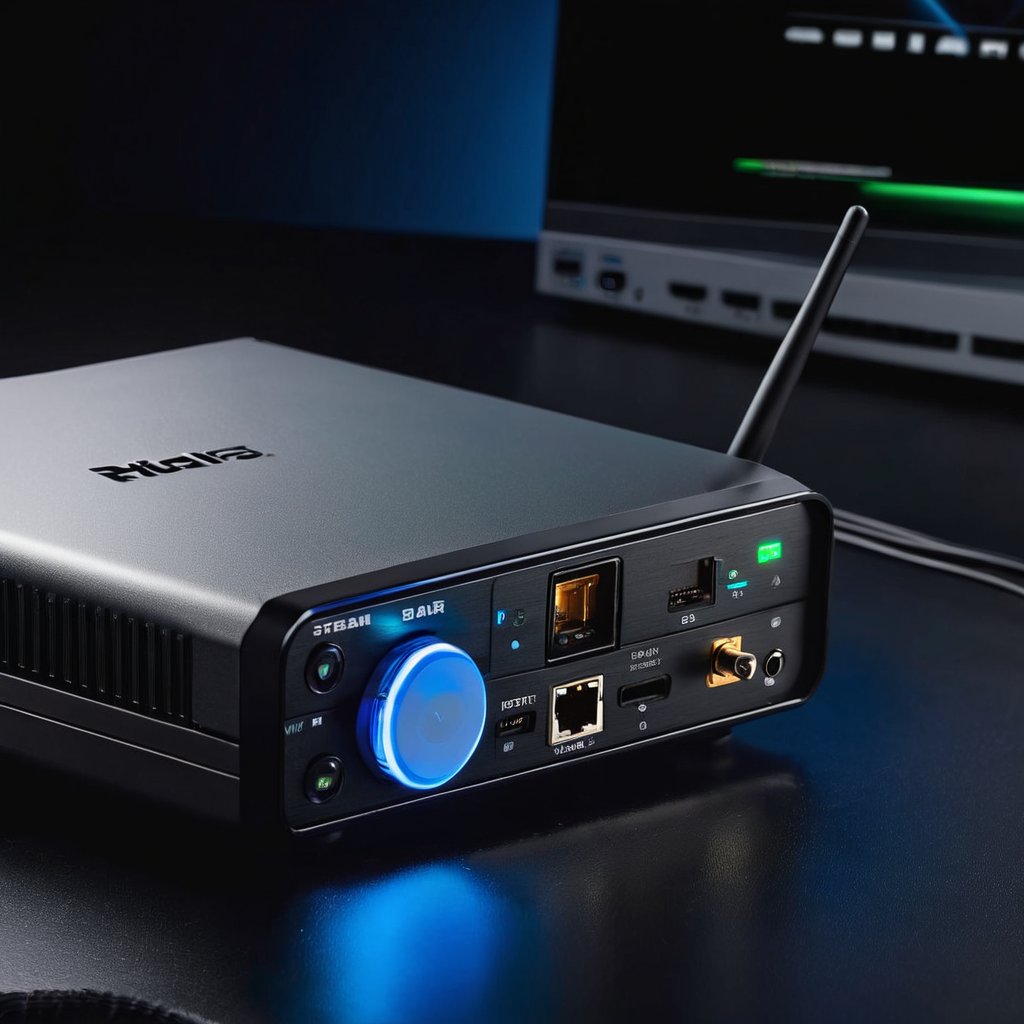
For an enjoyable and seamless live casino experience, it’s crucial to optimize your connection to reduce latency and ensure fast internet speed. Connection speed directly impacts the quality of your gaming session, minimizing delays and buffering that can disrupt gameplay. Here are practical internet speed tips and network optimization strategies to help you improve your live casino experience.
First, use a wired Ethernet connection whenever possible. Wired connections provide a more stable and faster link to the internet compared to Wi-Fi, which is prone to interference and signal drops. If Ethernet isn’t an option, position yourself as close as possible to the Wi-Fi router to strengthen your signal and reduce latency.
Next, ensure that no other devices or applications are consuming excessive bandwidth while you’re playing. Streaming videos, downloading large files, or other connected devices on the same network can slow down your internet speed and increase latency. Consider temporarily pausing these activities or connecting to a dedicated network for your gaming sessions.
Regularly update your router firmware and use modern routers that support the latest wireless standards like Wi-Fi 6. These improvements can enhance your network’s efficiency and reduce connection interruptions. Additionally, optimizing your network settings by selecting less congested Wi-Fi channels can also improve performance, especially in densely populated areas.
Another important aspect is to test your internet speed frequently using online speed tests. This helps you identify if you’re getting the expected speeds from your ISP and if any changes are necessary. In cases where your connection consistently underperforms, upgrading your internet plan to a higher speed package might be worth considering.
Lastly, close unnecessary background applications on your device to free up resources and reduce latency. Make sure your device’s operating system and browser are up to date, as these updates often include performance optimizations that impact your connection quality.
By implementing these network optimization tips and focusing on how to optimize connection speed, you can dramatically reduce latency and enjoy smoother, uninterrupted live casino sessions.
Choosing the Right Internet Service Provider
Selecting the right Internet Service Provider (ISP) is crucial for ensuring a smooth and enjoyable live casino gaming experience. When it comes to ISP selection, gamers should prioritize providers that offer fast internet providers with a reputation for reliability and consistent broadband speed. This helps minimize latency and reduces the chances of interruptions during live casino sessions.
Look for ISPs that specifically offer gaming internet plans. These plans are designed to provide low latency and high bandwidth that support the demands of live video streaming and interactive gaming. A good gaming internet plan typically includes higher upload speeds, which are just as important as download speeds for live casino games.
Additionally, check customer reviews and performance reports for broadband speed consistency in your area. Fast internet providers may vary depending on your location, so local user feedback can give valuable insights into which ISPs deliver on their promises. Look for ISPs that have zero or minimal buffering and packet loss to ensure seamless gameplay.
| ISP Feature | Why It Matters | What to Look For |
|---|---|---|
| Broadband Speed | Ensures quick data transfer, reducing game lag. | Minimum 50 Mbps download speed; higher upload speed for streaming. |
| Gaming Internet Plans | Optimized for low latency and stable connections. | Plans marketed specifically for gamers with QoS (Quality of Service) features. |
| Reliability | Prevents disconnects and interruptions during gameplay. | High uptime guarantee and local positive reviews. |
| Customer Support | Quick troubleshooting if issues arise during gaming sessions. | 24/7 live support with gaming knowledge preferred. |
Network and Hardware Configuration Tips
Optimizing your live casino experience starts with proper router setup. Using a wired connection is highly recommended over wireless, as Ethernet cables provide a more stable and faster connection, reducing latency significantly. Wireless connections can suffer from interference and signal loss, which directly impacts your gaming performance.
In addition to switching to wired, consider upgrading your hardware. Modern routers and network cards support higher speeds and better handling of multiple devices. Older hardware may bottleneck your connection, so investing in the latest equipment can lead to noticeable improvements. Ensure your router firmware is also up to date to benefit from the latest performance and security enhancements.
Adjusting network settings can further optimize your connection. Prioritize traffic related to your live casino using Quality of Service (QoS) features available in many routers, which allocate bandwidth to important applications first. Additionally, configuring firewall settings to allow smooth data flow without unnecessary restrictions can reduce delays caused by packet inspection and filtering.
By combining these technical adjustments—switching from wireless to wired connections, upgrading critical hardware, and fine-tuning network settings—you can minimize latency and enjoy a seamless live casino experience without frustrating interruptions or slowdowns.
Best Practices During Live Casino Play
To ensure a seamless gaming experience, it’s crucial to adopt effective gaming session tips that help maintain optimal latency levels. One of the best practices is to close unnecessary background applications before you start your live casino play. These applications consume bandwidth and system resources, which can lead to higher latency, causing delays and disruptions during gameplay.
Avoid downloading large files or updates while playing. Heavy downloads can consume a significant portion of your internet bandwidth, resulting in a slower connection and increased latency. By postponing downloads until after your gaming session, you help preserve a stable connection that is essential for live casino streaming.
Maintaining a stable connection is paramount. If possible, use a wired Ethernet connection instead of Wi-Fi, as it tends to be more reliable and less prone to interference. Additionally, ensure your router’s firmware is up to date and positioned for maximum signal strength if you must use wireless.
Incorporating these simple yet effective habits into your live casino routine will greatly reduce latency issues. Closing background apps, avoiding heavy downloads, and prioritizing a stable connection collectively ensure smoother gameplay and an overall better live casino experience.

I have spent the last decade exploring the nuances of online gaming, from slot volatility to table game strategy, to understand what truly makes a casino platform stand out. My weekends are dedicated to testing different sites and bonus offers to provide clear, honest insights for fellow players. I focus on the practical aspects of gameplay and user experience to help others find the best entertainment value.