
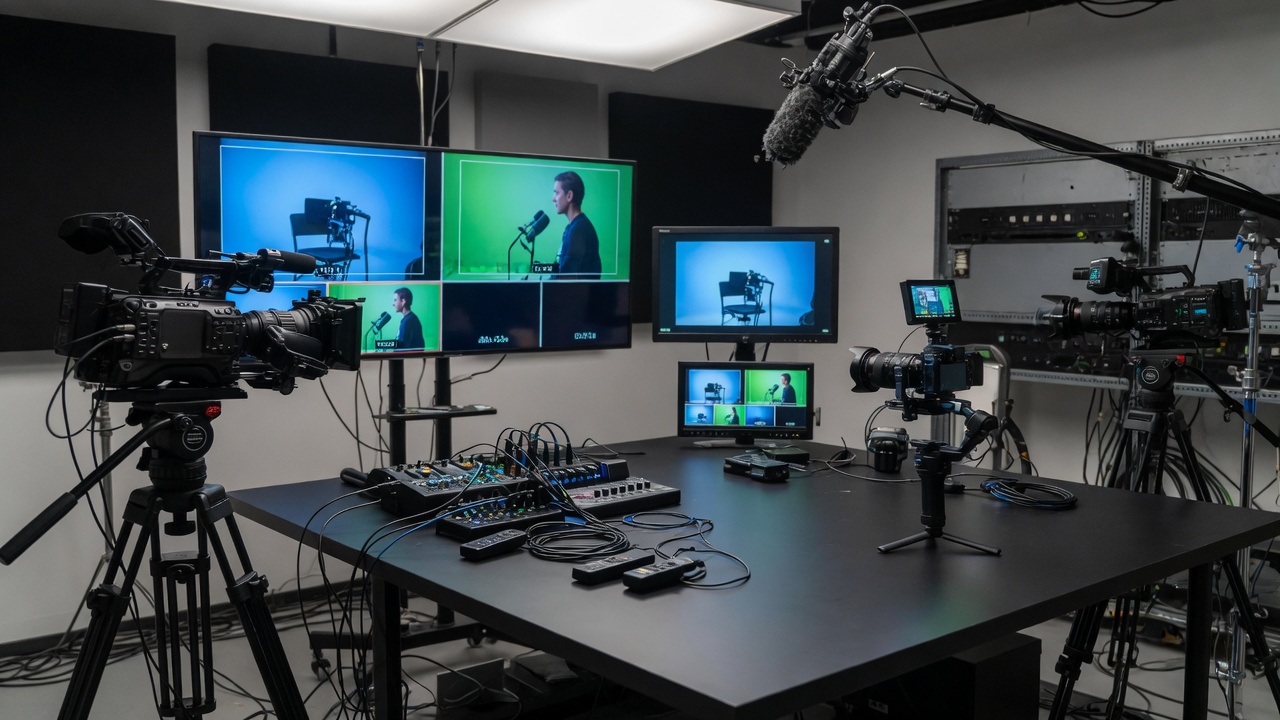
Another common problem is sync problems between multiple camera feeds. When audio and video or different camera angles fall out of sync, it disrupts the viewing experience. To fix sync problems, use hardware or software tools designed for synchronization. Regularly check the timing settings in your streaming software, and consider using timecode synchronization if available.
Streaming errors such as dropped frames, buffering, or unexpected disconnections are also frequent. These errors often stem from bandwidth limitations or server overloads. Monitoring your encoder’s bitrate and adjusting it to match your network capacity can minimize errors. Additionally, choosing a reliable streaming platform with scalable servers can help reduce the risk of disconnections.
In summary, the key to overcoming these technical issues lies in preparation and continuous monitoring. Always test your equipment and network before going live, and keep diagnostics tools on hand to quickly identify and resolve streaming errors, latency, or sync problems during the broadcast.
Optimizing Production for Better Viewer Engagement
To boost viewer engagement in multi-camera live streams, it’s essential to focus on content optimization and interactive streaming techniques. Start by planning your camera angles strategically—alternate between close-ups, wide shots, and audience views to keep the visual experience dynamic and interesting. This variation not only captures attention but also enhances audience retention by providing a richer viewing experience.
Implementing real-time interaction features such as live polls, Q&A sessions, and chat overlays encourages viewers to participate actively rather than passively watch. Interactive streaming fosters a sense of community and connection, which significantly improves viewer engagement and keeps the audience coming back for more.
Additionally, optimize your stream’s content by closely monitoring which segments hold audience interest the longest and adjust future productions accordingly. Pay attention to pacing and avoid lengthy, monotonous shots that can cause viewers to lose interest. Incorporate graphics, highlights, and on-screen prompts to maintain a lively and engaging atmosphere throughout the broadcast.
Finally, ensure your technical setup delivers smooth transitions and stable video quality across all camera feeds. High-quality production values paired with thoughtful content optimization can dramatically increase viewer engagement and enhance overall audience retention during multi-camera live streams.
Introduction to Multi-Camera Live Tables
Multi-camera live tables represent an essential component in modern live streaming and video production setups. These setups involve the use of multiple cameras strategically positioned to capture different angles and perspectives simultaneously. The concept of live tables integrates these multiple camera feeds into a cohesive system, allowing for seamless switching and real-time content delivery to audiences.
The significance of multi-camera setups in live streaming cannot be overstated. By employing several cameras, producers can create dynamic and engaging live broadcasts that maintain viewer interest through varied visual input. This approach transcends the limitations of a single-camera setup, where the audience’s view is restricted to one angle or perspective.
Incorporating live tables into these environments provides organizers and content creators with a structured and efficient way to manage streams from multiple cameras simultaneously. Live tables serve as the control hub where video feeds converge, and producers can switch, mix, and enhance footage in real time. This process is fundamental to delivering professional-quality streams that cater to diverse audience needs.
Understanding streaming basics is crucial for leveraging multi-camera live tables effectively. The technology involves synchronizing video inputs, managing bitrate for smooth transmission, and ensuring low latency so that the live stream feels immediate to viewers. Multi-camera live tables contribute to meeting these challenges by enabling consistent oversight and quick adjustments during the broadcast.
Overall, the integration of multi-camera setups and live tables in video production elevates the quality and versatility of live events. Whether it’s a sports broadcast, a concert, or a corporate webinar, these systems allow for richer storytelling through visual diversity and technical control, thereby significantly enhancing the viewer experience.
Overview of Multi-Camera Streaming Technology
Multi-camera streaming technology revolutionizes the way live video content is captured and delivered, enabling viewers to experience events from multiple angles in real time. At the core of this technology is the synchronization of several cameras positioned strategically around the event space. Each camera captures a unique viewpoint, creating a dynamic and immersive live video stream.
The process begins with high-definition cameras connected to a central encoding system that compresses and prepares the video feeds for transmission. This live video tech must handle multiple video streams simultaneously, maintaining synchronization and consistent quality across all angles. Streamers often rely on advanced hardware encoders or software solutions that integrate these streams and allow seamless switching between camera feeds during the broadcast.
Multi-angle streaming leverages real-time communication protocols and content delivery networks (CDNs) to distribute these multi-camera feeds with minimal latency to the audience. The technology ensures that viewers receive smooth playback, regardless of their device or internet connection, enabling a highly interactive and engaging viewing experience. This is especially important for live events such as sports, concerts, and conferences where capturing every moment from different perspectives enriches the overall storytelling.
Benefits of Using Multi-Camera Live Tables
Multi-camera live tables offer significant streaming benefits that can greatly enhance both engagement and the overall viewer experience. By incorporating multiple camera angles, broadcasters can provide a dynamic and immersive presentation, allowing viewers to see every detail from various perspectives. This flexibility not only keeps the audience engaged but also creates a more professional and polished production.
One of the main advantages is the improvement in video quality. Multi-camera setups allow for smoother transitions and more precise capturing of events, which results in a visually appealing broadcast. This higher production quality sets live streams apart from single-camera videos, helping content creators attract and retain more viewers.
Furthermore, multi-camera live tables increase interactive possibilities by giving producers the option to switch between shots based on what’s happening, enabling them to highlight key actions or reactions instantly. This real-time adaptability maintains viewer interest and fosters a stronger connection between the content and the audience.
In summary, the use of multi-camera live tables in streaming offers diverse benefits such as enhanced viewer experience, elevated production quality, and increased engagement, making it an essential tool for anyone aiming to produce top-tier live content.
How Multi-Camera Streaming Works
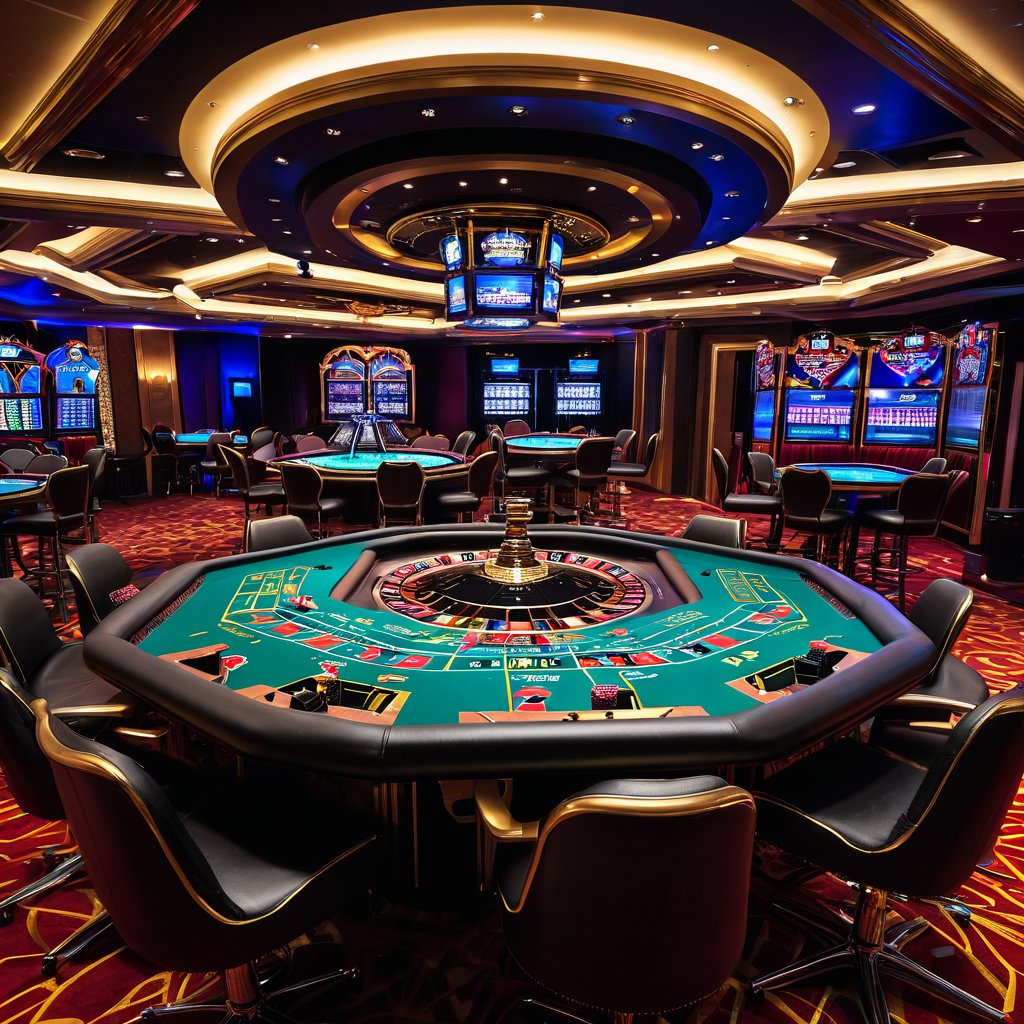
Understanding the process behind multi-camera live tables during a live streaming event is essential for delivering a smooth and engaging viewer experience. This workflow involves several key steps, including live streaming management, camera switching, encoding, and seamless video integration.
- Setup and Camera Positioning: The first step involves positioning multiple cameras around the live event area to capture different angles. Each camera is connected to the live streaming setup, allowing real-time video feeds to be transmitted for processing.
- Video Capture and Signal Input: Each camera continuously captures video footage and sends the video signals to a central control system, such as a video switcher or a live production software. This system is responsible for managing all incoming streams in real time.
- Camera Switching: During the live event, the director or operator uses the central control system to switch between different camera feeds dynamically. This switching enhances the viewer experience by showcasing various perspectives and focusing on key moments.
- Encoding of Video Feeds: The selected camera streams are then encoded using specialized software or hardware encoders. Encoding compresses the video data while maintaining quality, preparing it for efficient transmission over the internet without causing latency or buffering.
- Video Workflow Management: All camera feeds and encoded streams are integrated into a cohesive video workflow. This workflow ensures synchronized timing, smooth transitions, and the ability to add graphics or overlays if needed during the live stream.
- Streaming Distribution: After encoding, the video stream is sent to a Content Delivery Network (CDN) or live streaming platform. This distribution network ensures the live feed reaches viewers worldwide with minimal delay, adapting the stream quality to viewer bandwidth.
- Viewer Experience and Interaction: Finally, the live streaming reaches the audience on various devices such as smartphones, tablets, or computers. Viewers enjoy a dynamic, multi-angle broadcast, with the ability to experience the event as if they were present, thanks to the precise camera switching and smooth encoding in the overall video workflow.
By following these steps, multi-camera live tables facilitate a professional and immersive live streaming event where camera switching and encoding play crucial roles in delivering high-quality video content within a seamless video workflow.
Camera Setup and Integration
Setting up multiple cameras for a live streaming environment requires careful planning and precise coordination to ensure seamless live integration. The initial step involves selecting the appropriate hardware, including cameras that meet your streaming quality needs and are compatible with your switcher or streaming software. Position each camera strategically to cover various angles of the event, ensuring that the footage captured is dynamic and engaging for viewers.
Synchronization is critical in a multi-camera setup to avoid audio-visual mismatches and to provide a smooth viewing experience. Use hardware or software synchronization tools that align the video feeds in real-time. This may include genlock-capable cameras or timecode generators that create a master clock signal to keep all devices in sync. Additionally, a reliable video switcher or live integration platform is essential to manage the input feeds efficiently and switch between cameras without delay or glitch.
Integrating all cameras into the live streaming workflow also involves ensuring stable connections, often through SDI or HDMI cables, and verifying that each feed transmits correctly to the central mixer or streaming encoder. Testing and rehearsing before the actual stream is vital for troubleshooting any hardware or synchronization issues. Proper camera setup and synchronization deliver a professional multi-camera live stream where transitions are smooth, visuals are clear, and the audience stays fully engaged.
Switching and Mixing Video Feeds
In live production, video switching and feed mixing are essential techniques to create a seamless and dynamic viewing experience. Video switching involves selecting one video feed from multiple camera sources in real time, allowing producers to change perspectives instantaneously. This real-time switching is achieved using video switchers or vision mixers, specialized hardware or software tools designed to handle multiple inputs efficiently.
Feed mixing, on the other hand, goes beyond simple switching by blending different video streams to produce effects such as picture-in-picture, split screens, or overlays. This technique requires more advanced mixers that can handle compositing and layering of video feeds to enhance live production value. Both switching and mixing rely on precise timing and synchronization to ensure smooth transitions without causing delays or glitches.
Modern live production setups often use digital video switchers with graphical user interfaces that provide intuitive control over multiple feeds. Integration with software solutions enables producers to automate switching sequences and apply effects in real-time. Network-based switching technologies have also become popular, allowing video feeds to be routed over IP infrastructures, which adds flexibility and scalability to live events.
Ultimately, the combination of video switching and feed mixing tools empowers live production teams to deliver engaging broadcasts by seamlessly managing multiple camera angles and multimedia sources, enhancing the overall storytelling experience for viewers.
Encoding and Broadcasting the Stream
The process of encoding and broadcasting a live multi-camera stream is a crucial step in delivering high-quality video content to viewers in real-time. Once the various camera feeds are mixed together into a seamless production, the next task is to encode this composite video into a digital format suitable for live transmission. Video encoding involves compressing the raw video data to reduce its size while maintaining acceptable quality, allowing for efficient streaming over the internet.
Live broadcasting relies heavily on streaming protocols to ensure that the video data is transmitted correctly and with minimal delay. One of the most widely used protocols in live streaming is RTMP (Real-Time Messaging Protocol). RTMP facilitates the delivery of encoded video streams from the broadcaster’s encoder to the streaming platform’s servers, where it is then distributed to viewers.
During this stage, the encoding software or hardware continuously processes the mixed feeds, applying video encoding techniques such as H.264 or H.265 compression. The encoded stream is then sent via RTMP to popular live streaming platforms like YouTube Live, Twitch, or Facebook Live. These platforms further optimize and deliver the stream to end users with protocols like HLS or DASH, which adjust video quality dynamically based on viewers’ internet connection speeds.
Overall, the combination of effective video encoding and reliable streaming protocols ensures a smooth, high-quality live broadcast experience, making it possible to share complex multi-camera productions with audiences around the world instantly.
Challenges and Best Practices in Multi-Camera Live Streaming
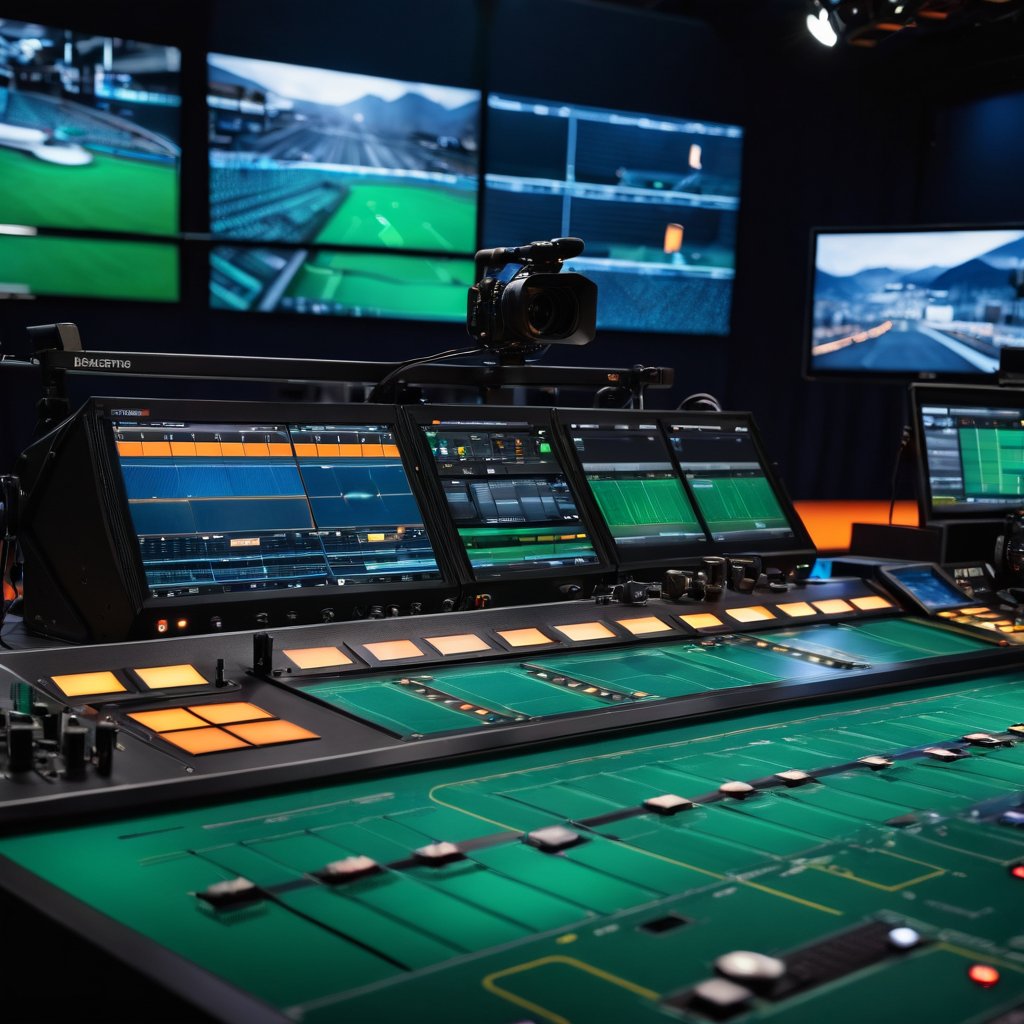
Multi-camera live streaming offers dynamic and engaging content but comes with its own set of streaming challenges that producers must navigate. One of the primary technical issues faced during multi-camera live production is maintaining synchronization across all camera feeds. If cameras fall out of sync, it can disrupt the viewer’s experience and reduce the professionalism of the broadcast.
Another common challenge is bandwidth management. Multi-camera setups require substantial upload capacity to stream multiple video feeds simultaneously. Insufficient bandwidth can lead to dropped frames, buffering, or reduced video quality, all of which negatively impact the stream’s reliability. Additionally, hardware malfunctions or software crashes can halt production, so having backup equipment and a tested contingency plan is essential.
Lighting and audio consistency across different camera angles also pose challenges. Variations in lighting or microphone placement can lead to noticeable differences in video and sound quality that detract from the overall stream cohesion. Producers must carefully plan camera positions, lighting setups, and audio capture to ensure a seamless experience.
To address these challenges, following best practices can significantly improve the quality of multi-camera live streams. First, thorough pre-production planning is key. Conducting technical rehearsals where all equipment is tested and proven to work together can prevent many common technical issues. This includes checking camera synchronization, audio levels, and network stability.
Using professional-grade streaming software and hardware designed for multi-camera setups also helps reduce technical glitches. Producers should leverage these tools’ built-in features such as automatic sync and bandwidth optimization to maintain stream quality. Having a dedicated technical team during the live production can quickly resolve issues as they arise without interrupting the broadcast.
Finally, keeping communication clear and continuous among the production crew ensures smooth coordination during the live event. Assigning roles and maintaining a communication channel for quick decision-making helps address unforeseen circumstances effectively. Integrating these live production tips can lead to a polished and engaging multi-camera live streaming experience, despite the inherent streaming challenges.
Common Technical Issues and Troubleshooting
Live streaming with multi-camera setups often faces several technical issues that can impact viewer experience. One frequent challenge is latency, which causes delays between the live action and the broadcast. High latency can make real-time interaction difficult, especially in live events. To troubleshoot latency, ensure your internet connection is stable and has sufficient upload speed. Using wired Ethernet instead of Wi-Fi can also help reduce latency issues.
Another common problem is sync problems between multiple camera feeds. When audio and video or different camera angles fall out of sync, it disrupts the viewing experience. To fix sync problems, use hardware or software tools designed for synchronization. Regularly check the timing settings in your streaming software, and consider using timecode synchronization if available.
Streaming errors such as dropped frames, buffering, or unexpected disconnections are also frequent. These errors often stem from bandwidth limitations or server overloads. Monitoring your encoder’s bitrate and adjusting it to match your network capacity can minimize errors. Additionally, choosing a reliable streaming platform with scalable servers can help reduce the risk of disconnections.
In summary, the key to overcoming these technical issues lies in preparation and continuous monitoring. Always test your equipment and network before going live, and keep diagnostics tools on hand to quickly identify and resolve streaming errors, latency, or sync problems during the broadcast.
Optimizing Production for Better Viewer Engagement
To boost viewer engagement in multi-camera live streams, it’s essential to focus on content optimization and interactive streaming techniques. Start by planning your camera angles strategically—alternate between close-ups, wide shots, and audience views to keep the visual experience dynamic and interesting. This variation not only captures attention but also enhances audience retention by providing a richer viewing experience.
Implementing real-time interaction features such as live polls, Q&A sessions, and chat overlays encourages viewers to participate actively rather than passively watch. Interactive streaming fosters a sense of community and connection, which significantly improves viewer engagement and keeps the audience coming back for more.
Additionally, optimize your stream’s content by closely monitoring which segments hold audience interest the longest and adjust future productions accordingly. Pay attention to pacing and avoid lengthy, monotonous shots that can cause viewers to lose interest. Incorporate graphics, highlights, and on-screen prompts to maintain a lively and engaging atmosphere throughout the broadcast.
Finally, ensure your technical setup delivers smooth transitions and stable video quality across all camera feeds. High-quality production values paired with thoughtful content optimization can dramatically increase viewer engagement and enhance overall audience retention during multi-camera live streams.

I have spent the last decade exploring the nuances of online gaming, from slot volatility to table game strategy, to understand what truly makes a casino platform stand out. My weekends are dedicated to testing different sites and bonus offers to provide clear, honest insights for fellow players. I focus on the practical aspects of gameplay and user experience to help others find the best entertainment value.