
Introduction to Online Poker and Casino Poker
When diving into the world of poker, players often encounter two primary formats: online poker and casino poker. Both offer exciting opportunities to engage with poker basics while enjoying a variety of poker variants. Understanding the nuances between these two can help players choose the environment that best fits their preferences and style of play.
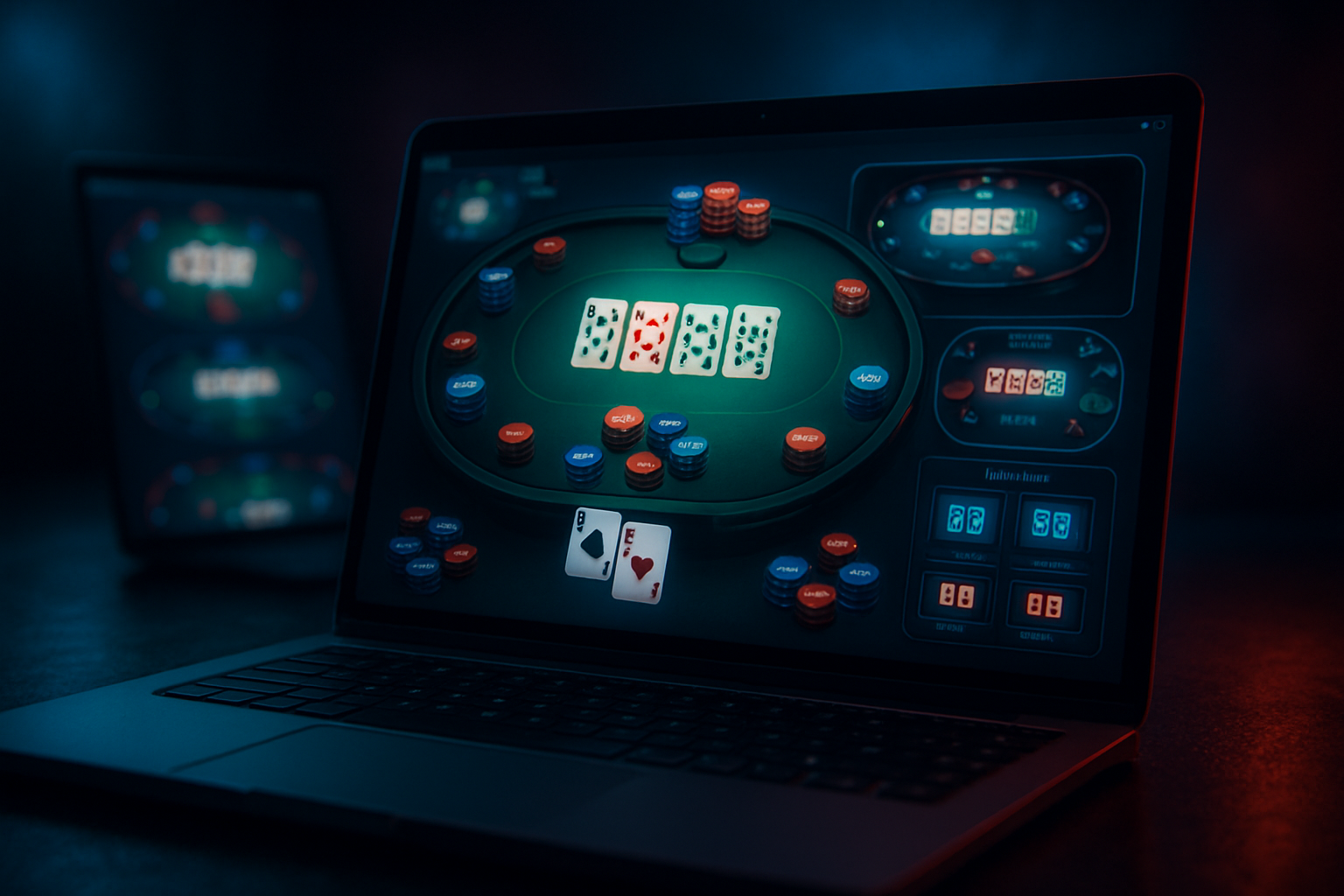
Online poker has revolutionized how the game is played by allowing players to connect and compete from virtually anywhere with an internet connection. The convenience of online poker platforms gives access to a vast community of players at all skill levels. These platforms typically offer multiple poker variants, including popular options such as Texas Hold’em, Omaha, and Seven-Card Stud. The ability to play multiple tables simultaneously and the availability of tournaments with varying buy-ins contribute to the broad appeal of online poker for both beginners and seasoned players.
In contrast, casino poker provides a more traditional and social experience. Played in physical venues, casino poker brings players together around the table, fostering face-to-face interaction that is central to the game’s enduring popularity. Casino poker rooms often feature classic poker variants, where players can enjoy a tactile gaming experience combined with the excitement of a lively casino environment. For many, the atmosphere of a casino adds an intangible thrill and a sense of occasion that online poker cannot replicate.
Both online poker and casino poker share core principles inherent in poker basics, such as strategic betting, reading opponents, and understanding hand rankings. However, the setting and method of play introduce distinct dynamics that influence game pace, player behavior, and overall experience. By exploring the key differences in these formats, players can better appreciate what each style brings to the table and decide how to best engage with the exciting world of poker.
Gameplay Differences Between Online and Casino Poker
When comparing gameplay differences between online poker play and casino poker play, several factors come into focus, particularly the pace of the game, player interaction, and adherence to poker rules. Each environment provides a distinct experience that affects how players approach their strategy and engagement at the table.

One of the most noticeable gameplay differences is the pace at which hands are dealt and decisions are made. Online poker platforms are designed to expedite the game, often dealing hands every few seconds to keep players continuously engaged. Automated dealing and preset move timers push the action forward rapidly, reducing downtime significantly. In contrast, casino poker play tends to be slower, as the dealer physically handles cards and chips while players take their time to assess the situation, place bets, and interact with others.
Interaction is another key element where gameplay differences between online poker and casino settings emerge. Online poker offers virtual chat functions and emoticons, but the human element is limited to typed messages or selected reactions. Casino poker play provides a social atmosphere where players can read body language, engage in banter, and observe opponents’ tells—a critical advantage for many. This direct interpersonal interaction can influence strategic decisions and adds a psychological layer absent from most online games.
Although the fundamental poker rules remain consistent across both platforms, there are subtle variations in rule enforcement and structure. Online poker software enforces rules automatically, eliminating disputes and ensuring fairness, but it sometimes streamlines certain aspects like bet sizing or table norms. Casino poker play relies on dealers and floor staff to enforce poker rules, which can introduce variability depending on the casino’s house rules. Additionally, casino games often include live elements such as rake collection and specific betting limits that may differ from online environments.
Overall, understanding these gameplay differences between online poker play and casino poker play can help players tailor their strategies and expectations. The fast-paced, convenience-driven nature of online poker appeals to those seeking action and volume, while the slower tempo and social interaction of casino poker enrich the experience for players who value human connection and live reading of opponents. Both platforms uphold the core poker rules but deliver a unique playing experience that caters to different preferences within the poker community.
Speed and Pace of the Game
One of the most noticeable differences between online poker and casino poker is the speed and pace of the game. Online poker is renowned for its fast game speed, largely due to software automation that handles dealing, betting, and other game mechanics instantly. This automation eliminates the delays often experienced in casino poker where dealers manually manage the game, resulting in a slower pace.
In a casino setting, the game pace tends to be slower because players must wait for the dealer to shuffle, deal cards, and collect bets. The physical handling of chips and cards, combined with the social interactions around the table, naturally prolongs each hand. Conversely, online poker platforms allow for rapid dealing and immediate bet processing, significantly speeding up the game.
Another factor contributing to the faster game speed in online poker is the ability to multitask and play multiple tables simultaneously. Players can engage in several games at once, which is impossible in a traditional casino environment. This feature not only accelerates the volume of hands played but also adds to the dynamic pace of the online poker experience.
Overall, the game speed and pace in online poker cater to those who prefer a quicker, more intense gameplay session, while casino poker offers a slower, more social atmosphere that emphasizes the tactile experience. Understanding these differences can help players choose the environment that best suits their playing style and preferences.
Social Interaction and Atmosphere
One of the most striking differences between online poker and casino poker lies in the social interaction and overall atmosphere each setting provides. Casino poker offers a unique, face-to-face experience where players can engage with each other directly, read body language, and enjoy the lively energy of a physical environment. This in-person interaction cultivates a rich poker atmosphere that many enthusiasts find unmatched by digital alternatives.
In contrast, online poker often relies on virtual interfaces that limit social interaction. While online poker chat features allow players to communicate through text or emojis, the conversation can feel less personal and sometimes superficial. The absence of physical presence and non-verbal cues means players must rely more heavily on game strategy and intuition rather than reading opponents’ physical tells. This results in a fundamentally different social dynamic compared to the vibrant casino poker experience.
Despite these differences, online poker platforms continue to innovate, aiming to recreate the social atmosphere of live poker rooms through enhanced chat functions, video streams, and interactive elements. Nevertheless, the spontaneous camaraderie and palpable tension found in a casino poker room remain challenging to replicate online. Ultimately, choosing between online poker and casino poker often depends on how much value a player places on the social interaction and immersive poker atmosphere inherent in each setting.
Accessibility and Convenience
When comparing online poker and casino poker, one of the most significant differences lies in accessibility and poker convenience. Online poker offers unparalleled accessibility, allowing players to join games and tournaments from virtually anywhere with an internet connection. This play anywhere capability transforms the way enthusiasts engage with the game, eliminating the constraints typically associated with physical locations and casino operating hours.
Online poker access is available 24/7, giving players the freedom to log in at any time that suits their schedule. Whether it’s early morning or late at night, players can find active tables without worrying about when a casino might open or close. This level of convenience is especially valuable for those balancing busy lifestyles, as it removes the need to travel or coordinate with casino timings.
In contrast, casino poker requires players to be physically present at a venue, which often limits access to certain hours dictated by the casino’s operating schedule. For many, this means traveling to the casino, dealing with parking, wait times, and other logistical challenges. Additionally, some regions have fewer poker venues available, making casino poker less accessible for people living outside major cities or gambling hubs.
This geographic limitation poses a significant barrier to entry, especially when compared to the instant availability of online poker. Players no longer need to plan their day around casino visits or worry about missing out due to distance or transportation issues. With online platforms, the game’s convenience is built into the experience, catering to a broad audience with diverse schedules and locations.
Moreover, the accessibility of online poker encourages a more casual approach to the game. Players can opt to play short sessions on mobile devices without the commitment that casino poker often demands. This flexibility is a cornerstone of poker convenience, allowing both new and seasoned players to engage with the game on their terms.
In summary, online poker vastly outperforms casino poker in terms of accessibility and convenience. The ability to play anywhere, at any time, breaks down traditional barriers and expands the poker experience beyond the physical confines of brick-and-mortar casinos. This accessibility is a defining factor for many players choosing between the two formats, making online poker a preferred option for those seeking flexibility and ease of access.
Security and Fairness in Online vs Casino Poker
When it comes to poker security and fair play, both online poker and casino poker offer unique advantages and challenges. Players often wonder which format ensures better protection against cheating and provides a truly fair gaming environment. Understanding how regulatory oversight, technology, and human elements contribute to security and fairness can help in making an informed decision.
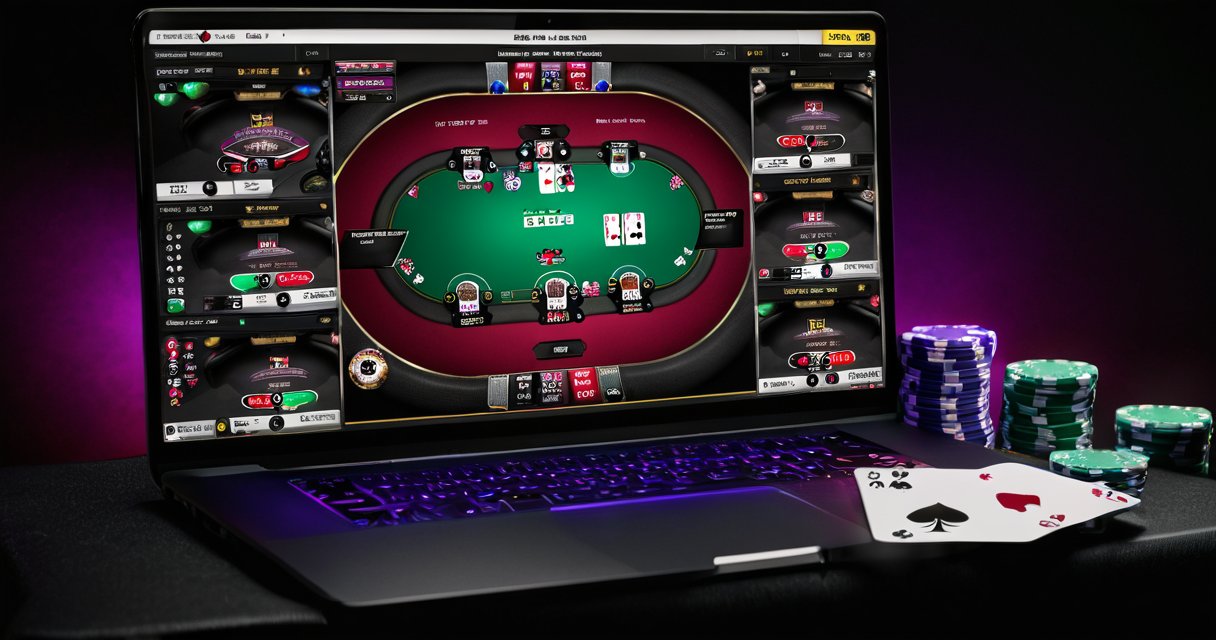
Online poker safety is heavily dependent on robust software and regulatory frameworks. Licensed online poker platforms are subject to stringent regulations by gaming authorities, which mandate the use of Random Number Generators (RNGs) to ensure card shuffling is entirely random and unbiased. These RNGs undergo frequent and independent testing by third-party auditors to maintain transparency and uphold fair play standards. Additionally, online sites implement advanced encryption technologies to protect players’ personal data and financial transactions, which further enhances poker security.
In contrast, casino poker trust is built on the physical presence of professional dealers and the oversight of casino staff. The integrity of the dealer is paramount, as all card distribution and game procedures occur in real time under continuous surveillance. Casino poker rooms often use multiple layers of monitoring, including floor managers and security cameras, to detect and prevent any suspicious activity. This human element adds a distinct layer of transparency that many players find reassuring.
While online poker relies on software and algorithms, casino poker emphasizes the importance of dealer integrity and live monitoring. Both settings operate under strict regulatory frameworks designed to protect players and promote fair play. Many players trust casinos because of their long-established reputations and visible oversight. Meanwhile, the online poker industry has made significant advancements in enhancing poker security through technological measures and regulatory compliance.
Ultimately, whether choosing online poker or casino poker, players should seek platforms and venues with strong credentials in security and fairness. Verifying licenses, understanding the role of RNGs in online games, and observing the professionalism of casino dealers can help players enjoy a safe and fair poker experience.

I have spent the last decade exploring the nuances of online gaming, from slot volatility to table game strategy, to understand what truly makes a casino platform stand out. My weekends are dedicated to testing different sites and bonus offers to provide clear, honest insights for fellow players. I focus on the practical aspects of gameplay and user experience to help others find the best entertainment value.