

When Russian-speaking players log into Punt Casino, they often see the Curacao eGaming seal in the footer and wonder whether that offshore license is as safe as a local one from Roskomnadzor or the Malta Gaming Authority. The choice between offshore and locally licensed casinos shapes everything from withdrawal speeds to bonus terms, so it makes sense to compare them side by side. Below we break down the key differences in language that Russian players will recognize, using Punt Casino as the main example and other well-known names where they help clarify the picture.
Licensing Jurisdictions and What They Actually Regulate
Offshore licenses like Curacao eGaming or the Kahnawake Gaming Commission are issued by small island nations or First Nations territories that specialize in low-tax, high-volume online gambling. Curacao, for instance, has only one master license that is then sub-licensed to hundreds of operators, including Punt Casino. The regulator’s main job is to verify that the casino software is fair, that player funds are segregated, and that anti-money-laundering checks are in place. It does not, however, enforce local advertising bans, age-verification rules for specific countries, or mandatory contributions to problem-gambling funds. In contrast, a local license from Roskomnadzor in Russia or the UK Gambling Commission requires the casino to follow every national law on advertising, taxation, and responsible gambling, which can add significant compliance costs.
At Punt Casino, the Curacao license number 1668/JAZ is displayed prominently, but the site does not have to comply with Russian advertising restrictions. This means you will see Punt ads on Telegram channels and YouTube streams that a locally licensed casino would never be allowed to run. The trade-off is that the Curacao regulator does not intervene in individual disputes as quickly as a local authority would. If a Russian player feels they were unfairly treated, they can file a complaint with the Curacao Gaming Control Board, but the process can take weeks and the decision is not binding in Russian courts.
Bonus Terms and Wagering Requirements
Offshore casinos tend to offer more generous welcome packages because they are not bound by local caps on bonus amounts or wagering multipliers. Punt Casino, for example, routinely gives new players a 100% match up to 100 000 rubles plus 150 free spins, with a 40x wagering requirement on both the deposit and the bonus. Locally licensed casinos in Russia, on the other hand, are limited to a 100% match up to 50 000 rubles and a 30x wagering requirement by Roskomnadzor guidelines. The higher offshore numbers look attractive, but they come with a catch: offshore casinos often exclude certain games from contributing to the wagering requirement. At Punt, live dealer tables and some high-volatility slots only count 10% toward the 40x rollover, so clearing the bonus takes longer than the headline number suggests.
Another difference is the speed at which bonuses are credited. Offshore casinos like Punt process welcome bonuses instantly, while locally licensed operators must run additional identity checks before releasing any promotional funds. This extra step can delay the bonus by 24 to 48 hours, which frustrates players who want to start playing immediately. On the flip side, if a locally licensed casino withholds a bonus, the player can escalate the issue to Roskomnadzor and expect a resolution within five business days, whereas offshore disputes can drag on for weeks.
Payment Methods and Withdrawal Speeds
Russian players at offshore casinos enjoy a wider range of payment options, including cryptocurrencies like Bitcoin and USDT, which are not always available at locally licensed sites. Punt Casino, for instance, supports deposits and withdrawals via Qiwi, YooMoney, bank cards, and several crypto wallets, with minimum withdrawal limits as low as 500 rubles for crypto and 1 000 rubles for traditional methods. Locally licensed casinos, however, are required to use only Russian-approved payment processors, which often exclude crypto and impose higher minimum withdrawal thresholds of 3 000 to 5 000 rubles. This makes offshore casinos more convenient for players who prefer small, frequent cashouts.
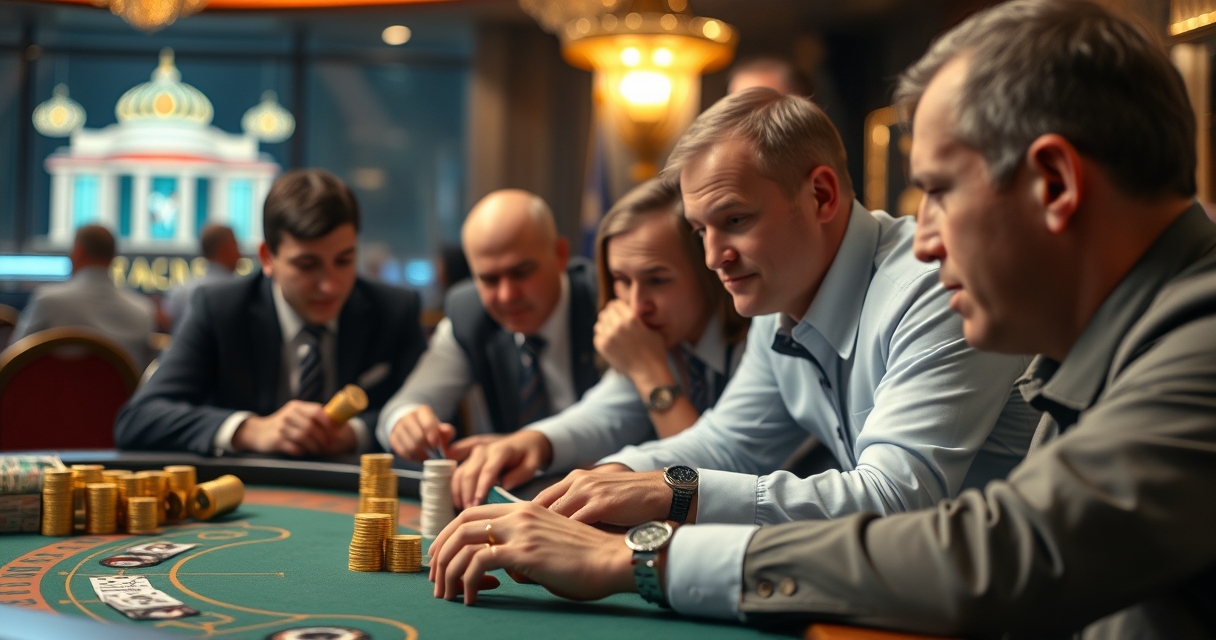
Withdrawal speeds also differ significantly. Offshore casinos like Punt typically process crypto withdrawals within 15 to 30 minutes and e-wallet withdrawals within 24 hours. Bank transfers, however, can take up to five business days. Locally licensed casinos are subject to Russian banking regulations, which mandate a 24-hour hold on all withdrawals for anti-fraud checks, regardless of the payment method. This means that even a Qiwi withdrawal at a locally licensed casino will take at least one full day, whereas Punt can release the same withdrawal in under an hour if the player uses USDT. The trade-off is that offshore casinos have no legal obligation to reverse a withdrawal once it is processed, while locally licensed operators must honor chargeback requests from Russian banks.
Game Selection and Software Providers
Offshore casinos generally offer a larger and more diverse game library because they are not restricted by local content laws. Punt Casino, for example, features over 5 000 games from providers like NetEnt, Microgaming, Play’n GO, and Pragmatic Play, including titles that are banned in Russia, such as Book of Dead and Wolf Gold. Locally licensed casinos, however, must obtain separate approval for each game from Roskomnadzor, which slows down the addition of new titles. As a result, many locally licensed casinos in Russia have game libraries of only 800 to 1 200 titles, with a heavy focus on domestic providers like Igrosoft and Novomatic.
Another advantage of offshore casinos is the availability of live dealer games with Russian-speaking dealers. Punt Casino offers live blackjack, roulette, and baccarat tables with dealers who speak Russian, which is rare at locally licensed casinos. The latter are required to use only Russian-language interfaces, but they often lack the budget to hire native-speaking dealers, leading to a less immersive experience. Additionally, offshore casinos can offer progressive jackpot slots with larger prize pools because they pool players from multiple countries, whereas locally licensed casinos must run separate jackpot networks that are limited to Russian players only.
Player Protection and Dispute Resolution
Locally licensed casinos in Russia are required to participate in the Unified State Gambling Regulator’s dispute-resolution system, which guarantees a response within five business days and enforces decisions through Russian courts. If a player at a locally licensed casino feels they were cheated, they can file a complaint with Roskomnadzor and expect a binding resolution. Offshore casinos, however, rely on their licensing authority’s dispute process, which is slower and less enforceable. Punt Casino, for example, directs players to the Curacao Gaming Control Board, which can take up to 30 days to investigate a complaint. Even if the board rules in the player’s favor, the casino is not legally obligated to comply, and Russian courts will not enforce the decision.
Another layer of protection at locally licensed casinos is the mandatory deposit insurance. Russian law requires all locally licensed operators to contribute to a compensation fund that covers player deposits up to 100 000 rubles in case the casino goes bankrupt. Offshore casinos like Punt have no such requirement, so if the casino were to shut down unexpectedly, players would have no legal recourse to recover their funds. This risk is mitigated somewhat by the fact that offshore casinos often use third-party payment processors that hold player funds in segregated accounts, but the protection is not as robust as the Russian deposit insurance system.
Taxation and Financial Transparency
One of the biggest advantages of offshore casinos for Russian players is the absence of gambling winnings tax. In Russia, locally licensed casinos must withhold 13% of any winnings over 4 000 rubles and report the income to the Federal Tax Service. Offshore casinos, however, do not withhold taxes or report winnings to Russian authorities, which means players keep the full amount. This is particularly beneficial for high rollers who regularly cash out large sums. Punt Casino, for example, does not deduct any taxes from withdrawals, and players are responsible for declaring their winnings to the Russian tax authorities if they choose to do so.

Financial transparency is another area where offshore and locally licensed casinos differ. Locally licensed casinos in Russia must submit monthly financial reports to Roskomnadzor, which are publicly available and audited by independent firms. This level of transparency helps players verify that the casino is financially stable and not engaged in fraudulent activities. Offshore casinos, however, are not required to disclose their financials publicly. While reputable offshore operators like Punt undergo regular audits by third-party firms like eCOGRA or iTech Labs, these reports are not always made available to players. This lack of transparency can make it harder for players to assess the financial health of an offshore casino.
Geographic Restrictions and Accessibility
Offshore casinos like Punt are accessible to players in Russia without any geographic restrictions, as long as the player uses a VPN or a mirror site if the main domain is blocked. Locally licensed casinos, however, are only available to players within Russia and are subject to periodic blocks by Roskomnadzor if they violate advertising or content rules. This makes offshore casinos a more reliable option for players who travel frequently or live in regions where locally licensed sites are unavailable. Additionally, offshore casinos often offer mobile apps and optimized mobile sites, while locally licensed casinos are required to use only web-based platforms approved by Roskomnadzor, which can be slower and less user-friendly.
Another accessibility advantage of offshore casinos is their support for multiple languages and currencies. Punt Casino, for example, offers a fully localized Russian interface, customer support in Russian, and the ability to deposit and withdraw in rubles. Locally licensed casinos, however, are limited to Russian-language interfaces and ruble transactions, which can be inconvenient for players who prefer to use other currencies or languages. This flexibility makes offshore casinos a better choice for expats and international players who want a seamless gaming experience.
I have spent the last decade exploring the nuances of online gaming, from slot volatility to table game strategy, to understand what truly makes a casino platform stand out. My weekends are dedicated to testing different sites and bonus offers to provide clear, honest insights for fellow players. I focus on the practical aspects of gameplay and user experience to help others find the best entertainment value.