
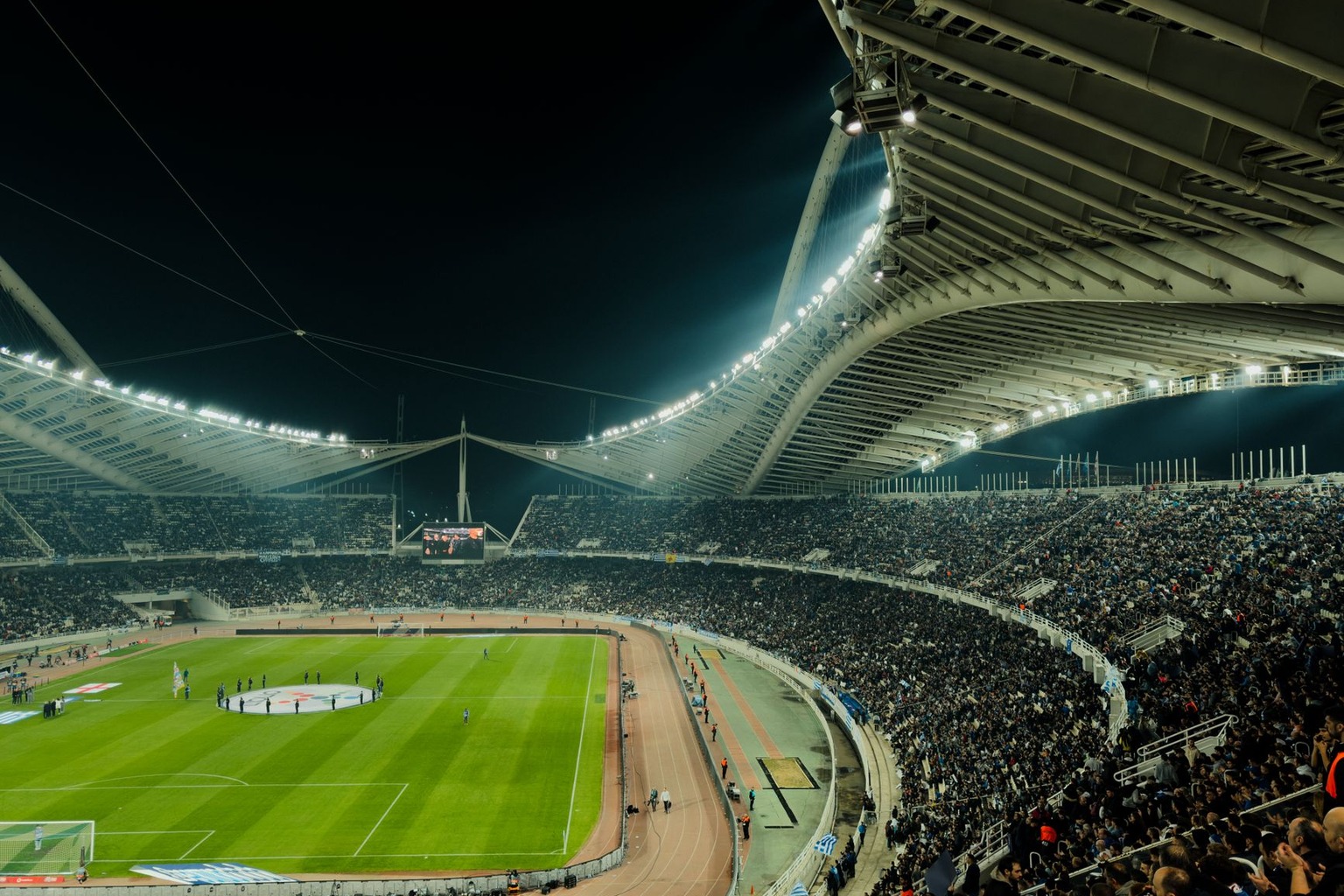
Planning leisure time around the Greek Super League and European club competitions requires a deliberate approach to avoid schedule conflicts that often lead to missed key fixtures. The 2025-26 season introduces overlapping windows where domestic league matches collide with UEFA Champions League, Europa League, and Conference League tie nights, making spontaneous viewing nearly impossible for committed fans. Services like Sportlemon help organize this fragmented data by aggregating verified kick-off times and broadcasting details into a single, accessible interface that respects the viewer’s calendar rather than forcing them to adapt to a random stream of notifications.
Mapping the seasonal collision points
The football calendar is not linear, and understanding where major tournaments overlap with domestic league play is the first prerequisite for effective planning. The Greek Super League typically operates on a standard weekend schedule, but European nights in midweek create specific friction points that repeat every few weeks. Fans who do not map these overlaps in advance often find themselves choosing between a local derby and a European tie, a decision that becomes increasingly difficult as the season progresses into its competitive phases.
Midweek European fixtures usually fall on Tuesdays, Wednesdays, and Thursdays, with kick-off times varying by competition and broadcast block. The Champions League tends to cluster matches in later time slots, while lower-tier European competitions often start earlier to accommodate a wider range of national broadcasters. Understanding side bets in live casino games can enhance your betting strategy and improve your chances of winning.
Domestic cup competitions add another layer of complexity, as they are often scheduled on midweek dates that do not align with European fixtures. When a Greek Super Cup match or a domestic cup tie falls on the same night as a continental competition, the scheduling pressure doubles. Creating a visual calendar that marks these triple-threat weeks helps you prioritize which matches are truly non-negotiable for your viewing routine and which can be caught later via highlights or delayed streams.
Building a personal fixture priority list
Not all matches carry the same weight in terms of entertainment value, and treating every game as equally important leads to viewer fatigue by mid-season. Establishing a clear hierarchy based on competitive stakes, team performance, and personal interest helps you allocate your limited leisure hours more effectively. Start by identifying your primary teams in the Greek league and noting which of their European opponents are in direct contention for progression in the group or knockout stages.
Secondary priorities should include rival matches that offer high emotional stakes regardless of competitive necessity, as well as key player watch-lists that might prompt you to tune in even if your team is not playing. For example, a match featuring a star striker from a rival club might be worth more attention than a routine league game where the outcome is already decided. This tiered approach ensures that your most valuable evening hours are spent on content that genuinely engages you rather than on obligatory viewing.
Tertiary matches, often involving teams in the lower half of the table with little to play for, can be scheduled for background listening or brief highlight checks rather than full live viewing. This is not a dismissal of these games but a practical acknowledgment of finite energy levels. By categorizing fixtures into must-watch, nice-to-watch, and optional categories, you create a flexible framework that adapts to your weekly workload and personal commitments without feeling like a rigid chore.
Managing timezone differences for European ties
European club competitions often feature matches at kick-off times that are less convenient for local audiences, particularly when Greek teams travel to time zones with significant differences. While most European fixtures fall within standard evening hours for mainland Greece, some away legs in Northern or Eastern Europe may start earlier or later than ideal. Understanding the specific kickoff windows for your favorite teams’ away trips allows you to plan around these variations rather than being caught off guard by an unusual schedule.
The difference between a 19:45 and a 21:00 kick-off might seem minor, but it significantly impacts your ability to prepare, settle in, and stay alert for the full duration of the match. Early kick-offs may conflict with dinner or family time, while late ones can disrupt sleep patterns if followed by a long post-match discussion. Setting alarms not just for the start of the match but for the pre-match warm-up period helps you transition into viewing mode smoothly, ensuring you do not miss the tactical nuances of the first few minutes.
For fans following multiple leagues across Europe, the cumulative effect of varying time zones can lead to a chaotic schedule that feels unmanageable. Grouping your viewing sessions by day of the week rather than by team helps create consistency. If you designate Tuesday nights for Champions League watching and Wednesday nights for Europa League, your body and mind adapt to these specific windows, making it easier to stay engaged even when the quality of the matches varies.
Selecting reliable broadcast sources
The reliability of your streaming source is as important as the schedule itself, as technical failures during a key moment can ruin the entire evening. Greek football broadcasts are often subject to complex licensing agreements that change between seasons and even between individual matchdays. Before the season begins, verify which platforms hold the rights to transmit your specific teams’ matches, both domestically and in European competitions.

Official broadcaster apps and websites tend to offer the most stable streams, though they may come with higher subscription costs or ad-supported free tiers that interrupt the action at inopportune moments. Third-party aggregators can be useful for finding legal, low-latency options, but you must ensure they are authorized to carry the specific rights holders’ content. Checking user reviews and technical specifications for each platform helps you anticipate potential buffering issues or latency delays that could affect your viewing experience.
Having a backup plan is essential, especially during high-stakes matches where internet stability might be compromised by peak usage times. Keep a secondary device charged and connected to a different network, such as mobile data, in case your primary home connection drops. This redundancy ensures that a temporary technical glitch does not turn into a missed match, allowing you to remain focused on the game rather than troubleshooting connectivity issues.
Scheduling pre-match preparation routines
The ten minutes before a kick-off are critical for mental engagement, and rushing into a match without a brief preparation period reduces your ability to follow the tactical flow. Instead of scrolling through social media notifications as the team walks out, use this time to review recent form, check line-up announcements, and note any key absences due to injury or suspension. This short ritual helps you enter the game with a clear understanding of what to expect and where to look for key developments.
For Greek Super League matches, local news sources often provide detailed pre-match analysis that highlights specific player matchups or tactical changes from previous weeks. Reading one or two credible articles before the match starts gives you context that enhances your viewing experience without taking too much time away from actual rest. This preparation should be brief, no more than five to ten minutes, to avoid over-intellectualizing a game that is ultimately meant to be enjoyed.
Physical comfort also plays a role in sustained attention, and setting up your viewing environment before the match starts prevents mid-game distractions. Ensure your seating is comfortable, your lighting is dimmed to reduce eye strain, and any necessary snacks or drinks are within reach. These small adjustments create a dedicated space for football that signals to your brain it is time to focus, helping you stay engaged through the full ninety minutes plus stoppage time.
Handling mid-week fatigue and recovery
Watching matches on midweek evenings after a full day of work or study can lead to significant fatigue, which diminishes both enjoyment and attention span. Recognizing your personal energy levels and planning accordingly prevents burnout over the long season. If you find yourself dozing off during the second half, it is a signal that you need to adjust either the timing of your viewing or the intensity of your pre-match activities.

Incorporating short breaks during halftime can help reset your focus without breaking the momentum of the evening. Use this time to stretch, hydrate, or check for key statistics that might not be visible on the broadcast itself. This break also provides a natural pause to reflect on the first half’s performance, allowing you to engage more critically with the second half rather than passively watching the screen.
Recovery after a match is often overlooked, but processing the emotions of a win or loss takes time and mental energy. Avoid immediately jumping into another leisure activity that requires high cognitive load, such as intensive gaming or reading complex material. Instead, allow yourself a period of wind-down, whether that involves discussing the game with friends or simply sitting quietly to let the adrenaline subside before transitioning to sleep.
Adapting to unexpected schedule changes
Football schedules are notoriously fluid, with matches occasionally postponed due to weather, security concerns, or broadcast conflicts. Having a flexible plan in place for these changes prevents frustration and last-minute scrambling. Subscribe to official league and club notifications that push updates directly to your device, ensuring you are the first to know if a kick-off time shifts by even an hour.
When a match is moved to a less convenient time, reassess whether it still fits within your priority framework or if it should be rescheduled for later viewing. If the new time conflicts with a major personal commitment, consider watching the highlights afterward rather than forcing a live view that you will not be able to enjoy fully. This flexibility ensures that your leisure time remains restorative rather than stressful.
Communication is key if you share your football viewing with friends or family members who also follow the same teams. Establish a group chat or shared calendar where schedule changes are posted immediately, allowing everyone to adjust their plans simultaneously. This collective approach reduces the cognitive load on any single individual and ensures that no one is left confused about when to tune in.
Integrating social viewing opportunities
Football is inherently social, and planning around match schedules allows you to coordinate group watch parties that enhance the overall experience. Knowing the kick-off times well in advance gives you enough lead time to invite friends, arrange food, and set up a suitable viewing environment in shared spaces. The anticipation of a collective viewing experience often adds as much value to the evening as the match itself.
For high-stakes European ties, many fans organize pub crawls or home gatherings that start before the match and continue well after the final whistle. These events provide a natural structure for leisure time, giving you a reason to be social and engaged without the pressure of spontaneous planning. Ensure that your schedule accounts for travel time to these locations, arriving early enough to settle in before the teams take the field.
Balancing social commitments with solo viewing time is also important, as not every match needs to be watched with a group. Designating certain weeks for solo focus allows you to immerse yourself in the tactical details without the noise of conversation or distraction. This balance between communal and individual experiences keeps your engagement fresh and prevents the routine from becoming monotonous over the course of a long season.

I have spent the last decade exploring the nuances of online gaming, from slot volatility to table game strategy, to understand what truly makes a casino platform stand out. My weekends are dedicated to testing different sites and bonus offers to provide clear, honest insights for fellow players. I focus on the practical aspects of gameplay and user experience to help others find the best entertainment value.