
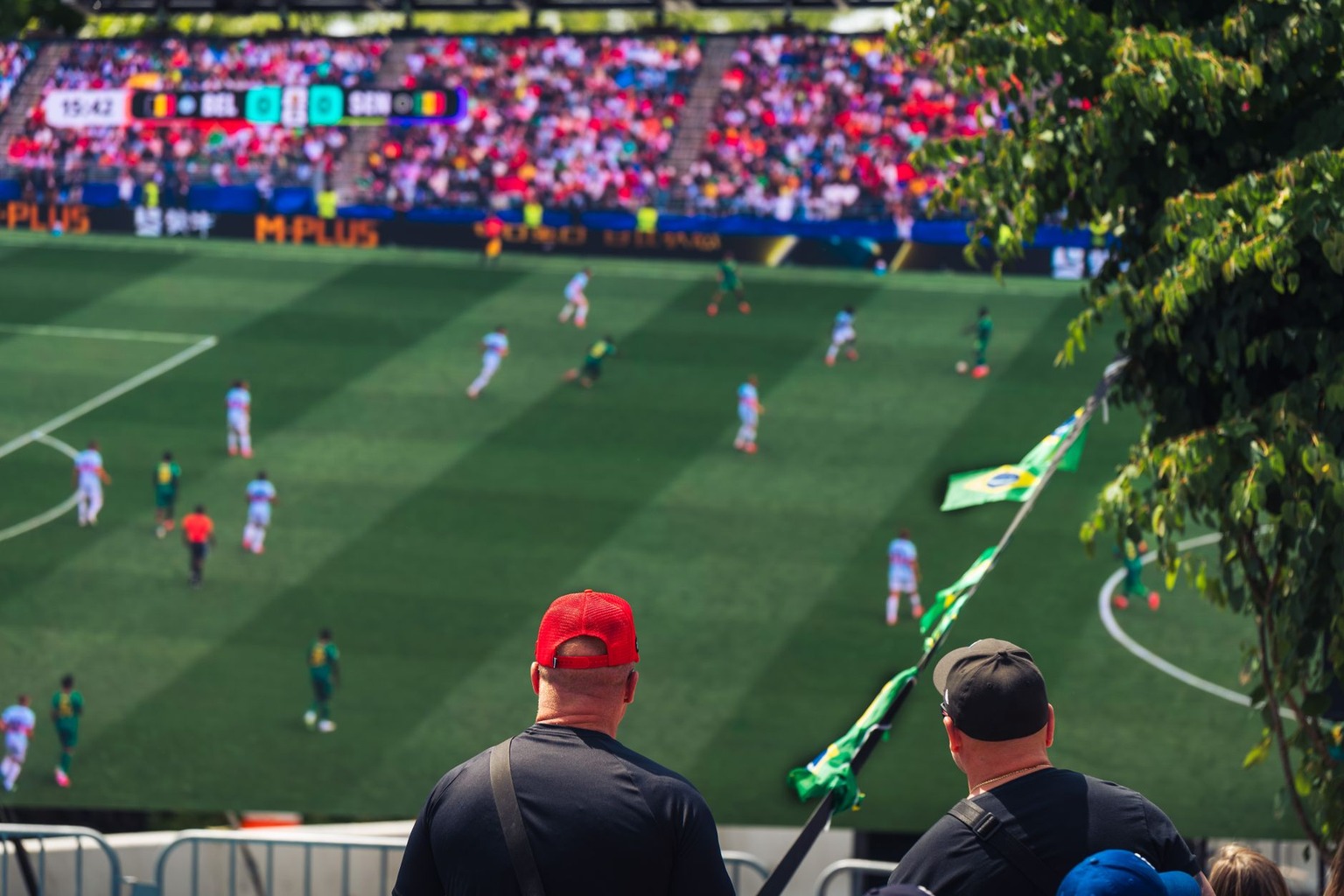
The Super League era has transformed Greek football into a vibrant, unpredictable force, with clubs like Olympiacos and AEK Athens regularly competing in Europe’s elite competitions. For fans looking to blend their passion for the game with smart leisure planning, aligning daily activities around the Greek Super League and domestic cup calendar can turn matchdays into a seamless part of life. Whether you’re a die-hard supporter or simply enjoy the spectacle of Greek football, understanding how to structure your time around fixtures, from pre-match rituals to post-game recovery, can make the experience even more rewarding. Platforms like Sport24 provide real-time updates and insights that help fans stay ahead, ensuring they never miss a moment of the action, whether it’s a last-minute transfer or a dramatic last-minute goal.
The Greek Super League Calendar: Key Dates to Bookmark
The Greek Super League runs from late July through early June, with a break during the summer months for international competitions. The season kicks off in late July with a series of friendly matches, followed by the official opener in early August. Fans should note that the league schedule is structured in two halves, with a winter break in December and January, allowing for a natural pause in the action. The Super League also features a play-off system for European qualification, meaning the final few weeks of the season can be just as intense as the early months. For those planning leisure activities, marking these dates on a calendar, especially the winter break and the final play-off rounds, helps avoid scheduling conflicts. The Super League’s fixture list is typically released in June, so fans should check their preferred sports portal, like Sport24, for the most up-to-date schedule to avoid missing any critical matches.
Domestic cup competitions, such as the Greek Cup and the Super Cup, add another layer of excitement to the calendar. The Greek Cup begins in September and runs through May, with knockout rounds creating unpredictable matchups that can extend into the summer. The Super Cup, played annually in late July or early August, often features high-stakes clashes between league champions and cup winners, making it a must-watch event. Planning around these cups means adjusting leisure plans to accommodate potential late-night or weekend fixtures, as cup matches can sometimes fall outside the standard league schedule. For example, a Greek Cup quarterfinal might clash with a league match on the same weekend, requiring fans to prioritize their viewing preferences. Using a digital calendar app with color-coded events, where Greek football fixtures are highlighted, can help manage these overlaps efficiently.
The Super League’s international break, typically in October and November, coincides with the UEFA Champions League and Europa League group stages. Greek clubs like Olympiacos and PAOK often compete in these tournaments, so fans should account for potential travel or streaming demands during these periods. The winter break, from mid-December to early January, offers a rare respite from league football, making it an ideal time for fans to catch up on other hobbies or travel plans. However, the return of domestic football in January means the calendar quickly fills up again with league matches and cup fixtures. By anticipating these patterns, fans can structure their leisure time to avoid burnout and fully enjoy the Greek football season without feeling overwhelmed.
Pre-Match Preparations: Setting the Stage for Enjoyment
Understanding roulette betting strategies, such as inside vs outside bets, can significantly improve your chances of success. When engaging in online gambling, prioritizing safe gambling online practices helps avoid scams and ensures a secure experience. To understand how quickly you can expect winnings, it’s important to know about online casino payout times and their typical processing periods. Additionally, setting up a dedicated viewing area with comfortable seating and minimal distractions can make the experience more immersive. Some fans opt for a themed setup, such as displaying team flags or jerseys, to create a festive atmosphere. Platforms like Sport24 often provide live stats and player updates, so having these accessible on a secondary device can enhance the viewing experience by keeping fans informed without interrupting the game.
Food and drink play a significant role in pre-match rituals for many fans. A classic Greek football viewing session might include meze, olives, and local beers or wines, which pair well with the anticipation of the match. However, it’s important to avoid heavy meals right before kickoff, as they can lead to discomfort during the game. Instead, opt for lighter snacks like nuts or fruit to keep energy levels steady. Hydration is also key, especially during longer matches or in warmer months. Some fans even prepare a playlist of Greek music or hype songs to build excitement before the match starts. For those watching in public spaces, such as a sports bar, ordering in advance can save time and ensure you’re not left waiting during halftime or after a dramatic goal.
Technical preparations are equally important for a smooth viewing experience. Before choosing an online casino, it’s crucial to know how to evaluar reseñas de casinos and verify their legitimacy. Some platforms may require a subscription, so budgeting for these costs in advance can prevent last-minute surprises. For those planning to watch on a big screen, such as a TV or projector, test the setup beforehand to avoid technical issues during the match. Additionally, having a backup plan, like a second streaming device or a local sports channel, can be a lifesaver if your primary source experiences glitches. Sport24 and other sports portals often provide troubleshooting guides for common streaming issues, so familiarizing yourself with these resources can save time and frustration on matchday.
During the Match: Maximizing the Experience
Once the match begins, staying fully engaged requires more than just watching the game, it’s about immersing yourself in the atmosphere. For die-hard fans, this might mean following along with live commentary on a secondary device, whether it’s a phone or tablet. Many sports platforms, including Sport24, offer live stats, player heatmaps, and tactical breakdowns that can add depth to the viewing experience. These features help fans understand the nuances of the game beyond just the score, especially in high-stakes matches where tactical decisions can make or break a team’s performance. For example, tracking a player’s passing accuracy or defensive errors can provide insights that enhance appreciation of the game’s complexity.

Social interaction is another key element of enjoying Greek football matches. Whether you’re watching with friends, family, or fellow fans in a public space, sharing reactions to key moments, like a last-minute equalizer or a controversial referee decision, can make the experience more dynamic. Many fans use group chat apps or social media to discuss the game in real time, creating a sense of community. However, it’s important to set boundaries to avoid distractions. For instance, keeping phone notifications on silent during the match can prevent interruptions from non-football-related messages. If you’re watching alone, joining online fan forums or watching with a virtual viewing party can replicate the social energy of a packed stadium.
For those who enjoy analyzing football, the match itself is an opportunity to engage with deeper aspects of the game. Many platforms offer post-match highlights, tactical reviews, and expert commentary that can be watched or read afterward. Taking notes on key moments, such as a player’s standout performance or a coach’s strategic shift, can be a rewarding way to reflect on the game. Some fans even create personal highlight reels or watch replays to study specific plays. This level of engagement not only enhances enjoyment but also deepens understanding of the sport. For example, watching how Olympiacos’ midfield dictates play can provide insights into their recent form, which is valuable for predicting future matches.
Post-Match Activities: Recovery and Reflection
After the final whistle, the transition from match mode to post-game leisure is crucial for avoiding burnout. For fans who have been glued to the screen for hours, taking a short break to stretch or walk around can help reset the mind. Physical activity, even something as simple as a short walk, can reduce stress and improve mood after an intense match. Hydration is also important post-game, as dehydration can lead to fatigue and headaches. Some fans prefer a light meal or snack after the match to refuel, while others might opt for a more substantial dinner to celebrate a victory or commiserate over a defeat. The key is to avoid overindulging in heavy foods, which can lead to discomfort during subsequent matches.
Reflecting on the match is another valuable post-game activity. Reviewing highlights, reading expert analysis, or discussing the game with fellow fans can provide closure and context. Many sports platforms, including Sport24, offer post-match interviews with players and coaches that can offer unique insights into the team’s mindset and strategies. Taking notes on these discussions can help fans track their favorite teams’ progress throughout the season. For those who enjoy writing, keeping a season journal, where you record key moments, player performances, and personal reactions, can be a fulfilling way to document the journey. This practice not only enhances enjoyment but also allows for year-end reflection on how far the teams have come.
If the match was particularly emotional, whether due to a dramatic win, a heartbreaking loss, or a controversial decision, some fans may need time to process their feelings. Engaging in a calming activity, such as listening to music, reading, or spending time in nature, can help manage emotions. For those who feel overwhelmed by the intensity of the season, scheduling regular breaks, such as a midweek off from football-related activities, can prevent emotional exhaustion. It’s also important to recognize when to step away from the game entirely, especially during periods of high stress or personal commitments. By balancing post-match activities with self-care, fans can ensure that their enjoyment of Greek football remains sustainable throughout the season.
Planning Around International Breaks and Off-Seasons
The international break in October and November is one of the most significant periods in the Greek football calendar, as it coincides with the UEFA Champions League and Europa League group stages. During this time, Greek clubs like Olympiacos and PAOK often compete in Europe, meaning fans may need to adjust their schedules to accommodate late-night or early-morning matches. For example, a Champions League game could kick off at 7:00 PM local time but end at 11:00 PM, requiring fans to plan their evenings accordingly. Streaming these matches may also require additional bandwidth, so ensuring your internet connection is robust is essential. Some fans opt to watch these games in a sports bar or with friends to make the experience more social, while others prefer to stream at home with a relaxed setting.
The off-season, which spans from June to late July, offers a rare opportunity to step back from football and focus on other hobbies or travel plans. However, this period is also when Greek clubs often hold pre-season friendlies and training camps, which can be exciting for fans to follow. Watching these matches can provide early insights into a team’s form and tactics for the upcoming season. For example, a pre-season friendly between Olympiacos and a top European club can reveal how the team is preparing for the challenges ahead. Fans can use this time to catch up on other sports or leisure activities, knowing that the Greek football season will resume shortly. Planning a summer trip during this period can also be rewarding, as many fans use the break to travel to stadiums or attend international tournaments.
For those who enjoy deeper engagement with the sport, the off-season is an ideal time to explore football-related content beyond live matches. Watching documentary series about Greek football history, reading books on tactical analysis, or attending football camps can be enriching. Many sports platforms, including Sport24, offer archives of past matches and interviews that can be revisited during this period. Additionally, the off-season is a great time to connect with other fans through online communities or local clubs, which can foster a sense of belonging and shared passion. By treating the off-season as a period of exploration rather than inactivity, fans can return to the league with renewed enthusiasm and knowledge when the season resumes.
Common Mistakes to Avoid When Planning Around the Calendar
One of the most common mistakes fans make is underestimating the impact of international breaks on their schedules. For example, a Champions League match in November might clash with a domestic league fixture, leaving fans torn between two priorities. To avoid this, it’s important to prioritize which matches are most important to you, whether it’s a league game or a European tie, and plan accordingly. Some fans opt to watch only the most critical matches live and catch up on the rest via highlights or replays. Another mistake is failing to account for time zone differences when watching international matches. For instance, a Greek Cup match played in the evening might be broadcast live in some regions but delayed in others, so checking the local broadcast schedule is essential.

Another pitfall is neglecting self-care during peak periods of the football season. Many fans become so engrossed in matches that they forget to eat, drink, or take breaks, leading to fatigue and reduced enjoyment. Setting reminders to hydrate, stretch, or take short walks during long matches can prevent burnout. Additionally, some fans overcommit to watching every match, which can lead to decision fatigue and a lack of enjoyment. Instead, it’s better to curate a watchlist of the most exciting fixtures and leave room for spontaneity. For example, instead of scheduling every league match, focus on the top games of the weekend and leave room to enjoy other aspects of life. This approach ensures that football remains a highlight rather than an all-consuming activity.
Technical oversights are another common issue that can ruin the viewing experience. For instance, not testing streaming services before kickoff can lead to frustrating delays if there are connectivity issues. Always check your internet speed and device compatibility beforehand to avoid last-minute problems. Similarly, failing to back up important match recordings or notes can be disappointing if a device malfunctions. Some fans also make the mistake of ignoring post-match analysis, which can limit their understanding of the game. By dedicating time to reviewing highlights and expert commentary, fans can gain deeper insights that enhance their enjoyment of future matches. Finally, avoiding the temptation to multitask during high-stakes games, such as checking social media or working, can make the experience more immersive and rewarding.
Leveraging Technology for a Seamless Experience
Technology plays a pivotal role in enhancing the Greek football viewing experience, from live streaming to interactive fan engagement. Platforms like Sport24 offer real-time updates, live stats, and expert analysis that can be accessed on multiple devices, allowing fans to stay informed without missing a moment. For example, using a smartphone to follow live scores while watching the match on a TV creates a dynamic viewing experience. Many apps also provide push notifications for key moments, such as goals or red cards, which can heighten excitement. Additionally, virtual reality (VR) streaming is becoming more accessible, offering fans an immersive way to experience matches as if they were in the stadium. While VR is still niche, it’s a trend worth exploring for those looking to elevate their viewing experience.
Social media and fan communities are also powerful tools for staying connected with the Greek football scene. Platforms like Twitter, Facebook, and dedicated fan forums allow supporters to discuss matches in real time, share highlights, and engage with other fans. Some clubs have official social media accounts that provide behind-the-scenes content, player interviews, and exclusive updates, which can deepen fans’ connection to their teams. For instance, following Olympiacos’ official Twitter account can provide instant access to breaking news and player reactions. However, it’s important to manage social media use during matches to avoid distractions. Setting specific times to check updates, such as during halftime, can help maintain focus on the game.
For those who enjoy data-driven analysis, sports analytics platforms offer tools to track player performance, team statistics, and tactical patterns. Websites and apps like Wyscout or Opta provide in-depth insights that can be used to enhance understanding of the game. For example, tracking a player’s shot accuracy over the season can reveal trends in their performance. Some fans even use these tools to create personalized watchlists based on specific criteria, such as defensive efficiency or attacking creativity. Integrating these analytics into your viewing routine can turn passive watching into an active, engaging experience. However, it’s important to balance data with enjoyment, too much analysis can detract from the excitement of the game itself.

I have spent the last decade exploring the nuances of online gaming, from slot volatility to table game strategy, to understand what truly makes a casino platform stand out. My weekends are dedicated to testing different sites and bonus offers to provide clear, honest insights for fellow players. I focus on the practical aspects of gameplay and user experience to help others find the best entertainment value.