
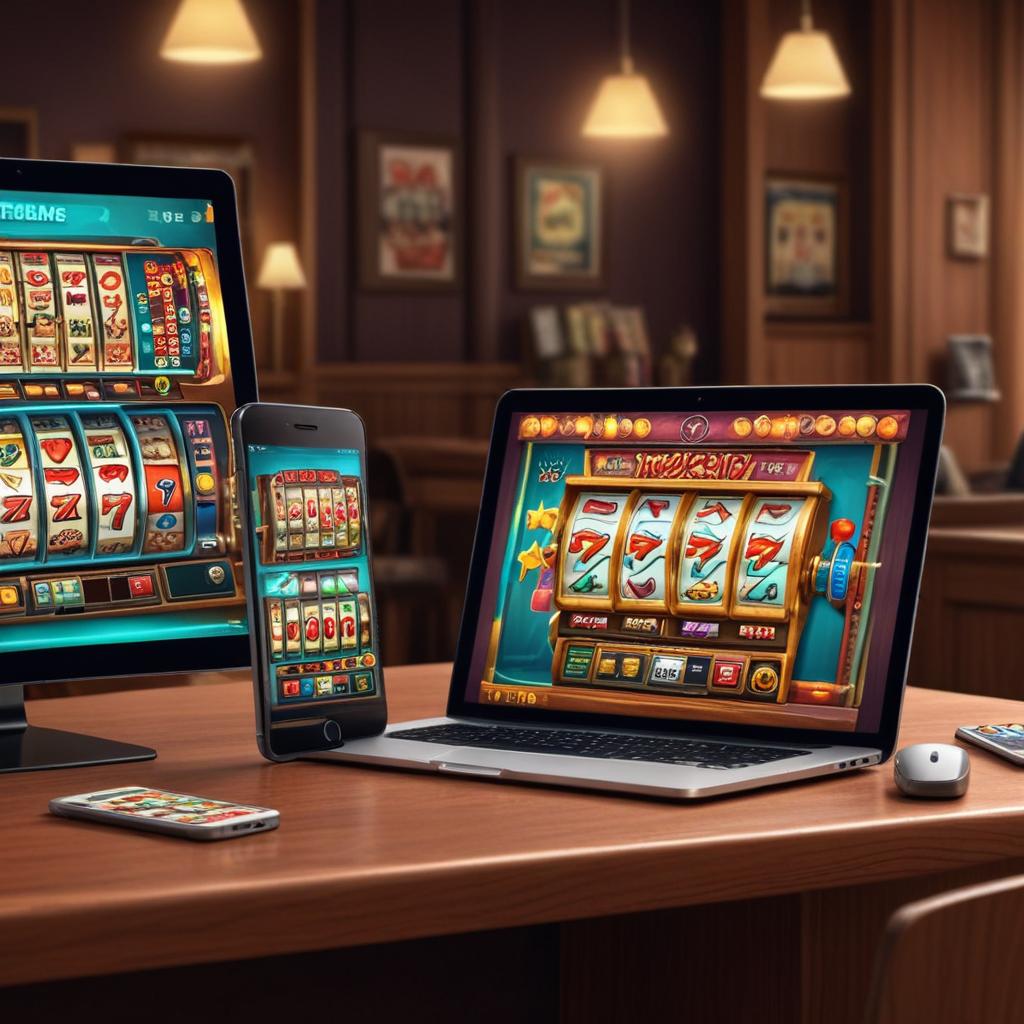
Overview of Mobile Slots and Desktop Slots
Mobile slots and desktop slots represent two popular formats of slot games that cater to different types of players and their preferences. Mobile slots are designed specifically for smartphones and tablets, allowing players to enjoy their favorite slot games on the go. Desktop slots, on the other hand, are intended for play on larger screens like desktop computers and laptops, offering a more traditional gaming experience.
When exploring the slot games overview, it is clear that both mobile and desktop slots offer a variety of features, themes, and payout structures. Mobile slots emphasize convenience and accessibility, enabling players to spin the reels anywhere and at any time without the constraints of a fixed location. These games are optimized for touchscreens and smaller displays, ensuring that gameplay remains smooth and engaging despite reduced screen real estate.
Desktop slots typically provide a more immersive experience due to the larger screen size and often higher resolution graphics. Players can appreciate detailed visuals and animations, and the interface can offer more extensive controls and additional game information at a glance. Desktop slots frequently mimic the feel of traditional slot machines, giving a sense of familiarity to players who prefer a classic gaming environment.
Both mobile slots and desktop slots share common elements such as paylines, bonus rounds, and multipliers, but the usability and interface design differ to match the device they are played on. Mobile slots rely on simplified navigation and larger buttons suitable for touch control, while desktop slots leverage keyboard and mouse inputs for a different kind of interaction.
In summary, mobile slots and desktop slots each have unique advantages within the slot games overview. Mobile slots stand out for their portability and on-the-move convenience, while desktop slots shine with their enhanced visuals and comprehensive user interfaces. Players often choose between the two based on their lifestyle and preferences, with some enjoying the flexibility of mobile play and others the immersive atmosphere of desktop gaming.
Definition and Accessibility
Mobile slot definition refers to slot games that are designed specifically for play on smartphones and tablets. These slots are optimized for smaller screens, touch controls, and a variety of mobile operating systems such as iOS and Android. Players can access mobile slots through dedicated casino apps or directly via mobile websites, enabling gaming on the go.
Desktop slot definition, on the other hand, pertains to slot games intended for use on desktop or laptop computers. These versions often feature more detailed graphics and interface elements suited for larger screens, with controls designed for mouse and keyboard interaction. Desktop slots are typically accessed through web browsers on computers, providing a more traditional and immersive gaming experience.
When it comes to accessibility, mobile slots offer unparalleled convenience as players can enjoy their favorite games anytime and anywhere as long as they have a stable internet connection. The availability of apps and mobile-optimized websites means quick and easy access without the need for additional hardware. Desktop slots, while less portable, provide a stable and often more feature-rich environment, making them ideal for longer gaming sessions at home or work.
User Experience and Interface Differences
The user experience and interface of mobile vs desktop slots exhibit notable differences driven primarily by the device’s screen size and input methods. Mobile slots are designed with touchscreens in mind, featuring larger buttons and simplified controls to ensure ease of play on smaller displays. The interface tends to be more compact and streamlined, focusing on core gameplay elements to maintain clarity and avoid clutter. This design approach optimizes user experience by enabling quick, intuitive navigation and effortless gameplay on-the-go.
In contrast, desktop slots benefit from larger screens and precise mouse controls, allowing for more detailed graphics, richer animations, and additional features such as extended paytables or bonus info displays. The interface on desktops often includes wider layouts and more intricate designs, leveraging the extra screen real estate to enhance visual appeal and informational depth. This results in a more immersive experience, ideal for players who prefer a comprehensive and visually engaging session.
Additionally, the user experience varies with mobile slots tending to emphasize quick accessibility and simplified gameplay to accommodate shorter play sessions, while desktop slots cater to longer, more in-depth gaming experiences. Developers often prioritize responsiveness in mobile slot interfaces to maintain smooth performance across various devices, which also impacts the overall interaction style and user engagement. Ultimately, understanding these user experience and interface differences helps players choose between mobile vs desktop slots based on their preferences and playing context.
Key Differences Between Mobile and Desktop Slots
When comparing mobile slots and desktop slots, several key differences stand out that influence the player experience. These differences primarily revolve around design, performance, and features, all of which together shape how players engage with slot games on different devices.
One of the most noticeable distinctions is in design. Mobile slots are crafted with smaller screens in mind, emphasizing simplicity and ease of use. The user interface is streamlined to allow for intuitive navigation with touch controls. Developers often reduce the visual clutter and use larger buttons to fit comfortably on fingers rather than a mouse pointer. In contrast, desktop slots can embrace more intricate designs and detailed graphics, thanks to the larger screen real estate and precise mouse control. This allows for a richer visual experience and often includes additional on-screen information such as paytables and game statistics visible at a glance.
Performance is another crucial area where mobile and desktop slots differ. Desktop slots generally benefit from more powerful hardware and faster internet connections, which can support higher-quality animations, smoother gameplay, and quicker load times. Mobile devices, while increasingly sophisticated, may still face limitations related to processing power and network variability. To counter this, mobile slot games are optimized to run efficiently on a wide range of devices and bandwidth conditions, often leading to slightly simplified graphics and fewer background animations compared to their desktop counterparts.
In terms of features, both mobile slots and desktop slots share many core functionalities such as bonus rounds, free spins, and progressive jackpots. However, mobile slots tend to incorporate features that enhance the on-the-go experience, such as single-tap spins and quick balance checks. Desktop slots might offer more complex game options, multi-window play, or even integrated chat features thanks to their larger interfaces. Additionally, some desktop games support external hardware like keyboards and specialized controllers which are not usable on mobile devices.
Overall, understanding the key differences between mobile slots and desktop slots helps players choose the platform that best suits their preferences and gaming style. Whether prioritizing portability and simplicity or visual depth and performance, the comparison highlights distinct advantages unique to each format, ensuring engaging gameplay experiences across devices.
Graphics and Performance
The difference in graphics and performance between mobile slots and desktop slots is significant, primarily due to the inherent limitations of mobile devices. Desktop slots generally offer higher quality graphics thanks to more powerful hardware capabilities, larger screens, and better processing power. This allows for detailed animations, richer color palettes, and smoother transitions that enhance the overall gaming experience.
On the other hand, mobile slot limitations often necessitate compromises in graphic detail and performance optimization. Mobile devices have smaller screens and less robust processors, which can limit the complexity of visual effects and animation quality. Developers optimize mobile slots to ensure games run smoothly without draining battery life or overheating the device. As a result, mobile slots might use simplified graphics or lower resolution textures but still maintain engaging gameplay.
Performance is another area where desktop slots usually excel. Desktop platforms can handle more intensive game features, faster loading times, and seamless multi-tasking, which improves player interaction and overall satisfaction. Mobile slots focus more on accessibility and convenience, providing a balanced trade-off between graphic fidelity and performance to suit on-the-go gaming.
Overall, while desktop slot quality remains superior in terms of graphics and performance, mobile slots have evolved considerably, offering enjoyable experiences tailored to mobile users without compromising too much on visual appeal or fluidity.
Game Features and Functionality
When comparing slot features and game functionality on mobile versus desktop platforms, several key differences emerge. Mobile features are designed with touchscreens in mind, offering streamlined controls for tap and swipe interactions. This often means a simplified interface with fewer on-screen buttons to enhance usability on smaller displays. Mobile slots prioritize quick loading times and optimized graphics to maintain smooth gameplay even on varying network speeds, with adaptive layouts that fit different screen sizes seamlessly.
Desktop features, on the other hand, can leverage larger displays and more powerful hardware, allowing for more complex game functionality. This includes detailed graphics, advanced animations, and additional in-game options such as multiple paylines, bonus rounds, and interactive mini-games that might be more cumbersome on mobile. Desktop platforms also offer the advantage of keyboard and mouse inputs, providing more precise control for navigating features and settings.
Moreover, desktop slots often include expanded features like detailed paytables, game history, and customizable sound settings that provide an immersive gaming experience. Mobile slots tend to focus on accessibility and ease of play, sometimes limiting certain functionalities to maintain smooth performance. Both platforms aim to deliver engaging slot features, but the balance between game functionality and user experience shifts depending on whether the game is accessed on mobile or desktop.
Convenience and Portability
One of the most significant factors influencing player preference between mobile slots and desktop slots is the convenience and portability offered by each platform. Mobile slots provide a clear advantage by allowing players to enjoy their favorite games anytime and anywhere, whether commuting, waiting in line, or relaxing at a café. This portability means players are no longer tethered to a stationary device, opening up opportunities for gaming on the go.
Conversely, desktop slots come with limitations in terms of convenience. Players must be physically present at their desktop or laptop, which can restrict when and where they can play. While desktop environments often offer larger screens and sometimes more immersive experiences, these benefits can be outweighed by the lack of mobility, especially for those with busy lifestyles or who prefer spontaneous gaming sessions.
The mobile slots advantage extends beyond just physical portability; it includes touch-screen functionality and user interfaces optimized for smaller devices, making it easier to navigate and interact with games quickly. This streamlined, user-friendly approach caters well to casual players seeking immediate access and short bursts of entertainment without the necessity of a dedicated gaming setup.
In summary, the interplay between convenience and portability heavily sways player preference. While desktop slots may appeal to players valuing a traditional, more immersive gaming setup, the freedom and ease of access provided by mobile slots make them an increasingly preferred choice for many users today.
Choosing Between Mobile and Desktop Slots
When deciding how to choose slots for your gaming experience, it’s important to weigh the differences between mobile vs desktop platforms. Each offers unique advantages depending on your lifestyle, preferences, and how you like to engage with slot games. By understanding these factors, you can make an informed choice that enhances your playtime and overall enjoyment.
Mobile slots deliver unparalleled convenience, allowing you to play your favorite games anywhere and anytime. This portability suits players who prefer gaming on the go or in short bursts, such as during commutes or breaks. Additionally, many mobile slot games are optimized for touchscreens, offering intuitive controls and quick access to features. For players who value flexibility and accessibility, mobile slots may be the ideal choice.
On the other hand, desktop slots often provide a richer visual and audio experience due to the larger screen size and more powerful hardware. Players who enjoy immersive graphics and detailed game environments might lean toward desktop gaming. Desktops also typically support multi-tasking and larger gaming sessions, which benefit those who like to delve deeply into complex slot features and strategies.
When evaluating player preferences, consider how and where you plan to play most often. If you prioritize mobility and quick access, mobile slots deliver superb comfort without compromising gameplay quality. However, if you appreciate a stationary setup with high-quality visuals and sound, desktop slots offer an engaging experience with fewer limitations.
Slot gaming tips for choosing the right platform include trying both options to see which feels more intuitive and enjoyable. Check if your preferred casino offers seamless syncing between devices so you can switch without losing progress. Also, review any differences in game selection, bonuses, or performance, as some titles might be exclusive to either mobile or desktop. Ultimately, balancing your lifestyle, gaming habits, and technical preferences will help you select the best slot platform tailored to your needs.
Factors to Consider Before Playing
Choosing between mobile slots and desktop slots depends on several important factors. Understanding these factors will help you make an informed slot choice and optimize your gaming setup according to your preferences and circumstances.
- Screen Size: Mobile devices offer portability but usually have smaller screens compared to desktops. If you prefer immersive visuals and detailed graphics, a desktop slot may suit your gaming style better.
- Internet Connection: A stable and fast internet connection is crucial for seamless gameplay. Desktop setups often benefit from stronger wired connections, while mobile gaming relies on Wi-Fi or cellular networks, which can vary in stability.
- Device Preference: Your personal preference for using a mobile phone, tablet, or desktop computer plays a key role in your slot choice. Some players enjoy gaming on the go, while others favor sitting at a desktop for longer sessions.
- Gaming Style: Casual gamers might prefer mobile slots for quick bursts of play, while more strategic or immersive gamers may lean toward desktop slots for extended gaming sessions and advanced features.
- Battery Life and Portability: Mobile devices depend on battery life, so if you plan long gaming sessions without easy access to charging, desktop slots might be a better option.
- Game Interface and Controls: Some slot games have interfaces and controls optimized for a specific device type, affecting ease of play and enjoyment.
Future Trends in Mobile and Desktop Slots
The slot gaming industry is continuously evolving, driven by advancements in gaming technology that enhance user experience on both mobile and desktop platforms. In the near future, slot trends are expected to focus heavily on immersive gameplay, incorporating augmented reality (AR) and virtual reality (VR) elements. These innovations will offer players engaging, interactive environments that blur the lines between traditional desktop slots and mobile slots future possibilities.
Mobile slots are set to benefit from increased processing power and 5G connectivity, enabling smoother, faster gameplay and richer graphics. Developers are also prioritizing seamless cross-platform integration, allowing players to switch effortlessly between mobile devices and desktop computers without losing progress or functionality. This will make mobile slots and desktop slot experiences more cohesive than ever before.
On the desktop front, slots innovations will include more complex game mechanics and higher resolution displays, supported by cutting-edge hardware. Enhanced customization options are anticipated, letting players tailor their gaming interface and strategies to personal preferences. Additionally, artificial intelligence (AI) will play a bigger role in personalizing slot gaming, adapting gameplay difficulty and rewards based on player behavior.
Overall, the future of mobile and desktop slots is bright, with evolving slot trends and gaming technology continually pushing boundaries. Players can look forward to more dynamic, engaging, and interconnected gaming experiences across all devices.

I have spent the last decade exploring the nuances of online gaming, from slot volatility to table game strategy, to understand what truly makes a casino platform stand out. My weekends are dedicated to testing different sites and bonus offers to provide clear, honest insights for fellow players. I focus on the practical aspects of gameplay and user experience to help others find the best entertainment value.