
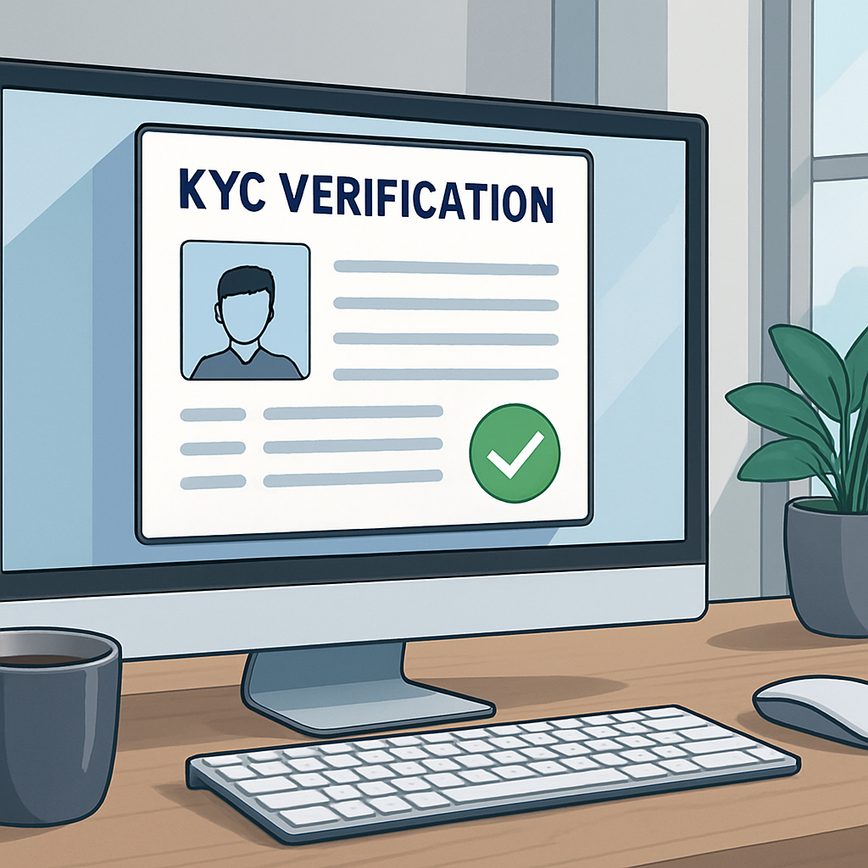
Another advanced method gaining popularity is facial recognition technology. This involves the player taking a live selfie or a video that is then matched against the submitted identity documents using biometric authentication techniques. This adds an extra layer of security by confirming that the person registering or making transactions is the genuine owner of the provided IDs.
Document verification systems also check the authenticity of the submitted files by analyzing them for signs of tampering or forgery. Many online casinos use automated software to verify documents quickly while still maintaining a high level of accuracy. This process helps speed up player verification without compromising regulatory compliance.
Overall, these verification methods are essential components of KYC protocols, designed to prevent fraud, underage gambling, and money laundering. By combining ID uploads, facial recognition, and thorough document verification, casinos ensure the integrity of their platforms while providing a safer experience for all players.
Impact of KYC on Casino Payment Processes
Know Your Customer (KYC) verification plays a critical role in shaping the deposit and withdrawal processes within online casinos. It directly influences payment security by ensuring that all transactions are conducted by legitimate users, which significantly reduces the risk of fraud and unauthorized access. With stringent KYC impact measures in place, casino operators can verify the identity of players before allowing any financial activity, enhancing the overall trustworthiness of casino transactions.
During the deposit phase, KYC verification requires players to submit valid identification documents, which are then validated against a set of compliance requirements. This verification step acts as a safeguard, preventing the use of stolen or fake payment methods to fund player accounts. By enforcing KYC verification prior to processing deposits, online casinos ensure that only genuine users can add funds, thus protecting both the player and the casino from fraudulent activities.
Similarly, KYC procedures significantly impact withdrawal processes by mandating comprehensive payment verification before any payout is approved. This often includes cross-checking the withdrawal method against the initial deposit details and confirming the player’s identity one last time. Such rigorous checks help in mitigating money laundering risks and ensuring the casino remains compliant with regulatory standards on transaction security.
The compliance requirements tied to KYC verification help online casinos maintain a transparent and secure financial environment. They enable casinos to detect suspicious activities early on, making it easier to comply with anti-money laundering (AML) laws and other legal obligations. As a result, casinos that prioritize KYC verification in their payment processes foster a safer gaming environment where players can confidently make deposits and withdrawals without concerns over security breaches.
In summary, the impact of KYC on casino payment processes is profound. It enhances payment security by validating user identities, ensuring compliance with legal standards, and preventing fraudulent transactions throughout both deposit and withdrawal stages. By integrating thorough payment verification procedures, online casinos not only protect themselves against financial crimes but also bolster player confidence, facilitating a smoother, more secure transactional experience.
KYC and Deposit Procedures
KYC compliance plays a crucial role in deposit verification within online casinos, ensuring that every transaction adheres to strict regulatory standards. When players make casino deposits, KYC checks help verify their identity quickly and efficiently, which aids in accelerating the deposit process without compromising security. These checks protect both the player and the casino from fraudulent activities and potential financial crimes. Payment safety is significantly enhanced as KYC procedures confirm that funds are deposited by legitimate users, reducing the risks of money laundering and unauthorized access.
Moreover, KYC verification is essential for online casinos to remain compliant with legal and regulatory frameworks across different jurisdictions. This compliance not only safeguards the casino’s reputation but also provides players with greater confidence in the platform’s integrity. The integration of KYC in deposit procedures ensures that casino deposits are processed smoothly while maintaining a high standard of security. By automating these checks, casinos can provide faster transaction times, minimizing delays and improving the overall user experience without sacrificing compliance or safety.
In summary, incorporating robust KYC compliance in deposit verification is vital for balancing speed and security in online casino payments. It guarantees payment safety, helps meet regulatory demands, and supports a trustworthy gaming environment where players feel protected throughout their financial interactions.
Withdrawing Funds: KYC Requirements
To ensure secure and compliant fund withdrawal processes, casinos implement strict withdrawal verification protocols as part of their KYC requirements. Players seeking to withdraw their winnings must undergo thorough player authentication to confirm their identity. This procedure is crucial not only for safeguarding player accounts but also for adhering to legal payment policies designed to combat fraud and money laundering.
The KYC verification process typically involves submitting government-issued identification, proof of address, and sometimes additional documentation to validate the player’s identity. These measures help casinos establish that the person making the withdrawal request is indeed the account holder, thereby preventing unauthorized transactions. Without verifying player identity, casinos would be vulnerable to misuse by individuals attempting to launder money or perform fraudulent withdrawals.
Additionally, strict KYC requirements allow casinos to maintain transparent and accountable payment policies. By verifying players before allowing fund withdrawal, casinos protect themselves and their customers from financial crimes. This step is essential in maintaining the integrity of the gaming environment and fostering trust between players and the casino platform.
In summary, adherence to KYC withdrawal verification not only ensures secure player authentication but upholds the highest standards of compliance in online casino operations. Players can be confident that their funds are handled responsibly while benefiting from safe and smooth withdrawal experiences.
Challenges and Best Practices in KYC for Casinos
KYC (Know Your Customer) verification presents a range of challenges for online casinos striving to maintain compliance while offering a smooth user experience. One of the primary KYC challenges is ensuring thorough identity verification without causing delays or frustration for players. Balancing robust fraud detection measures with customer convenience is a delicate task that requires well-thought-out strategies.
Casinos face difficulties such as handling large volumes of documents, verifying identities from different jurisdictions, and managing discrepancies in customer data. These obstacles can lead to extended processing times, which may result in player drop-off or negative user experiences. Moreover, as online gambling compliance standards evolve globally, casinos must navigate a complex regulatory landscape that varies by region, further complicating KYC procedures.
To address these challenges effectively, implementing best practices is crucial. Automation plays a key role in streamlining KYC processes—using advanced software to quickly scan and validate identity documents reduces manual workload and speeds up approvals. Additionally, integrating multi-layer fraud detection systems can help identify suspicious behavior early, protecting both the casino and its players.
Another best practice involves providing clear communication and guidance to players during the KYC verification process. Offering user-friendly interfaces and prompt support reduces confusion and encourages timely submission of required documents. Casinos should also adopt a risk-based approach, where high-risk customers undergo more rigorous checks, while low-risk profiles enjoy faster verification, enhancing overall player satisfaction.
By continuously updating KYC protocols to align with the latest regulatory requirements and employing cutting-edge technology, online casinos can overcome common KYC challenges. These efforts not only improve compliance but also foster trust and loyalty among players, ultimately supporting a safer and more enjoyable online gambling environment.
Balancing Security and User Experience
In the online casino industry, balancing security with user experience is crucial to maintain trust and retain players. Casinos must implement robust KYC (Know Your Customer) processes to ensure compliance with regulations and prevent fraud. However, overly complex KYC procedures can hinder player onboarding and payment experiences, potentially driving users away.
To optimize KYC without compromising user experience, many casinos adopt a layered approach. Initial verification steps are kept minimal to allow swift player onboarding, enabling new users to start playing quickly. Further verification is then conducted progressively, triggered by specific payment thresholds or suspicious activity.
Advanced technology plays a key role in KYC optimization. Automated document verification and biometric checks reduce manual work and speed up the identity verification process, providing a seamless user journey. Integrating these tools within the payment gateway ensures that security checks happen in the background, minimizing disruption during deposits and withdrawals.
Transparency also enhances the player experience. Clear communication about the need for KYC and the security measures in place builds trust and reduces frustration. Additionally, offering multiple secure payment options combined with swift KYC checks contributes to a smoother, more satisfying user experience without sacrificing compliance or security.
Leveraging Technology for Effective KYC
Technology in KYC processes is revolutionizing the way online casinos handle verification and payments. Advanced tools such as automation and AI verification are significantly enhancing the efficiency and accuracy of identity checks. By automating repetitive tasks, casinos reduce manual errors and speed up the onboarding process, providing a smoother user experience without compromising security.
Artificial intelligence plays a critical role in analyzing vast amounts of data quickly, ensuring that customer verification is not only faster but also more precise. Machine learning algorithms continuously learn from new patterns, helping to identify suspicious behaviors that might indicate fraudulent activities. These AI-powered fraud detection tools are essential in safeguarding both the casino and its players from potential financial crimes.
Furthermore, the integration of these technologies allows for real-time KYC updates and compliance checks, ensuring that casinos meet regulatory requirements effortlessly. This proactive approach minimizes risks by instantly flagging inconsistent or suspicious information. As a result, operators can focus on delivering seamless casino payment options while maintaining a high level of trust and security with their users.
In summary, leveraging state-of-the-art technology in KYC processes is vital for the online gambling industry. Automation, AI verification, and sophisticated fraud detection tools collectively enhance operational efficiency, accuracy, and security, making online casino payments more reliable and user-friendly.
Understanding KYC Verification in Online Casinos
KYC verification, which stands for “Know Your Customer” verification, is a critical process in the realm of online casinos. It involves the systematic verification of the identity of players who register and engage with gambling platforms. This process is not just a procedural formality but a crucial mechanism that ensures online casinos comply with legal standards and regulations designed to promote responsible gambling and prevent illicit activities.
The primary objective of KYC verification in online casinos is to confirm the identity of users by requiring them to provide valid identification documents such as a government-issued ID, proof of address, and sometimes even banking details. This identity verification process helps online casinos create a secure environment where the risks of fraud, money laundering, and underage gambling are significantly reduced. Implementing strong KYC verification also helps casinos protect themselves from potential legal issues and maintain their reputation as trustworthy operators in the competitive gambling market.
Online casinos operate in a heavily regulated industry, where gambling compliance is paramount. Regulatory bodies mandate KYC verification to ensure that casinos are not facilitating illegal activities such as money laundering or financing of terrorism. By verifying each player’s identity, casinos can track suspicious transactions and report them to the relevant authorities, thus acting as a safeguard in the broader financial system. This compliance not only protects players but also contributes to the legitimacy and integrity of the online gambling sector.
Moreover, KYC verification allows online casinos to tailor their services better to individual players, offering personalized experiences while ensuring that players do not exceed self-imposed or regulatory-imposed betting limits. It also helps in resolving disputes efficiently and facilitates secure transactions, thus enhancing the overall trust between the player and the casino.
In summary, KYC verification is a cornerstone for online casinos, intertwining legal compliance with fraud prevention. It ensures that only legitimate players access gambling services, making the environment safer and more transparent for everyone involved. Without effective KYC procedures, online casinos would struggle to meet regulatory requirements and protect both themselves and their customers from various financial and legal risks.
The Purpose of KYC in Casino Payments
KYC, or Know Your Customer, serves a critical purpose in the realm of casino payments by safeguarding both the casino operators and their players. Primarily, the KYC purpose is to verify the identity of customers before allowing them to engage in financial transactions on the platform. This verification process helps ensure that only legitimate users participate, thereby creating a secure environment for casino payments.
By implementing stringent KYC procedures, casinos significantly reduce the risk of fraud. These measures detect and prevent fraudulent activities such as money laundering, identity theft, and the use of stolen financial details. As a result, casinos protect their financial assets and maintain trust with regulators, which is vital for legal compliance and operational integrity.
For players, KYC enhances customer security by confirming that their funds and personal information are handled safely. This process minimizes the chances of unauthorized transactions, ensuring that withdrawals and deposits are made securely. Additionally, it fosters a safer gambling environment by discouraging underage gambling and other illicit behaviors.
Overall, the KYC purpose in casino payments is to create a transparent and secure transaction system. It forms a foundational layer of defense against financial crimes, benefiting both the operators and their customers by promoting fair play and trustworthiness in the online gaming industry.
Common KYC Verification Methods
In the online gambling industry, verification methods play a crucial role in ensuring the security and authenticity of player accounts. One of the most common approaches is the upload of identity documents, where players are required to submit government-issued IDs such as passports, driver’s licenses, or national ID cards. These documents serve as primary proof of identity and residency.

I have spent the last decade exploring the nuances of online gaming, from slot volatility to table game strategy, to understand what truly makes a casino platform stand out. My weekends are dedicated to testing different sites and bonus offers to provide clear, honest insights for fellow players. I focus on the practical aspects of gameplay and user experience to help others find the best entertainment value.