
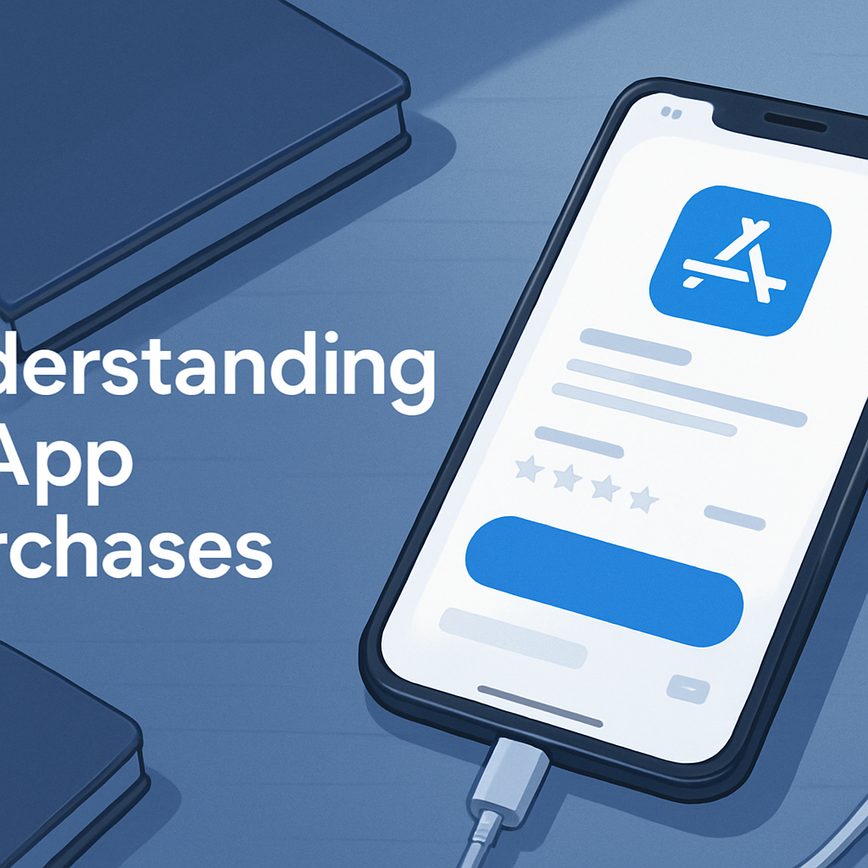
Understanding In-App Purchases
In-app purchases are transactions made within mobile apps that allow users to buy digital goods or services without leaving the app environment. These purchases have become a popular way for developers to monetize their mobile apps by offering additional features, content, or benefits that enhance the user experience. Rather than charging a one-time fee to download an app, many developers rely on in-app purchases to generate ongoing revenue.
The way in-app purchases work is relatively straightforward. When a user engages with a mobile app and decides to buy a digital good, they initiate a transaction through the app store’s payment system, such as Apple’s App Store or Google Play. The app then delivers the purchased content instantly or grants the user access to new features. This seamless integration allows for quick and secure transactions that improve convenience for users and income streams for app creators.
There are several types of digital goods commonly bought through in-app purchases. Consumable items are one type, which users can purchase repeatedly, such as virtual currency, extra lives, or power-ups in games. These consumables are used up within the app and can be bought again. Non-consumable purchases are another category, which typically include permanent upgrades like removing ads, unlocking premium features, or purchasing a full version of the app content.
Subscription-based purchases have also become popular in mobile apps, allowing users to access content or services on a recurring basis, such as monthly access to premium features, exclusive content, or cloud storage. This type of in-app purchase creates a steady revenue stream and encourages long-term user engagement. Other digital goods include downloadable content (DLC) for games, special event access, or even customization options like avatars, skins, or themes.
Overall, in-app purchases are a key element of app monetization strategies in the mobile app ecosystem. They provide users with flexible ways to enhance their app experience, while developers benefit from diverse revenue opportunities beyond traditional app sales. Understanding these purchases is essential for anyone looking to navigate or succeed in the world of mobile apps.
Types of In-App Purchases
In-app purchases come in three main types: consumable purchases, non-consumable purchases, and subscriptions. Each type serves a different purpose and offers unique advantages to both developers and users.
Consumable purchases are items that can be used up and bought again. A common example includes virtual currency or extra lives in a game. Once the consumable item is used, the user must purchase it again if they want more. These are ideal for games or apps that encourage frequent small purchases.
Non-consumable purchases are one-time purchases that provide permanent benefits. For instance, unlocking a pro version of an app or removing ads permanently are typical non-consumable purchases. Users pay once and retain access without needing to repurchase.
Subscriptions offer access or benefits for a set period, often billed monthly or yearly. Examples include access to premium content in a fitness app or cloud storage services. Subscriptions provide a steady revenue stream and ongoing value to users through continual updates or exclusive features.
Understanding these in-app purchase types helps developers choose the best monetization strategy, while users can better navigate their spending within apps.
Benefits and Risks of In-App Purchases
In-app purchases offer numerous benefits for both developers and users, significantly enhancing the user experience while driving effective revenue generation. For developers, this payment model provides a steady stream of income beyond the initial app download, enabling ongoing updates, new features, and improved support services. Users benefit by gaining access to additional content, enhanced features, or premium services without needing to download separate apps. This convenience and customization contribute to a more engaging and personalized user experience.
However, the system is not without its risks. One of the primary concerns is the potential for users to overspend, especially when in-app purchases are designed to encourage frequent or impulsive buying. This can lead to frustration or dissatisfaction, negatively impacting the overall user experience. From a developer’s standpoint, implementing in-app purchases requires careful balancing to avoid alienating users by making essential features paywalled or too expensive, which could lead to reduced user retention.
Additionally, security risks such as unauthorized transactions or fraud can pose significant problems. Both developers and users must be vigilant to ensure secure transaction processes. Despite these challenges, when managed properly, in-app purchases remain a powerful tool for monetization and enriching user engagement, offering clear benefits while necessitating awareness of the potential risks involved.
Exploring Casino Deposits
Casino deposits in the context of online gambling refer to the funds that players transfer into their online casino accounts to participate in wagering games. These deposits are essential for players to place bets, participate in promotions, and ultimately enjoy the full experience offered by online casinos. Without making a deposit, players typically cannot access real-money games, making the process of depositing money a fundamental component of online gambling operations.
The process of making a casino deposit involves choosing a suitable payment method, entering the amount to be deposited, and authorizing the transaction. Online casinos offer multiple payment methods to accommodate the preferences and conveniences of a diverse player base. These payment methods must be secure, efficient, and reliable to ensure a smooth experience for player deposits.
Common payment methods used for casino deposits include credit and debit cards such as Visa and MasterCard, which are widely accepted due to their ease of use and global reach. E-wallets like PayPal, Skrill, and Neteller are also popular for their fast processing times and added layer of security, often allowing instant deposits with minimal fees. Additionally, bank transfers and prepaid cards provide alternative ways to fund accounts, although processing times for bank transfers can be longer compared to other methods.
Many online casinos also accept deposits via cryptocurrencies, reflecting the growing trend towards digital currencies in the gaming industry. Cryptocurrencies offer anonymity and quick transaction settlements, making them an attractive choice for some players.
The deposit process itself is usually straightforward: after selecting a preferred payment method, players enter their payment details and the deposit amount. Most online casinos have user-friendly interfaces that walk players through the steps securely. Once the payment is confirmed, the deposited funds are immediately available in the player’s casino account, enabling them to start gaming without delay.
In summary, casino deposits represent the gateway for players to engage with online casinos. The variety of payment methods offered caters to different preferences, ensuring that players can deposit funds conveniently and securely. Understanding these payment processes helps players choose the best methods for their needs, enhancing their overall online casino experience.
Common Casino Deposit Methods
When it comes to depositing funds into online casino accounts, players have a variety of payment methods to choose from, each with its own features and benefits. Credit cards remain one of the most popular options, offering speed and convenience. Players can quickly deposit money using Visa or MasterCard, and most casinos support these widely accepted methods. However, credit card transactions may sometimes involve fees or banking restrictions depending on the player’s location.
E-wallets have gained substantial popularity due to their ease of use and enhanced security. Services like PayPal, Skrill, and Neteller allow players to deposit funds without directly sharing bank details with the casino. Deposits via e-wallets are usually instant and offer seamless fund management, especially useful for players who frequently engage in online gambling.
Bank transfers provide a secure avenue for transferring larger sums directly from a player’s bank account to the casino, though the processing time can be slower compared to other methods. They are ideal for players who prefer traditional banking and don’t require immediate access to their deposited funds.
Cryptocurrency is becoming an increasingly favored option for players seeking anonymity and fast transactions. Many modern casinos accept cryptocurrencies like Bitcoin and Ethereum, providing a decentralized method to deposit funds without the involvement of banks or payment processors. This method offers heightened privacy and often lower transaction fees.
Security and Regulation of Casino Deposits
When it comes to casino deposits, security is paramount to ensure player trust and confidence. Casinos implement advanced encryption technologies like SSL (Secure Socket Layer) to protect financial transactions, making deposits safe from interception or fraud. These measures ensure that sensitive information, such as credit card details and personal data, remains confidential and secure.
Moreover, the regulation of casino operations plays a critical role in protecting player funds. Licensed casinos must comply with strict regulatory standards enforced by reputable gambling authorities. These regulations mandate transparent financial practices, regular audits, and the segregation of player deposits from operational funds. This segregation guarantees that player funds are available and protected, even if the casino faces financial difficulties.
Regulatory bodies also enforce fair gaming practices and require casinos to implement responsible gambling measures, further enhancing player protection. These regulatory frameworks provide players with avenues for dispute resolution and ensure that casinos adhere to ethical standards. Collectively, these security measures and regulations create a safe environment for making deposits and enjoying casino games with confidence.
Key Differences Between In-App Purchases and Casino Deposits
When comparing in-app purchases vs casino deposits, it is essential to understand that these two payment types serve distinct purposes and operate within different frameworks, both legally and experientially. In-app purchases typically cater to digital content consumption within mobile applications—such as buying virtual goods, extra lives, or premium features—while casino deposits are transactions aimed at funding gambling accounts for real-money play.
Payment flows between the two are notably different. In-app purchases often leverage the native payment systems embedded within app stores (such as Apple’s App Store or Google Play), providing users a seamless and standardized checkout experience. These platforms manage the transaction, ensuring quick authorization and payment completion. Conversely, casino deposits usually require users to interact directly with the casino’s payment gateway, often offering multiple payment options such as credit cards, e-wallets, or cryptocurrencies. This process may involve additional verification steps due to regulatory requirements and anti-fraud measures.
From a legal perspective, in-app purchases are generally governed by the policies of app stores and consumer protection laws, focusing primarily on digital content. Casino deposits, however, are subject to stringent gambling regulations that vary significantly by jurisdiction. Operators must ensure compliance with these laws, including age verification, responsible gambling protocols, and anti-money laundering practices, making the legal landscape for casino deposits far more complex than that for in-app purchases.
The user experience also diverges between these two payment types. In-app purchases aim for frictionless, fast transactions embedded directly within the app interface, encouraging spontaneous and small-scale spending. Casino deposits, by contrast, often require users to engage in a more deliberate and structured process due to the nature of real-money gambling. The necessity for security checks and varied payment options can extend the transaction time but is crucial for maintaining trust and complying with regulations.
In summary, the comparison between in-app purchases vs casino deposits reveals key differences rooted in their purposes, payment flows, legal frameworks, and user experience. Understanding these distinctions is vital for both operators and users to navigate the diverse world of digital payments effectively.
Purpose and Usage
In-app purchases are primarily designed to facilitate the acquisition of digital goods within mobile applications or software platforms. These purchases enable users to obtain virtual items such as additional features, content upgrades, virtual currency, or other enhancements that improve or personalize their digital experience. The purpose of these transactions is to provide direct access to digital content or utilities that support the app’s functionality without involving real-money gaming or betting scenarios.
On the other hand, casino deposits serve a distinctly different purpose. When players make a deposit into an online casino account, the funds are intended for gambling gameplay. These deposits convert real-world money into gambling funds that players use to place bets, participate in games of chance, and potentially win or lose money based on the outcomes. Unlike in-app purchases, which deliver digital content or benefits, casino deposits are strictly financial transactions that fund the gambling activities within the casino environment.
Understanding this distinction is essential because the usage contexts of in-app purchases and casino deposits are fundamentally different. In-app purchases enhance user interaction with digital apps by offering customizable or enhanced experiences. Conversely, casino deposits are a gateway to engaging in real-money gambling, with risks and rewards linked directly to the gameplay. Both forms of transactions play unique roles in their respective domains—digital content acquisition versus real-money gaming—highlighting their specialized purpose and usage.
Legal and Regulatory Considerations
In-app purchases and casino deposits operate under significantly different legal frameworks and compliance requirements due to the nature of the transactions and associated risks. In-app purchases, common in mobile apps and gaming platforms, are generally governed by consumer protection laws and digital payment regulations that ensure fair billing practices, privacy, and data security. These laws require developers to disclose terms clearly and obtain user consent for transactions, maintaining compliance with payment regulations such as PCI DSS (Payment Card Industry Data Security Standard).
On the other hand, casino deposits are subject to stricter laws and regulations because they involve gambling, which is heavily regulated to prevent fraud, money laundering, and underage gambling. Casinos must comply with local and international gambling laws, licensing requirements, and anti-money laundering (AML) regulations. This includes rigorous verification and monitoring of deposit sources, adherence to responsible gambling protocols, and maintaining detailed transaction records for auditing purposes. Additionally, payment regulations for casinos often require enhanced measures beyond standard digital payment compliance, ensuring transactions are secure and transparent.
Overall, while both payment types must align with laws and payment regulations, casino deposits demand a higher level of regulatory oversight and compliance compared to in-app purchases, reflecting the greater legal risks and potential social impact associated with gambling.

I have spent the last decade exploring the nuances of online gaming, from slot volatility to table game strategy, to understand what truly makes a casino platform stand out. My weekends are dedicated to testing different sites and bonus offers to provide clear, honest insights for fellow players. I focus on the practical aspects of gameplay and user experience to help others find the best entertainment value.