
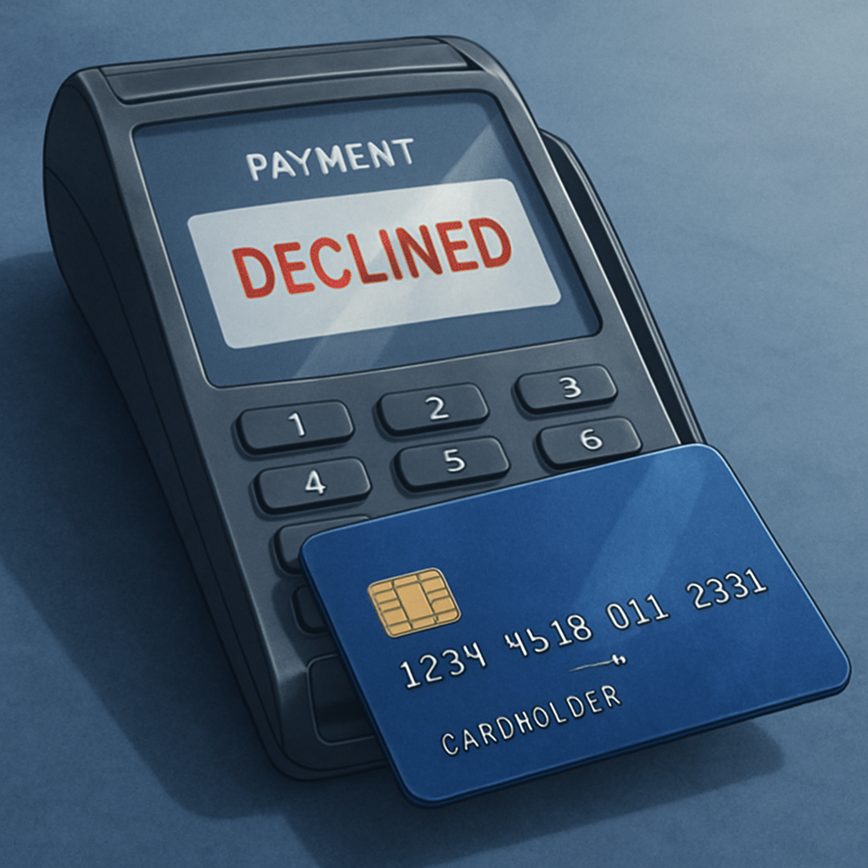
Common Causes of Failed Payments in Online Casinos
Failed payments are a common issue in online casino transactions, causing frustration for both players and operators. There are several typical reasons why these payment errors occur, ranging from technical glitches to financial constraints and user-related mistakes. Understanding these causes can help players avoid payment issues and ensure smoother transactions.
One major cause of failed payments involves technical problems. Online casinos rely heavily on payment gateways and third-party processors to handle transactions, and if these systems experience downtime or connectivity issues, payments can fail. Additionally, outdated software, browser incompatibility, or interruptions in internet service on the user’s side can interfere with completing transactions, resulting in payment errors.
Financial factors also play a critical role in failed payments during online casino transactions. Insufficient funds in the player’s bank account or e-wallet can lead to declined transactions. Banks or payment providers may also block transactions if they suspect fraudulent activity or if the payment method is not authorized for gambling-related purchases. Currency restrictions and limits on transaction sizes can further complicate payments, causing players to encounter errors.
User-related causes contribute significantly to failed payments as well. Errors in entering payment details, such as incorrect card numbers, expiration dates, or CVV codes, can prevent successful processing. Moreover, players may not have completed necessary identity verification steps required by the online casino or payment platform, leading to blocked transactions. Neglecting to update expired cards or ignoring transaction limits set by the casino can also cause payment issues.
In conclusion, payment issues in online casino transactions arise from a combination of technical failures, financial limitations, and user errors. Awareness of these common causes allows players to take precautions—such as double-checking payment details, ensuring sufficient funds, and using compatible devices—to reduce the risk of failed payments. By addressing these factors, players can enjoy a more seamless and secure online casino experience.
Technical Problems Leading to Payment Failures
Technical errors are a common cause of transaction failures in online casinos. These issues can stem from glitches within the casino’s software systems, including outdated or malfunctioning code that interrupts the payment process. When the system fails to communicate properly with the payment processor, it can result in incomplete or rejected transactions.
Connectivity problems also pose a significant challenge to successful payments. Unstable internet connections, either on the user’s side or the casino’s server, can lead to disruptions mid-transaction. Even a brief loss of connection can prevent a payment from being fully processed, leaving players with pending or failed payment notifications. Such interruptions often require players to retry the transaction, which can cause frustration and delays.
In addition to these internal issues, payment gateway issues can greatly impact transaction success. Payment gateways serve as the bridge between the casino and financial institutions, and if there is an error on their end—such as downtime, misconfigurations, or security blocks—it can halt the flow of funds. Payment gateways are also tasked with fraud detection and risk management, and sometimes legitimate transactions may be flagged erroneously, causing declines. Overall, a combination of technical errors, connectivity problems, and payment gateway issues can create barriers that lead to failed payments, impacting the overall player experience.
Financial Reasons Behind Declined Payments
One of the most common financial reasons behind declined payments in online casinos is insufficient funds. When a player’s bank account or card balance does not have enough money to cover the transaction amount, the payment will be rejected. This is a straightforward issue that requires players to ensure they have adequate funds before attempting a deposit.
Card limits also play a significant role in payment declines. Many banks and card providers impose daily or transaction limits for security and budgeting reasons. If an attempted deposit exceeds these limits, the payment will be automatically declined. Players should check their card limits and, if necessary, contact their bank to increase the limits for their transactions.
Bank rejections are another frequent cause for payment failures. These can occur for various reasons, such as suspected suspicious activity, policy restrictions, or technical issues within the banking system. Sometimes banks block payments related to gambling sites due to their internal policies or regional regulations.
Fraud detection systems, both at the bank and the casino level, can also trigger declines. If a transaction appears unusual or suspicious, it may be flagged and rejected to protect the player and the institution from potential fraud. This includes sudden high-value payments or multiple transactions in a short period. Players may need to verify their identity or transaction details to resolve such blocks.
How Online Casinos Manage and Respond to Failed Payments
When a payment failure occurs, online casinos have developed comprehensive strategies to efficiently manage the situation and ensure a smooth user experience. Payment failure management is crucial to maintain customer trust and minimize disruptions to gameplay. Casinos typically implement protocols that include transaction retries, proactive user notifications, and robust customer service support to address any issues promptly.
One of the first steps in handling failed payments involves automated transaction retries. Many online casinos have systems in place that automatically attempt to process the payment again after a short interval. This helps to catch temporary issues such as network glitches or momentary bank processing errors without requiring user intervention. The retry policies are carefully balanced to avoid excessive attempts that could frustrate the user or trigger security concerns.
Alongside automated retries, user notifications play an essential role in payment failure management. Customers are immediately informed via email, SMS, or in-app alerts when a transaction fails. These notifications provide clear information about the failure reason and the next steps the user can take, such as checking their payment details or trying a different payment method. Timely and transparent communication helps to reduce confusion and encourages swift resolution.
Customer service teams are a critical component of managing failed payments. Online casinos typically offer multiple support channels, including live chat, email, and phone support, enabling customers to seek assistance quickly. Skilled support agents work closely with the user to troubleshoot problems, verify payment information, and provide personalized solutions. Excellent customer service ensures that users feel valued and supported, even when technical or financial glitches occur.
In addition to immediate actions, many casinos also analyze payment failure data to identify common issues and improve their systems. Continuous monitoring allows operators to refine retry policies and notification strategies, ultimately enhancing the overall payment experience. By combining transaction retries, proactive user notifications, and attentive customer service, online casinos effectively manage failed payments and maintain smooth game access for their users.
Notification and Communication with Players
Online casinos prioritize clear and timely player notifications when a payment fails. These failed payment alerts are sent through multiple communication channels such as email, SMS, or in-platform messages to ensure players are promptly informed about the issue. The notification typically includes details about the payment attempt, possible reasons for the failure, and the transaction amount. This immediate communication helps prevent confusion and allows players to take swift action.
Customer communication plays a vital role in resolving payment issues efficiently. Casinos usually provide step-by-step instructions within the notification, guiding players on how to update their payment information or try an alternative payment method. Some casinos also offer direct links to the account payment settings or customer support chat to simplify the resolution process. In addition, many platforms recommend double-checking card details, available funds, or contacting the bank to address potential blocks on transactions.
Furthermore, casinos often encourage players to reach out to dedicated support teams for additional help if the problem persists. This personalized customer communication ensures that players receive the necessary assistance and reassurance to successfully resolve payment failures. Overall, maintaining transparent and proactive player notifications combined with comprehensive customer communication enhances the user experience and fosters trust in the online casino’s payment system.
Retrying Transactions and Alternative Payment Options
When an online casino faces a failed payment, a common practice is to initiate transaction retries. These retries are essential as they allow the system to automatically attempt reprocessing payments after a short interval, often correcting the issue without requiring user intervention. This procedure helps minimize disruptions to the player’s gaming experience and increases the likelihood of a successful payment without delay.
However, when repeated attempts to process a payment fail, many casinos promptly offer alternative payment methods to the player. This ensures that users have multiple options to complete their deposits or withdrawals, reflecting a flexible and customer-centric approach. Alternative payments can include a variety of methods such as e-wallets, bank transfers, prepaid cards, or cryptocurrency, catering to diverse user preferences and regional availability.
By providing multiple payment methods, casinos increase the chances of successful transactions and reduce the frustration caused by a single failed payment method. This multi-method strategy not only enhances user satisfaction but also helps casinos maintain smooth financial operations. Players are encouraged to select their preferred payment option or switch to another method if initial attempts result in transaction failures.
Overall, transaction retries combined with the availability of alternative payments exemplify the proactive steps online casinos take to handle payment issues efficiently. This approach ensures continuity in gameplay and upholds a reliable and secure payment processing environment for all users.
Preventative Measures to Avoid Payment Failures
One of the most effective ways online casinos and players can minimize payment failures is by implementing robust payment security measures. Casinos invest heavily in secure payment gateways that use encryption technology to safeguard sensitive financial information during transactions. This not only protects user data but also reduces the risk of transaction errors caused by malicious activities or data breaches.
Transaction verification is another critical technique used to prevent payment failures. Casinos often employ multi-factor authentication, including SMS or email confirmation codes, to ensure that the person initiating the payment is the legitimate account holder. This verification step minimizes fraudulent transactions and drastically lowers the chances of failed payments due to incorrect banking details or unauthorized access.
User education plays a pivotal role in avoiding payment issues. Many casinos provide clear guidance and support on how to correctly input payment information, such as verifying card numbers and expiration dates or understanding deposit limits. Educated users are less likely to make simple mistakes that could lead to declined transactions, thus ensuring smoother payment experiences.
Fraud prevention strategies are integral to maintaining seamless payment processing. Casinos deploy advanced algorithms and artificial intelligence to monitor transaction patterns and detect suspicious activity early. By flagging unusual behavior promptly, these systems can prevent failed payments caused by blocked transactions on suspected fraudulent accounts. Additionally, players are encouraged to keep their accounts secure by using strong passwords and regularly updating their payment methods.
In summary, a combination of enhanced payment security, rigorous transaction verification, proactive user education, and sophisticated fraud prevention measures helps both casinos and players minimize payment failures. By addressing potential issues before they occur, online casinos create a safer and more reliable environment for financial transactions, ultimately improving user experience and trust.
Advanced Payment Verification Systems
Online casinos employ advanced payment verification systems to ensure the integrity and security of every transaction. These systems use cutting-edge technologies designed to minimize errors and proactively detect potential fraud. Through multi-layered payment authentication, casinos validate the identity and legitimacy of users before processing payments, reducing the chances of declined or failed transactions.
Fraud detection mechanisms are integral to these verification systems. Casinos use sophisticated algorithms and machine learning models to monitor transaction patterns and flag unusual or suspicious activities in real-time. This proactive approach allows platforms to intervene early, preventing fraudulent attempts before they impact users or the casino’s financial systems.
Verification systems also incorporate technologies such as two-factor authentication (2FA), biometric verification, and tokenization, which add extra layers of security during payment processing. These tools verify both the payment method and the user’s authority to use it, ensuring a smooth and secure transaction experience. In addition, these systems help reduce false declines caused by innocent but complex transaction scenarios, improving customer satisfaction.
By leveraging these advanced verification systems, online casinos can uphold high standards of payment authentication, protect themselves and their users against fraud, and maintain a trustworthy gaming environment. This not only enhances security but also contributes to a more seamless and reliable payment process.
Educating Players on Payment Best Practices
Online casinos prioritize user education to minimize payment failures by promoting payment tips and highlighting common mistakes. Educating players on how to conduct transactions carefully helps ensure safe transactions, protecting both the casino and the players from unnecessary complications. Casinos deploy various initiatives such as detailed guides, FAQs, and tutorial videos that explain best practices for making deposits and withdrawals smoothly.
One key aspect of user education is advising players to double-check their payment details before submitting transactions. Simple errors in card numbers or expiration dates are among the most common reasons for failed payments. Additionally, informing players about verifying sufficient funds and ensuring their bank or payment provider supports online casino transactions reduces the risk of declines.
Casinos also emphasize the importance of using secure and verified payment methods. Providing clear information on trusted payment gateways and cautioning against using dubious sources helps maintain the integrity of all transactions. Through webinars, chat support, and newsletters, casinos continuously remind players of these payment tips and tricks to safeguard their funds and prevent transaction failures.
By fostering a culture of awareness around payment processes, online casinos significantly reduce payment issues while enhancing players’ confidence and satisfaction. This proactive communication approach ultimately creates a smoother and more reliable gaming experience for everyone involved.

I have spent the last decade exploring the nuances of online gaming, from slot volatility to table game strategy, to understand what truly makes a casino platform stand out. My weekends are dedicated to testing different sites and bonus offers to provide clear, honest insights for fellow players. I focus on the practical aspects of gameplay and user experience to help others find the best entertainment value.