
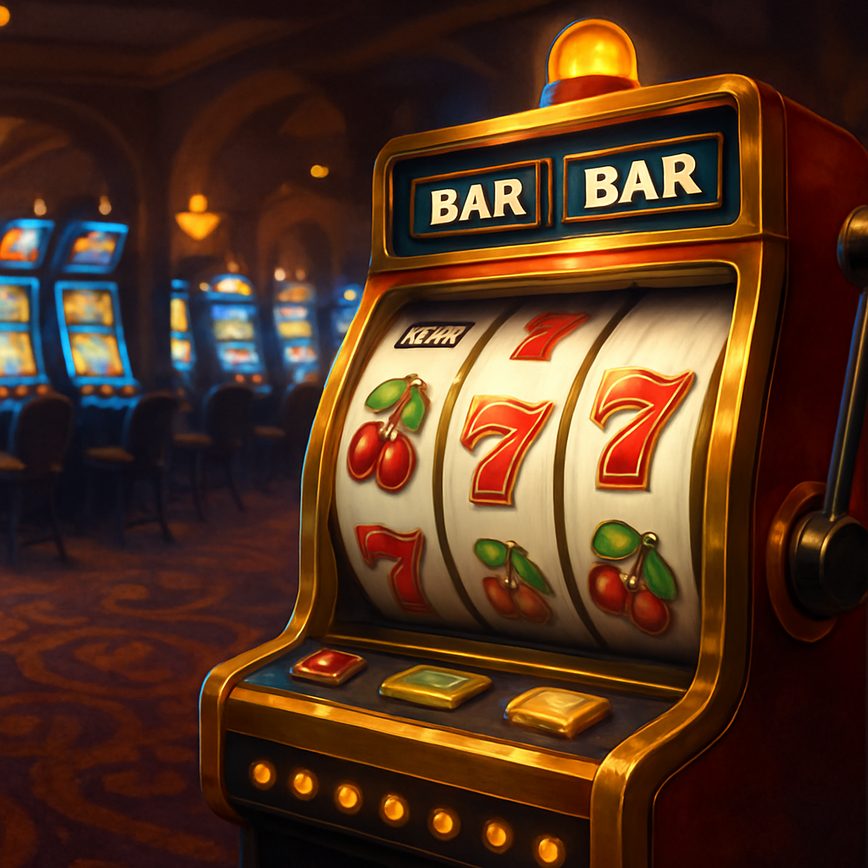
The Role of Psychology in Slot Machine Design
Psychology plays a crucial role in slot machine design by leveraging behavioral influence to enhance player engagement. Designers harness various psychological principles to create experiences that captivate players, encouraging prolonged interaction and repeated play. By understanding how the human mind works, particularly in terms of cognitive biases and motivation factors, slot machines are engineered to appeal directly to players’ decision-making processes and emotional responses.
One of the core psychological concepts applied in slot machine design is the use of cognitive biases. For example, the “near-miss” effect occurs when players narrowly miss a jackpot, making them believe success is just within reach. This bias increases a player’s motivation to continue playing, as the brain interprets near misses as evidence that a win is imminent. Similarly, the variable ratio reinforcement schedule—a principle borrowed from behavioral psychology—means players receive unpredictable rewards, which has been found to be highly addictive. The unpredictability of wins keeps players engaged, as they are driven by the anticipation of potential rewards rather than consistent outcomes.
Motivation factors are equally significant in shaping slot machine experiences. Slot machines often provide immediate feedback through flashing lights, sounds, and animations, all of which trigger dopamine release in the brain. This chemical response fosters a sense of pleasure and excitement, reinforcing continued play. Additionally, many machines incorporate small wins regularly, which satisfy the player’s need for reward without depleting the casino’s profits. By balancing wins, losses, and near-misses, designers create a compelling loop that keeps players motivated and emotionally invested.
Moreover, the layout and visuals of slot machines are tailored to maximize engagement. Bright colors, engaging themes, and sensory stimuli all contribute to players’ focus and arousal, making the experience more immersive. The design also reduces the perception of time passing, often causing players to lose track of their session length. This results from the combination of psychological tactics aimed at creating an environment conducive to extended play, wherein the player’s attention is continually captured and their decision-making influenced at a subconscious level.
In summary, psychology is fundamental to slot machine design. By exploiting cognitive biases such as the near-miss effect and variable reinforcement, alongside motivating players through sensory feedback and carefully structured rewards, slot machines successfully engage players both behaviorally and emotionally. This strategic application of psychological principles ensures an immersive, enticing experience that drives player engagement and retention.
Cognitive Biases Leveraged by Slot Machines
Slot machine designers skillfully exploit various cognitive biases to enhance player engagement and prolong gameplay. Among the most notable biases is the illusion of control, where players believe their actions, such as timing the button press or selecting specific symbols, can influence the outcome of an inherently random game. This false sense of agency encourages continued play despite the game’s unpredictability.
Another powerful psychological mechanism is the near-miss effect. When players experience results that closely resemble a win—such as two matching symbols aligned with one just off position—the brain interprets this near success as an indicator that victory is within reach. This perception intensifies excitement and motivates players to keep trying, hoping the next spin will yield a jackpot.
These cognitive biases are central to the study of gambling psychology, demonstrating how subtle manipulations of player perception can impact behavior. By integrating these biases into the design, slot machines create a compelling experience that maintains players’ interest and increases the duration of play sessions. Understanding these cognitive influences is key to recognizing the psychological underpinnings behind the addictive nature of slot machines.
Motivational Triggers in Slot Machine Gameplay
Slot machines are expertly designed to engage player motivation through carefully crafted motivational triggers embedded within their reward systems. Central to this design is the concept of intermittent reinforcement schedules, where rewards are given at unpredictable intervals rather than consistently. This unpredictability heightens excitement and anticipation, making each spin an event filled with potential and surprise.
When players experience wins or near-wins, their brain releases dopamine, a neurotransmitter associated with pleasure and reward. This dopamine release reinforces the desire to continue playing, as the brain begins to anticipate these bursts of enjoyment. The cyclical nature of reward and anticipation cultivates a strong psychological pull, compelling players to engage repeatedly despite knowing the odds are against them.
The design of slot machines taps into the brain’s reward system by leveraging these intermittent rewards to maintain engagement. The mixture of random wins and near-misses intensifies dopamine release, sustaining player motivation over extended periods. This creates an addictive pattern, where the excitement of potential reward is as motivating as the reward itself, encouraging repeated play and prolonged engagement with the game.
Design Elements That Influence Player Experience
Slot machines are meticulously crafted using various design elements aimed at enhancing the overall user experience and keeping players engaged. Among these, visual design plays a central role by providing an attractive and immersive environment. Bright colors, dynamic animations, and themed graphics work together to capture players’ attention and create excitement. Each visual component, from the spinning reels to the background imagery, is carefully designed to maintain an aesthetic appeal that entices players to continue playing.
In addition to visuals, audio cues are instrumental in shaping player behavior and experience. Sound effects like the clinking of coins, celebratory jingles, and spinning noises deliver important feedback and reinforce the thrill of winning moments. These audio signals stimulate the brain’s reward system, making the gameplay more engaging and immersive. The strategic use of sound enhances anticipation and excitement, ensuring players remain emotionally connected to the game.
The user interface (UI) also significantly influences the player’s interaction with slot machines. A well-designed UI ensures smooth navigation and intuitive controls, allowing players to easily understand how to place bets, spin the reels, and access game features. By simplifying gameplay and minimizing frustration, the UI contributes to a positive user experience. Elements such as clear buttons, informative displays of credits and wins, and responsive touchscreens are examples of thoughtful interface design that heightens player satisfaction.
Combining these design elements—visual design, audio cues, and user interface—creates a comprehensive sensory experience that captivates players. The synergy between what players see, hear, and how they interact with the machine engenders a compelling and enjoyable gaming atmosphere. This immersive design approach not only enhances user experience but also encourages prolonged engagement, making slot machines both entertaining and psychologically persuasive.
Visual and Audio Stimuli in Slots
Bright colors, flashing lights, and distinct sound effects are fundamental elements in the sensory design of slot machines. These visual stimuli instantly capture the player’s attention and create an engaging atmosphere that encourages prolonged play. The vibrant hues and dynamic lighting not only make the machine visually appealing but also stimulate excitement and anticipation with every spin.
Audio cues, including slot machine sounds such as jingles, bells, and celebratory tunes, reinforce positive outcomes and reward players psychologically. These sounds trigger a pleasurable response in the brain, enhancing the sensation of winning even during small payouts. The combination of audio and visual stimuli works synergistically to maintain player interest by creating an immersive experience that feels both thrilling and satisfying.
Furthermore, these sensory design elements help to mask the reality of losses by focusing on the excitement of near-wins and actual wins, effectively encouraging continued play. The consistent use of bright colors, flashing lights, and motivating slot machine sounds taps into players’ emotional responses, making the game more compelling and heightening the desire to play again.
User Interface and Accessibility Considerations
In slot machine design, the user interface plays a crucial role in ensuring player comfort and satisfaction. Intuitive controls that are easy to navigate help players quickly understand how to operate the game, reducing any potential frustration. When players can effortlessly manage game controls, it creates a seamless experience that invites repeated play and longer engagement sessions.
Accessibility considerations are equally important in creating a welcoming environment for all players. Designers incorporate features such as adjustable text sizes, clear icons, and high-contrast visuals to accommodate a diverse range of users, including those with visual impairments. These thoughtful design elements not only enhance usability but also demonstrate inclusivity, encouraging a wider audience to enjoy the game.
Easy-to-understand interfaces contribute significantly to reducing cognitive load during gameplay. When players do not have to decipher complex instructions or struggle with obscure controls, their overall comfort increases. This positive experience fosters greater satisfaction and enjoyment, which is essential for the success of any slot machine. Ultimately, prioritizing user interface and accessibility in game design ensures that all players can engage confidently and comfortably.
Ethical Considerations and Responsible Gaming
Slot machine design presents significant ethical challenges, particularly concerning the balance between profitability and player protection. Developers and operators must prioritize ethical design principles that promote responsible gaming and actively work to prevent gambling addiction. This responsibility extends beyond merely creating an engaging experience; it includes implementing features that safeguard players from potential harm.
One of the main ethical considerations in slot machine design involves transparency and fairness. Machines should clearly communicate the odds of winning and should not exploit player misconceptions. An ethical design approach ensures players are well-informed about the risks, reducing the likelihood of excessive or harmful gambling behavior. By designing with player protection in mind, the industry can foster trust and reduce stigma around gambling.
Features that encourage responsible gaming are crucial. These might include setting loss limits, session time reminders, and easy access to self-exclusion options. Slot machines can incorporate technology that tracks gambling behavior patterns, enabling early identification of risky behavior. When detected, automated prompts or interventions can encourage users to take breaks or seek help, thus mitigating the risk of addiction.
Another ethical strategy involves educating players about gambling addiction prevention directly through the game interface. Providing clear, accessible information about the signs of addiction and available support resources can empower players to make informed decisions. Operators can also promote a culture of responsibility by training staff to recognize problem gambling and assist players in need.
Ultimately, ethical design in slot machines requires a commitment to balance the thrill of gaming with the imperative of player well-being. Incorporating responsible gaming features not only protects individuals but also enhances the long-term sustainability of the gambling industry. By prioritizing player protection and addiction prevention, slot machine design can evolve into a safer and more ethical form of entertainment.
Balancing Engagement with Player Safety
In the design of slot machines, achieving an engagement balance is crucial for both player enjoyment and safety. Designers face the delicate challenge of creating games that captivate players while integrating safeguards to minimize the risk of gambling harm. This approach emphasizes design ethics, ensuring that user experience does not come at the cost of player welfare.
Player safety features, such as setting betting limits, providing clear information on odds, and incorporating cooldown periods, are now standard in many slot machines. These elements help mitigate the potential for addictive behaviors by encouraging responsible play. Designers must thoughtfully blend these protective measures without detracting from the game’s entertainment value, maintaining player engagement but discouraging excessive risk-taking.
Moreover, psychological insights into player behavior inform the ethical frameworks adopted in game development. By understanding how reward systems and sensory stimuli influence decision-making, designers can balance excitement with caution. This intentional design helps reduce the chances of impulsive gambling, aligning with broader gambling harm reduction initiatives.
Ultimately, the goal is to foster an enjoyable gaming environment where engagement and player safety coexist. Ethical design practices not only protect individuals but also enhance the long-term trust and reputation of the gaming industry. Balancing these priorities is essential for sustainable success in slot machine design.
Innovations Supporting Responsible Gambling
Modern slot machines incorporate a range of innovative tools and technologies designed to support responsible gambling. By embedding responsible gambling tools directly into the gameplay interface, players are empowered to maintain control over their gambling habits. Among the key innovations are self-exclusion options that allow players to temporarily or permanently block access to slot machines, helping those who recognize the need for a break or wish to prevent excessive play.
Limit setting features are another critical advancement. These tools enable players to establish predefined limits on time spent playing, the amount of money wagered, or losses incurred during a session. The slot machines then enforce these limits by notifying players as they approach their thresholds, or even stopping play automatically once a limit is reached. This proactive approach prevents accidental overspending and encourages a healthier relationship with gambling.
Innovations extend beyond self-imposed limits, incorporating real-time feedback mechanisms that inform players about their gambling patterns and behaviors. By increasing awareness through visual and auditory cues, players are more likely to recognize risky behavior early. Additionally, some slot machines utilize data analytics combined with machine learning algorithms to identify risky playing patterns, prompting personalized interventions or offering support resources to encourage responsible play.
Overall, these technological advancements in slot machine design reflect a commitment to responsible gambling by providing players with effective tools for self-regulation, making gambling a safer and more enjoyable activity.

I have spent the last decade exploring the nuances of online gaming, from slot volatility to table game strategy, to understand what truly makes a casino platform stand out. My weekends are dedicated to testing different sites and bonus offers to provide clear, honest insights for fellow players. I focus on the practical aspects of gameplay and user experience to help others find the best entertainment value.