
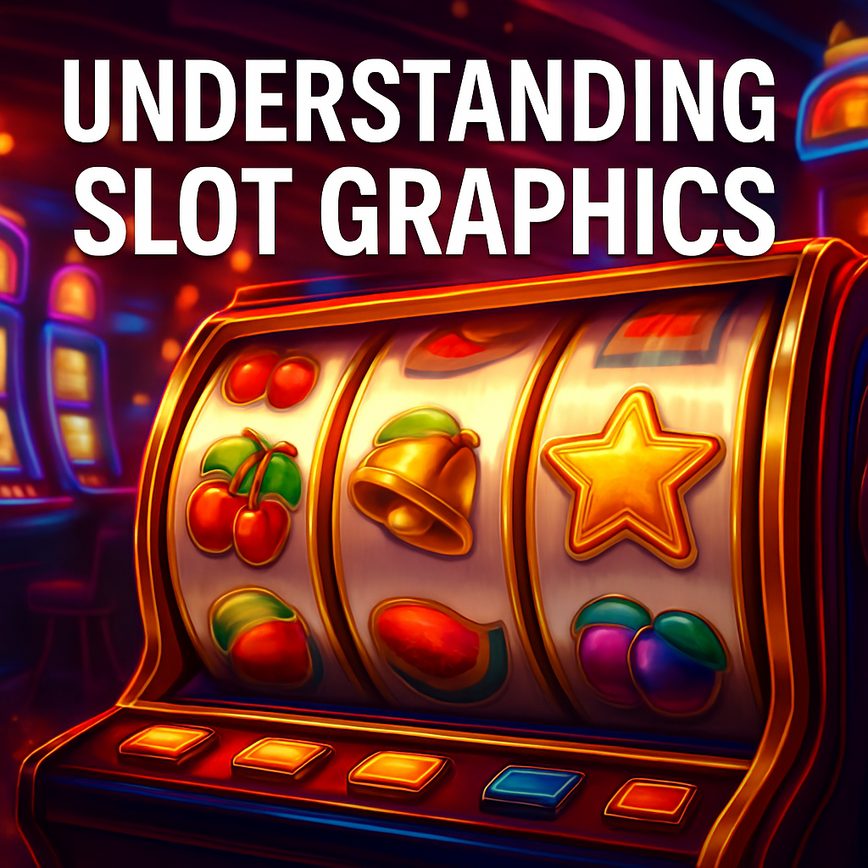
Understanding Slot Graphics
Slot graphics refer to the visual design elements that make up the appearance of a slot game. These include the symbols, backgrounds, animations, and overall aesthetic style that define the look and feel of the game. The quality and creativity of slot graphics are crucial because they shape the player’s first impression and can greatly influence engagement and enjoyment.
The role of slot graphics transcends mere decoration. They play an essential role in creating an immersive gaming experience by bringing slot themes to life. Whether a game is themed around ancient civilizations, fantasy worlds, or classic fruit machines, the visual design helps transport players into the slot’s unique environment. This immersion enhances emotional involvement, making gameplay feel more exciting and enjoyable.
Game visuals, including detailed iconography and smooth animations, capture players’ attention and keep them engaged longer. Well-crafted slot graphics can evoke moods, tell stories, and emphasize the theme’s identity, which makes the gameplay more memorable. The visual impact can also help players quickly understand the game mechanics and features, such as bonus rounds or special symbols, by using clear and intuitive graphic cues.
Moreover, slot themes combined with compelling visual design attract a wide variety of players. In a competitive market, striking slot graphics act as a powerful marketing tool that draws players toward a particular game among countless options. Players often choose games based on their visual appeal before even considering gameplay features or payouts. Thus, slot graphics not only enhance the user experience but also boost a game’s popularity and retention rate.
In summary, slot graphics are much more than just colorful images on the screen. They form the essential foundation that supports an engaging, immersive, and visually appealing gaming experience. The careful integration of slot themes and game visuals is key to attracting and maintaining player interest in the highly competitive landscape of online slots.
Types of Graphics Used in Slots
Slot games incorporate a variety of graphics technologies and styles, primarily including 2D graphics and 3D graphics, each bringing a unique feel to slot design. Traditional 2D graphics are flat and typically rely on detailed illustrations, symbols, and backgrounds. They are widely used for classic slots, offering a nostalgic and straightforward visual experience that emphasizes clarity and timeless themes.
On the other hand, 3D graphics add depth and realism, creating immersive environments that captivate players. These graphics utilize three-dimensional modeling techniques to render symbols, characters, and animations with shading and perspective, resulting in slots that feel dynamic and modern. The incorporation of 3D graphics has raised the bar for visual storytelling in slot design, often blending cinematic effects with engaging gameplay.
Animation plays a vital role across both 2D and 3D styles, enhancing the overall player experience. Animated symbols, bonus rounds, and win celebrations help maintain excitement and visual interest, making the gameplay more interactive. Effective animation in slot games seamlessly integrates with graphics to highlight key moments and keep players engaged without overwhelming the core mechanics.
In summary, the choice between 2D graphics, 3D graphics, and animation techniques depends largely on the target audience and game theme. While 2D graphics offer simplicity and charm, 3D graphics and animation bring modern flair and immersive depth, all contributing uniquely to the artistry of slot design.
Impact of Graphics on Player Engagement
High-quality graphics play a crucial role in enhancing player engagement in slot games. Visual appeal is often the first aspect that attracts players, creating an immediate connection and setting the tone for their overall user experience. When graphics are vibrant, detailed, and well-designed, they can immerse players more deeply into the slot’s theme and storyline, increasing the sense of slot immersion. This immersion not only makes the game more enjoyable but also encourages longer play sessions.
Moreover, polished graphics contribute to a game’s perceived quality, making it feel more professional and trustworthy. Players tend to associate better visual quality with fairness and superior gameplay mechanics, which boosts their confidence in the game. As a result, high-quality visuals can lead to increased retention rates as players are more likely to return to a game that offers an appealing and engaging environment. Consequently, developers prioritize graphics not just for aesthetics but also as a key factor in optimizing player engagement and satisfaction.
In summary, the impact of graphics on player engagement is profound. Exceptional visual appeal enriches the user experience by drawing players into the game’s world, reinforcing slot immersion, and ultimately enhancing their enjoyment and loyalty. While gameplay mechanics are essential, it is often the combination of captivating graphics and smooth gameplay that creates the most compelling slot experience.
Exploring Slot Gameplay Mechanics
Slot gameplay is the core experience that defines a player’s engagement and enjoyment, transcending beyond just impressive slot graphics. Understanding the game mechanics behind slot gameplay reveals how different elements combine to create an immersive and potentially rewarding experience. At its heart, slot gameplay involves spinning reels with various symbols, where the outcome is determined by random number generators (RNGs) to ensure fairness and unpredictability.
Key game mechanics include paylines, reel configurations, and symbol types, each contributing to the overall dynamics of slot gameplay. Paylines determine the paths where winning combinations must land, and modern slots may feature anywhere from a few to hundreds or even thousands of paylines, increasing the chances of winning. Reel setups can vary from classic three-reel formats to more intricate five or six-reel designs with multiple rows, affecting both the gameplay pace and complexity.
Bonus features are a vital aspect of slot gameplay that significantly enhances player satisfaction. These include free spins, multipliers, cascading reels, wilds, scatters, and mini-games that add layers of excitement and interactive opportunities. Bonus features not only provide chances for bigger wins but also introduce strategic elements and variety, making each spin more engaging.
Winning strategies in slots often focus on understanding the volatility and return to player (RTP) percentages. Volatility indicates how frequently and how much a slot pays out; high volatility slots may pay large jackpots but less often, while low volatility ones give smaller wins more regularly. Players might choose a slot based on their risk tolerance and preferred style of play. Meanwhile, RTP offers an estimate of the total payback over time, guiding players toward games that statistically offer better returns.
Overall, slot gameplay success and enjoyment boil down to how well the mechanics and bonus features are designed to balance randomness with rewarding opportunities. Players seek slots with entertaining graphics but ultimately prioritize game mechanics that offer fair chances, engaging bonus rounds, and optimal winning strategies. This balance is the essence of slot gameplay satisfaction, where mechanics and features matter more than just visual appeal.
Core Gameplay Elements in Slots
Slot games operate through several fundamental gameplay elements that shape the player’s experience and determine the outcome of each spin. At the heart of the game are the reels, which are the vertical sections that spin and display various symbols. The arrangement and number of reels can vary, typically ranging from three to five or more, influencing the complexity and style of the game.
Paylines are the specific lines across the reels where matching symbols must land for a player to win. These lines can be straight, zigzag, or take other shapes, and the number of paylines varies widely between games. Some slots offer a single payline while others boast hundreds, greatly expanding the potential ways to win and adding to the excitement of spins.
Symbols are the icons that appear on the reels and form combinations on the paylines. These can include traditional fruit symbols, numbers, letters, or thematic images depending on the slot’s design. Special symbols like wilds and scatters add extra layers of interaction and can trigger bonus rounds or free spins, increasing player engagement.
Underlying all these visual elements is the random number generator (RNG), a crucial component ensuring fairness by producing random outcomes for each spin. The RNG guarantees that every spin is independent and unpredictable, making sure the game’s results are fair and unbiased. Together, these core gameplay elements create the essential framework that defines how slot games function and how outcomes are decided.
Role of Bonuses and Features
Bonuses and special features play a crucial role in enhancing the gameplay experience by adding excitement and depth to slot games. Common gameplay features like bonus rounds, free spins, wilds, and multipliers not only increase the chances of winning but also inject variety into the gaming session, preventing monotony.
Bonus rounds often serve as mini-games within the slot, allowing players to engage with interactive elements that go beyond simple spinning reels. These rounds can significantly boost player engagement by offering unique challenges or rewards, making the game more immersive and rewarding.
Free spins are another popular feature that provides players with extra opportunities to win without placing additional bets. These spins can come with added enhancements such as expanding wilds or stacked symbols, increasing the potential for big wins.
Wild symbols act as substitutes for other symbols, helping to complete winning combinations more easily. When combined with multipliers, which multiply the winnings by a specific factor, wilds can drastically increase payouts. Multipliers may also appear during free spins or bonus rounds, adding layers of complexity and anticipation to the gameplay.
Together, these bonuses and features enrich the slot experience by blending chance with strategic excitement, keeping players entertained and motivated to continue spinning the reels. They are key elements that transform simple slot games into thrilling adventures full of surprises.
Slot Graphics vs Gameplay: Finding the Balance
When it comes to the debate of graphics vs gameplay in slot games, player preferences tend to vary, but what truly determines game success is a balanced blend of both elements. Graphics often form the first impression, attracting players with vibrant visuals, captivating animations, and themed designs. However, without engaging gameplay, these graphics can quickly become superficial and fail to retain player interest over time.
Slot priorities typically start with gameplay mechanics because players seek an immersive and rewarding experience. Game features like bonus rounds, free spins, progressive jackpots, and innovative payline structures make gameplay enjoyable and encourage repeated play. Even the most stunning graphics cannot compensate for dull or repetitive gameplay, as players value interactivity and excitement above mere aesthetics.
That said, high-quality graphics enhance the overall gaming atmosphere and contribute to a more immersive gaming session. Detailed symbols, dynamic backgrounds, and smooth animations engage the senses and complement the gameplay, elevating the player experience. This aesthetic appeal can boost emotional connection, making players more likely to stay longer and return.
Ultimately, striking the right balance between slot graphics and gameplay is key to catering to diverse player preferences. While some players prioritize visual appeal and are drawn to cutting-edge graphics, others focus squarely on innovative gameplay that offers meaningful wins and excitement. Developers aiming for game success must carefully design both aspects to meet player expectations and create an engaging, memorable experience.
In conclusion, while graphics serve as an important initial hook, gameplay holds greater weight in maintaining sustained player interest and satisfaction. Understanding and respecting player preferences in this graphics vs gameplay discussion ensures games can deliver on their promises, making the balance between the two not just desirable but essential for any slot’s success.
Player Preferences and Market Trends
Research into player behavior and slot trends reveals varied gaming preferences across different segments of the market. Surveys consistently show that while some players prioritize cutting-edge slot graphics for an immersive experience, others place greater value on gameplay mechanics and the potential for winning. Market analysis indicates that casual players often gravitate towards visually stunning slots with appealing themes to enhance their entertainment experience. In contrast, more experienced or strategic players tend to prioritize gameplay features such as volatility, bonus rounds, and payout frequency, which directly influence their engagement and satisfaction.
Further studies suggest that younger demographics are more attracted to innovative graphics and dynamic animations, associating high-quality visuals with overall game excellence. On the other hand, older players or those with a strong gambling background often assess games based on gameplay depth and fairness rather than aesthetic appeal. This divergence highlights the need for developers to balance both graphics and gameplay to cater to an increasingly diverse player base. Ultimately, the industry must continually adapt to evolving slot trends to meet the expectations identified through ongoing market analysis and player behavior insights.
Creating Successful Slot Games
In the fast-evolving world of game development, creating successful slot games requires a harmonious design balance between graphics and gameplay. Developers must prioritize user satisfaction by ensuring that visuals captivate players without overshadowing the core mechanics of the game. Stunning graphics draw initial attention, but it is the engaging gameplay that fosters long-term retention and enjoyment.
To maximize slot success, it’s essential to integrate aesthetics that complement rather than compete with gameplay elements. Smooth animations, thematic consistency, and intuitive interfaces enhance the player’s experience, but these must be paired with well-designed, rewarding gameplay that keeps players invested. Features such as clear rules, balanced volatility, and attractive bonus rounds encourage continued play.
Developers should also leverage user feedback and analytics to refine this balance continuously. Understanding player preferences can guide whether to enhance graphics further or innovate game mechanics. Ultimately, the combination of visually appealing design and immersive gameplay is what ensures users remain engaged and satisfied, driving the slot’s overall success in a competitive market.

I have spent the last decade exploring the nuances of online gaming, from slot volatility to table game strategy, to understand what truly makes a casino platform stand out. My weekends are dedicated to testing different sites and bonus offers to provide clear, honest insights for fellow players. I focus on the practical aspects of gameplay and user experience to help others find the best entertainment value.