
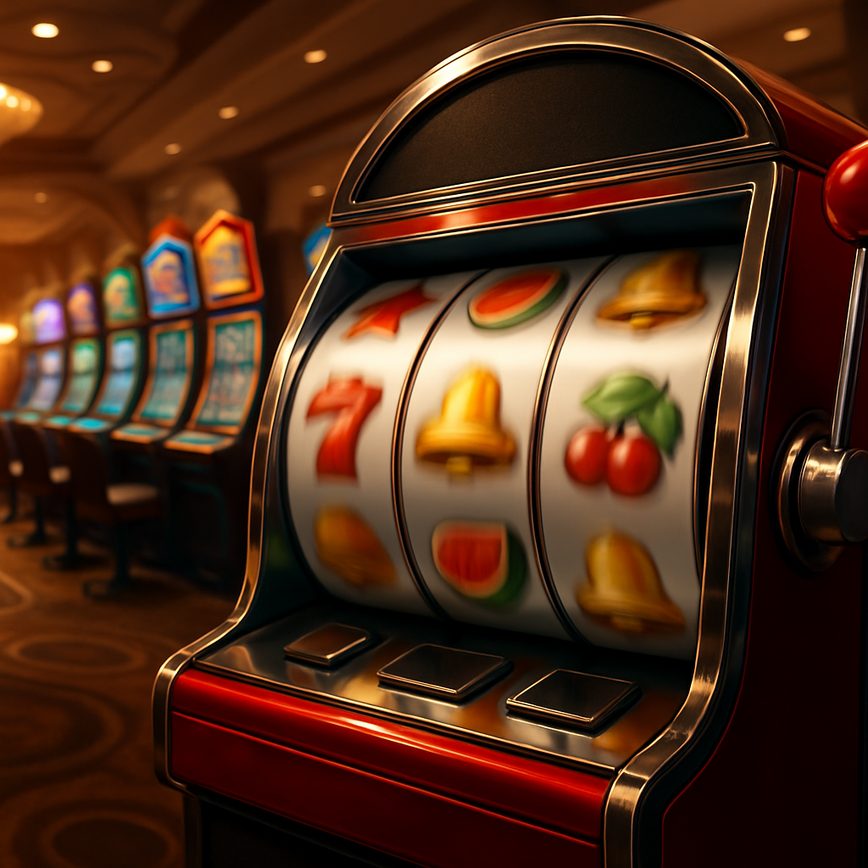
Understanding Skill and Luck in Slot Games
In slot games, the concepts of skill vs luck play distinct roles that shape the player’s experience and potential outcomes. Understanding these two factors—skill and luck—is essential to making sense of how slot games function and why results may vary from player to player.
Luck in slot games primarily refers to chance—the random element of gameplay that determines the outcome of each spin. Slot games rely on Random Number Generators (RNGs), which ensure that every spin is independent and unpredictable. This means that no amount of strategic planning can influence the exact combination of symbols that appear on the reels. As a result, luck is the dominant factor affecting which spins win or lose. Players experience this chance aspect every time they play, reinforcing the notion that slot outcomes are random.
On the other hand, skill in slot games involves the player’s understanding of game mechanics and the ability to make informed decisions within the constraints of the game. While slot gameplay does not require complex strategies like other casino games (e.g., poker or blackjack), there are still elements of skill that come into play. For instance, knowing when to adjust bet sizes, which slot machines to play based on volatility and payout rates, or recognizing bonus features can enhance the overall gaming experience and potentially improve long-term results.
However, it’s important to emphasize the interplay of chance vs strategy when discussing skill vs luck in slot games. Although strategy can influence how wisely players manage their bankroll, the inherent randomness of slot games means that luck ultimately governs the outcome of each spin. The design of the slot’s game mechanics ensures that no skillful tactic can predict or alter the result predetermined by the RNG.
In conclusion, slot games are primarily games of luck with a minor role for skill. Players influence outcomes through smart choices relating to game selection and bet management, but the randomness embedded in game mechanics is what fundamentally shapes the results. Recognizing this balance between skill and luck can help players set realistic expectations and enjoy slot games responsibly.
The Role of Luck in Slot Machines
Luck in slots is the primary factor that determines the outcome of each spin, as these games are designed around the concept of chance rather than skill. The random number generator (RNG) is the core technology behind slot machines, ensuring that every spin is independent and unpredictable. This sophisticated system continually produces random numbers that correspond to different symbols on the reels, meaning that no two spins are the same and the probability of winning is constantly reset.
Because the RNG governs the game results, players cannot influence the outcome by strategy or timing. Instead, the probability of hitting a winning combination is based purely on luck, making each spin a game of chance. This element of unpredictability is what makes slot machines thrilling and appeals to players seeking an entertaining experience driven by random outcomes rather than predictable patterns.
Understanding the role of luck in slots helps set realistic expectations for players. Since the results are determined by chance, the probability of winning remains consistent regardless of previous spins or any external factors. Therefore, enjoying slot games should focus on entertainment value rather than attempting to outsmart the machine, as luck in slots is truly the defining factor behind every win or loss.
Skill Elements in Slot Gaming
While slot games are largely associated with luck, there are important areas where skill in slots can substantially influence your gameplay experience. One key aspect is the ability to make informed player decisions, especially when it comes to choosing betting strategies. Understanding the variation in bet sizes and how they impact potential payouts allows players to tailor their wagers to their bankroll and gaming goals. This strategic approach helps in maximizing enjoyment while minimizing losses.
Another critical skill element is a thorough understanding of paylines and game mechanics. Recognizing how paylines function—whether they are fixed or adjustable—enables players to determine the most advantageous way to place bets. Knowledge of special features like wild symbols, scatters, and bonus rounds further enriches strategic decision-making, giving players a better chance to capitalize on the game’s offerings.
Effective bankroll management is also essential in slot gaming. Players who apply discipline in managing their funds, set loss limits, and know when to walk away demonstrate a higher level of skill. This control reduces the risk of significant losses and promotes longer, more enjoyable play sessions. Ultimately, combining game knowledge with savvy betting strategies and bankroll control enhances the player’s ability to navigate slots successfully, proving that skill, though often underestimated, plays a meaningful role in slot gameplay.
Comparing Strategies: Skill-Based vs Pure Luck Slots
When exploring slot strategies, one important factor to consider is the distinction between skill-based slots and luck-based slots. These game types fundamentally differ in how outcomes are determined, which in turn affects the strategies players can employ. While both types offer entertainment and winning potential, the approach to playing effectively varies significantly.
Luck-based slots, the most traditional form of slot games, rely almost entirely on chance. The reels spin randomly, and the results are governed by a random number generator (RNG). This means that no matter what strategy a player uses, the outcome remains unpredictable and independent from previous spins. Because of this, slot strategies for purely luck-based slots typically center on managing your bankroll and setting limits rather than attempting to influence the results. Players might use tactics such as choosing machines with higher return-to-player (RTP) rates or playing within set timeframes to optimize their overall chances, but the element of skill is minimal.
In contrast, skill-based slots introduce an interactive component that allows player decisions to impact the game results. These games often combine traditional slot mechanics with mini-games, puzzles, or challenges where skill and strategy can improve the chances of winning. For example, some skill-based slots require players to make choices during bonus rounds or to complete tasks at a certain speed or accuracy. Because player input can affect the outcome, developing effective slot strategies includes practicing these interactive elements, learning game patterns, and improving reaction times or decision-making skills.
The presence of skill shifts the player’s role from a passive participant to an active competitor, making slot strategies more complex and engaging. It’s important to understand that not all skill-based slots offer equal opportunities for strategy influence; some might lean heavily on skill elements, while others only include minor interactive features. Therefore, players interested in skill-based slots should prioritize games that balance luck and skill in a way that allows meaningful strategy development.
To summarize, understanding the differences between skill-based and luck-based slots is essential in choosing the right slot strategies. Luck-based slots demand a focus on responsible bankroll management and selecting favorable game types, whereas skill-based slots reward practice, quick thinking, and strategic decision-making. By tailoring your approach to the specific game type, you can enhance your overall gaming experience and potentially increase your chances of success.
Classic Slots and Luck-Driven Gameplay
Classic slots, often referred to as traditional slots, are among the earliest forms of slot machines found in casinos. These games are designed around a simple concept where the outcome is determined almost entirely by chance. Unlike modern slot games that might incorporate elements requiring player interaction or strategy, classic slots focus mainly on random outcomes. Each spin in a classic slot operates independently, relying on a Random Number Generator (RNG) to ensure fairness and unpredictability.
Since classic slots are luck games, players do not need to apply any particular skill to influence the results. There are no decisions to be made beyond choosing the amount to wager and pressing the spin button. The symbols that land on the reels are purely the product of random chance, making it impossible to predict or control the outcome. This reliance on randomness is what gives traditional slots their charm but also means that winning is entirely a matter of luck.
In summary, the gameplay of classic slots is straightforward and heavily luck-driven. Unlike skill-based games, the player’s experience in traditional slots hinges on random outcomes, with little to no influence from player skill or strategy. This simplicity and reliance on chance are why classic slots continue to be popular among those who enjoy a pure luck-based gaming experience.
Modern Slots with Skill-Based Features
Modern slots have evolved beyond pure chance by incorporating skill-based features that engage players more interactively. Unlike traditional slots that rely solely on luck, these interactive slots introduce elements where players can influence the outcome through their decisions and actions. This shift appeals to gamers looking for a more immersive and mentally stimulating experience.
One of the most notable skill-based features in newer slot games is the inclusion of interactive bonus rounds. These rounds often require players to make strategic choices or complete mini-games that affect the rewards they can earn. The level of player input in these phases means that skillful gameplay can lead to better outcomes, adding an extra layer of excitement and challenge beyond spinning the reels.
Skill-based features in modern slots might include decision-making points where players select paths, answer questions, or engage in timing-based tasks. These mechanisms not only enhance player involvement but also help differentiate slots in a crowded market by offering unique gameplay experiences. As a result, players feel a greater sense of control and accomplishment, which can increase their enjoyment and time spent on the games.
Overall, the integration of skill-based features in modern slots is transforming the way these games are played, shifting from pure randomness to a blend of luck and player skill. This innovation is redefining slot gaming, making it more dynamic and appealing to a broader audience seeking both fun and a challenge.
Maximizing Your Chances: Balancing Skill and Luck
When it comes to slot games, understanding how to maximize chances requires a thoughtful blend of luck and skill. Although slot games are predominantly luck-based, employing smart strategies can enhance your overall experience and improve your potential for winnings. The key lies in recognizing the balance between the two and using slot tips that help leverage this dynamic.
First and foremost, set a budget before starting your gameplay. Managing your bankroll is one of the most effective winning strategies. It ensures you avoid overspending and allows you to play responsibly over a longer period, increasing your chance to hit the more lucrative payouts. By controlling your wager size relative to your total budget, you maintain a healthy balance between risk and reward, which is part skillful money management and part luck.
Next, make use of slot tips such as selecting games with higher return-to-player (RTP) percentages. RTP is a key metric that indicates the average amount a machine returns to players over time. While this doesn’t guarantee a win, choosing slots with better RTP statistics is a skillful way to improve your long-term odds, giving luck a more favorable ground to work on.
Another strategic move is to understand the paytable and bonus features of the slot game you are playing. Familiarize yourself with special symbols, free spins, multipliers, or progressive jackpots. Skillfully selecting games that offer these features can help maximize chances of winning substantial rewards when luck is on your side.
Timing and session length also play a role in balancing luck and skill. Avoid chasing losses or playing for excessively long periods without a break. Instead, use your skill to know when to stop, ensuring you walk away while still ahead or before losses grow too large. Luck fluctuates, but disciplined gameplay helps keep your experience positive and productive.
Ultimately, winning strategies for slot games combine an understanding of the game’s mechanics, smart bankroll management, and a realistic appreciation of luck’s role. By weaving skillful planning into the inherently random game of slots, you can maximize chances and enjoy a rewarding gaming experience that balances both luck and skill effectively.
Effective Bankroll and Bet Management
Effective bankroll management is a crucial skill for anyone looking to succeed in slot games over the long term. By carefully managing your gambling funds, you can minimize losses and extend your playtime, allowing for more opportunities to benefit from skillful betting strategies. Start by setting a strict budget for your gaming session and sticking to it regardless of outcomes. This risk control technique helps prevent the temptation to chase losses, which can quickly deplete your bankroll.
Adopting smart gambling habits includes breaking your bankroll into smaller units and wagering only a small percentage on each spin. This practice helps maintain your bankroll for longer periods and reduces the risk of significant losses from a single bet. Skillful players frequently adjust their bet sizes based on their current bankroll and game performance, which reflects dynamic risk control rather than fixed, thoughtless betting.
Another effective betting strategy involves analyzing slot game volatility and payout patterns before placing larger bets. Games with lower volatility often allow for steadier returns and can be safer for players practicing disciplined bankroll management. Conversely, understanding when to increase bets in higher volatility situations can maximize potential rewards without risking the entire bankroll at once.
Overall, integrating bankroll management with thoughtful betting strategies forms the basis of skillful play in slots. These approaches help control risk, maximize entertainment value, and improve the likelihood of sustained success through smart gambling practices.
Choosing the Right Slot Games
When it comes to slot selection, understanding key factors like game RTP (Return to Player), volatility, and the presence of skill vs luck slots can greatly influence your overall experience and success. The RTP represents the percentage of all wagered money a slot machine is programmed to pay back to players over time. Opting for games with a higher RTP can improve your odds, as these machines typically return more winnings in the long run.
Volatility, on the other hand, defines the risk level of a slot game. Low volatility slots tend to offer smaller, more frequent payouts, which suit players looking for steady gameplay without big swings. High volatility slots are best for those willing to take bigger risks for a chance at substantial jackpots but with less frequent wins. Balancing your preference between RTP and volatility helps match the slot’s payout pattern to your playing style.
Additionally, in the skill vs luck slots debate, some games incorporate skill-based elements allowing players to influence outcomes to a degree. These slots provide a unique appeal to those who enjoy a more interactive experience where decision-making affects results, alongside traditional luck mechanisms. Evaluating whether you prefer pure luck slots or those combining skill components can enhance your engagement and potentially improve your chances.
In summary, choosing the right slot game means considering the game RTP, volatility, and how much skill plays a role. By aligning these factors with your personal style and tolerance for risk, you can optimize your enjoyment and potentially your winnings in slot games.

I have spent the last decade exploring the nuances of online gaming, from slot volatility to table game strategy, to understand what truly makes a casino platform stand out. My weekends are dedicated to testing different sites and bonus offers to provide clear, honest insights for fellow players. I focus on the practical aspects of gameplay and user experience to help others find the best entertainment value.