
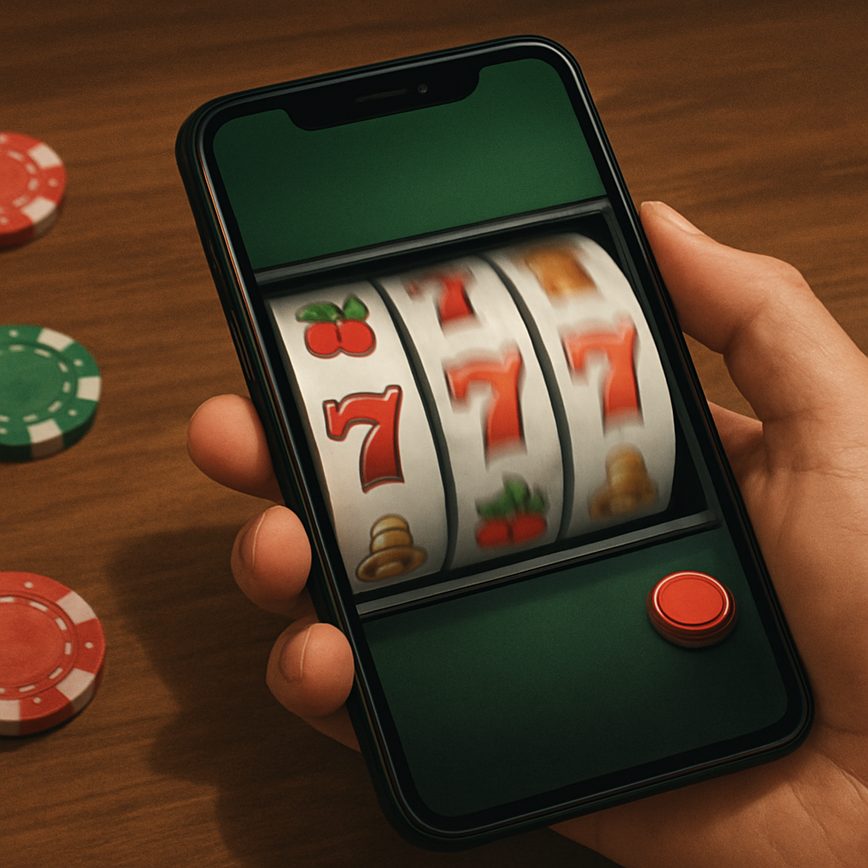
Stress factors also play a significant role in developing mobile gambling fatigue. The pressure to win, managing losses, and the unpredictability of outcomes can create high stress levels for players. This emotional strain contributes to both physical and mental fatigue, making it harder to maintain focus and enthusiasm during gameplay. Stress from external life factors can compound this effect, amplifying the sense of burnout.
Additionally, poor gambling habits can worsen fatigue. Skipping breaks or playing with unrealistic expectations often pushes players beyond healthy limits. Without regular pauses to rest, the brain does not get adequate time to recover, resulting in decreased concentration and impulsivity. These habits contribute to a cycle that reinforces exhaustion and disinterest in gambling activities.
In conclusion, the causes of mobile gambling fatigue often stem from a mix of overuse, stress factors, and poor gambling habits. Recognizing these causes can help players take proactive steps to manage their gaming sessions, ensuring they remain enjoyable and balanced rather than a source of fatigue.
Impact on Mental and Physical Health
Mobile gambling fatigue can have significant consequences on both mental health and physical well-being. Players often experience increased stress levels as the continuous gambling activity demands constant attention, leading to mental exhaustion. This persistent stress may contribute to anxiety, depression, and a decline in overall emotional stability, making it harder for individuals to maintain balanced, healthy mental states.
Physically, the fatigue impact may manifest in various ways, such as headaches, eye strain, and disrupted sleep patterns due to extended screen time and erratic schedules. The sedentary nature of mobile gambling can also contribute to muscle tension and reduced physical fitness, which further exacerbates feelings of lethargy and discomfort. These physical effects are often overlooked but play a crucial role in amplifying the negative cycle of fatigue and its impact on the body.
Moreover, the combination of mental stress and physical strain can impair decision-making abilities and reaction times, potentially leading to riskier gambling behaviors and increased losses, which further fuel stress. Recognizing these signs and addressing them early is essential to minimize long-term damage. Overall, understanding the mental health and physical effects of mobile gambling fatigue is critical for promoting safer gambling habits and protecting players’ well-being.
Common Signs of Mobile Gambling Fatigue Players Often Ignore
- Constant Restlessness: One of the key signs of fatigue that players often overlook is a persistent feeling of restlessness while gambling. This symptom may cause players to continually switch games or increase their betting frequency in an attempt to chase excitement.
- Decreased Enjoyment: Ignored symptoms include the gradual loss of pleasure in mobile gambling activities. Players may continue playing out of habit rather than genuine enjoyment, which can be a warning sign of underlying fatigue.
- Impaired Concentration: Reduced focus and inability to make strategic decisions are classic signs of fatigue that players frequently dismiss. This impaired awareness can lead to poor gameplay choices and potentially substantial losses.
- Emotional Irritability: Increased irritability or frustration during or after gambling sessions is a subtle yet crucial warning sign. Gamblers might brush off these feelings, not realizing that emotional distress is often intertwined with fatigue.
- Neglecting Responsibilities: Another often overlooked sign is neglecting everyday responsibilities and social interactions due to excessive focus on mobile gambling. This behavior signals that fatigue is impacting broader aspects of a player’s life.
- Physical Symptoms: Fatigue often manifests physically as headaches, eye strain, or fatigue-related sleep disturbances. Players may ignore these physical warnings, attributing them to other causes, which can exacerbate the fatigue.
- Denial and Minimization: Perhaps the most common ignored symptom is denial. Players may consciously or unconsciously minimize their feelings of tiredness and fatigue, ignoring these critical warning signs that call for a break or change in their gambling habits.
Recognizing these signs of fatigue is essential for player awareness and effective management of their gambling behavior. Ignoring these symptoms can lead to more severe issues, highlighting the need for players to be vigilant and responsive to their physical and emotional state while gambling.
Decreased Enjoyment and Motivation
One of the earliest but most commonly ignored signs of mobile gambling fatigue is a noticeable loss of interest in the activity. Players who once found excitement and thrill in gambling begin to experience a motivation drop, leading to reduced enjoyment during their sessions. This decline isn’t always obvious at first; it creeps in subtly, often masked by routine or habit rather than genuine enthusiasm. Fatigue symptoms such as this loss of interest can significantly impact the overall gambling experience, turning what was once a fun pastime into a monotonous chore.
When motivation drops, players may find themselves less engaged, less focused, and less stimulated by wins or losses. This lack of emotional investment can reduce the anticipation and adrenaline that normally fuel gambling excitement. As a result, the activity no longer delivers the same level of satisfaction or thrill, which can further perpetuate the cycle of decreased enjoyment. Over time, this can lead to players spending less time on games, or in some cases, playing just to pass time without any real interest.
Recognizing these early fatigue symptoms is crucial because ignoring them can evolve into more serious issues, such as increased frustration or even problematic gambling behaviors. By acknowledging the loss of interest and motivation early, players can take steps to reassess their gambling habits, perhaps taking breaks or finding new ways to rekindle the excitement. Understanding that this decreased enjoyment is a natural signal of fatigue is essential for maintaining a healthy relationship with mobile gambling.
Increased Irritability and Stress
Increased irritability and stress are common emotion changes experienced by players dealing with mobile gambling fatigue. As fatigue sets in, players may notice themselves becoming more easily frustrated or agitated, often over minor inconveniences during gameplay. This heightened irritability acts as a clear fatigue indicator, signaling that the player’s mental and emotional resources are being taxed beyond healthy limits. Stress levels also rise as the pressure to win or recover losses intensifies, leading to further emotional strain.
Despite these clear signs, players frequently overlook increased irritability and stress. One major reason is that these emotion changes often develop gradually, making it difficult for individuals to recognize just how stressed or irritable they have become. Additionally, many players mistake these feelings as normal reactions linked to game outcomes or external factors rather than symptoms of fatigue. This lack of awareness prevents timely intervention to reduce stress or take breaks, exacerbating the overall fatigue.
Ignoring these fatigue indicators can have serious consequences, potentially leading to poor decision-making, impulsive bets, and a negative gambling experience. Recognizing and addressing increased irritability and stress early can help players maintain better emotional balance and protect their well-being while enjoying mobile gambling responsibly.
Strategies to Combat and Prevent Mobile Gambling Fatigue
Mobile gambling fatigue can significantly impact enjoyment and even lead to unhealthy gambling habits. To prevent this, players should adopt effective fatigue management strategies that promote healthy gambling over the long term. Here are some actionable tips designed to help players maintain balance and reduce the risk of fatigue.
Firstly, setting clear limits on time and expenditure is essential. Players should use built-in tools or apps to monitor their gambling sessions, ensuring they don’t spend excessive hours or money in one go. Taking regular breaks can refresh focus and improve decision-making, which helps reduce mental exhaustion and boosts control.
Another critical prevention measure is maintaining a healthy lifestyle beyond gambling. Sleeping well, staying hydrated, and engaging in physical activity can improve overall resilience against fatigue. When players prioritize self-care, their ability to manage stress and gambling impulses strengthens, making fatigue less likely to occur.
Players should also diversify their recreational activities to avoid overreliance on mobile gambling for entertainment. Pursuing hobbies, socializing, and other interests provide mental stimulation and emotional satisfaction, which can prevent the burnout often associated with monotonous gambling routines. Developing a well-rounded lifestyle is a cornerstone of healthy gambling.
Implementing player tips like recognizing early signs of fatigue—such as irritability, frustration, and decreased attention—allows players to take proactive steps before exhaustion sets in. Acknowledging these signals and adjusting gameplay accordingly can prevent further negative consequences.
Lastly, players should consider seeking support when needed. Whether through responsible gambling helplines, forums, or professional counseling, accessing help is a strong fatigue management strategy. Building awareness and understanding of healthy gambling principles empowers players to make informed choices and enjoy a balanced relationship with mobile gambling.
Setting Time Limits and Taking Breaks
In mobile gambling, managing your time effectively is crucial to maintaining healthy gambling habits and minimizing fatigue. Setting time limits helps create boundaries that prevent excessive play, which can often lead to mental and physical exhaustion. By consciously deciding how long you will gamble in one session, you reduce the risk of burnout and keep the experience enjoyable rather than stressful.
Regular breaks during gambling sessions are equally important. These pauses allow your mind to rest and reset, helping you stay alert and make better decisions. Breaks also discourage continuous play driven by fatigue or frustration, which can contribute to poor choices and potential losses. Incorporating short breaks fosters self-awareness and control, essential components of responsible gambling.
Effective limit setting combined with intentional breaks enhances overall time management during mobile gambling activities. It supports balanced behavior, ensuring that gambling remains a fun and controlled pastime rather than an overwhelming compulsion. By committing to these strategies, players can better maintain their focus, reduce fatigue, and promote a healthier relationship with mobile gambling.
Recognizing When to Seek Help
Mobile gambling fatigue can be more than just feeling tired or uninterested after prolonged play. When these feelings persist and start affecting your daily life, they may signal deeper issues such as stress, anxiety, or even gambling addiction. It is crucial to recognize these signs early to prevent further harm. If you find yourself constantly thinking about gambling, unable to control your urge to play, or experiencing distress when not gambling, these are red flags indicating it’s time to seek help.
Seeking professional support is a strong and positive step towards regaining control. Gambling support services and counseling can provide tailored guidance and help you develop healthier habits. Many organizations offer confidential help and resources for those struggling with gambling-related fatigue or addiction. Utilizing these support resources can empower you to make well-informed decisions and break free from the cycle of exhaustion and compulsion.
Remember, acknowledging the need for help is not a sign of weakness but a step towards recovery. Professional advice can offer coping strategies, emotional support, and sometimes medical interventions when necessary. Don’t hesitate to reach out to trusted support groups or licensed counselors who specialize in gambling support. Early intervention improves outcomes and leads to a healthier, more balanced life away from the drain of mobile gambling fatigue.
Understanding Mobile Gambling Fatigue
Mobile gambling fatigue refers to the mental and emotional exhaustion that players experience from extended and continuous engagement in mobile gambling activities. This type of fatigue is a subset of player fatigue and gambling burnout, specifically linked to the convenience and accessibility of gambling through mobile devices. As mobile gambling becomes increasingly popular, players often find themselves spending more time and energy on these platforms than they initially intended, leading to a gradual buildup of stress, frustration, and disengagement.
The development of mobile gambling fatigue usually starts with subtle signs of reduced enthusiasm and patience during gameplay. Players might notice that they are more easily irritated, less focused, or less able to enjoy the experience as they once did. Over time, these feelings can intensify, resulting in a state of burnout where gambling no longer brings excitement but instead causes emotional strain. This burnout phase is characterized by a reluctance to engage, feelings of boredom, and sometimes negative emotional responses such as anxiety or guilt related to gambling behavior.
Recognizing the early signs of fatigue is crucial because it allows players to take proactive steps to manage their gambling habits before they escalate into more serious issues. Early indicators may include difficulty concentrating on games, a sense of monotony, or the need to gamble more frequently to achieve the same level of enjoyment. By paying attention to these signs of fatigue, players can adopt healthier gaming strategies, such as taking regular breaks, setting time limits, or seeking support when needed.
Understanding mobile gambling fatigue is important for maintaining a balanced approach to gambling on mobile devices. It helps players protect their mental well-being, avoid addictive patterns, and sustain a positive relationship with gaming. Recognizing and addressing player fatigue at its onset can enhance overall enjoyment, prevent burnout, and contribute to a safer and more responsible gambling experience.
Causes of Mobile Gambling Fatigue
Mobile gambling fatigue often results from several interrelated causes that impact players’ overall experience and well-being. One of the primary causes is overuse, where repetitive play on mobile devices leads to mental exhaustion. Engaging continuously without sufficient breaks can make the activity feel monotonous and draining, reducing enjoyment and increasing fatigue over time.

I have spent the last decade exploring the nuances of online gaming, from slot volatility to table game strategy, to understand what truly makes a casino platform stand out. My weekends are dedicated to testing different sites and bonus offers to provide clear, honest insights for fellow players. I focus on the practical aspects of gameplay and user experience to help others find the best entertainment value.